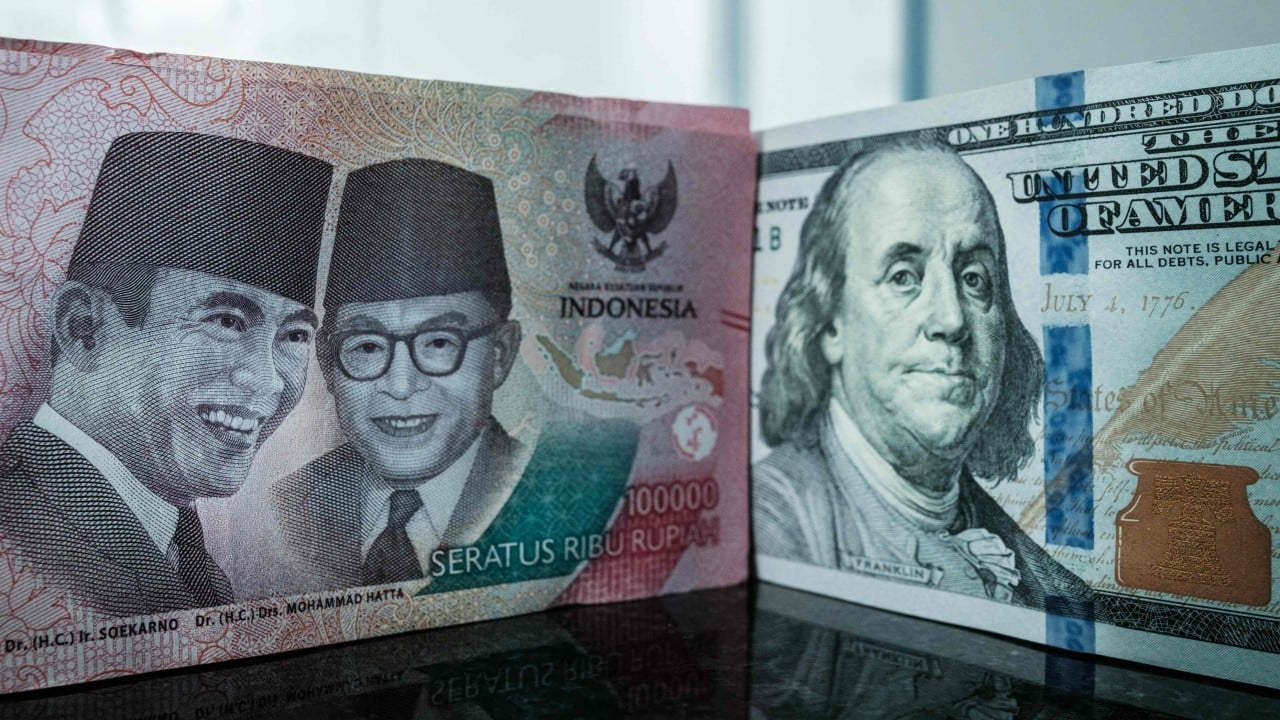
Defending a currency has a steep human cost. When Bank Indonesia shocked the financial markets with an emergency, off-cycle rate hike to 5.50 percent, global investors cheered. The local stock index surged. The currency dragged itself back from a historic low of over 18,100 per US dollar. On paper, it looks like a tactical victory for central bank governor Perry Warjiyo. In reality, it is a direct blow to the millions of citizens who drive the domestic economy.
The rupiah rebound is a temporary shield against global market volatility. It doesn't fix the underlying strain on ordinary citizens. For the Indonesian middle class, this currency defense is transforming into an aggressive financial squeeze. For a different look, see: this related article.
The Reality Behind the Central Bank Quick Fix
Central banking tools are blunt instruments. When the currency began its steep 9 percent slide since the beginning of the year, driven by Middle East tensions and portfolio capital flight, the central bank had to break the speculative momentum. They burned billions in foreign exchange reserves. They raised rates by 50 basis points in May, followed by another surprise 25 basis points in June.
These actions make local assets look attractive to foreign institutional investors. They offer higher yields on rupiah securities. It stops the panic on the foreign exchange trading screens. But what happens when the market dust settles? Related reporting on this trend has been provided by MarketWatch.
The commercial banks don't absorb the cost of higher interest rates. They pass them directly to consumers. Chief economists at major institutions like Bank Central Asia confirm that bank lending rates will adjust upward within a three to six month window. If you hold a floating-rate mortgage or you're planning to buy a car on credit, your monthly repayments are about to rise.
The Dangerous Squeeze on Domestic Consumption
The middle class doesn't qualify for government handouts. They don't get the social safety nets reserved for low-income demographics. Yet, they are expected to carry the economy.
Combined with the aspiring middle class, this group generates more than 81 percent of total household spending in the country. They are the absolute engine of economic growth. Right now, that engine is running on empty.
Consider the timing of this monetary tightening. Just twenty-four hours after the emergency rate adjustment, state oil firm Pertamina pushed up non-subsidized fuel prices. Pertamax gasoline jumped a massive 32 percent to 16,250 rupiah per liter. While the government keeps subsidized Pertalite prices frozen to protect the poorest, the middle class gets hit at the pump.
Transportation costs will swell your household expenditures by an estimated 15 to 20 percent. This isn't just about the cost of driving to work. Higher fuel prices act as a hidden tax on logistics, food distribution, and everyday consumer items. Merchants will proactively hike retail prices to protect their thin profit margins. It creates a stubborn cycle of domestic inflation that eats your purchasing power from both sides.
Why Multi Finance and Small Businesses Face the Brunt
The stress is already visible in the credit data. Rating agencies like Fitch have pointed out that higher fuel prices and rising borrowing costs put intense pressure on multi-finance companies. These are the firms that fund around 70 percent of vehicle purchases across the archipelago.
When discretionary income shrinks because your fuel bill and your mortgage just went up, big-ticket spending stops. Auto sales drop. Credit providers are forced to tighten their underwriting standards, making it even harder for the average consumer to access credit.
The Small Business Breakdown
It gets worse for small and medium enterprises. These business owners often fund operations using personal credit lines or consumer loans.
- Non-performing loans for small businesses rose significantly in the first quarter.
- Production costs are climbing because the weak currency makes imported raw materials expensive.
- Higher borrowing costs reduce investment incentives.
When small businesses stop expanding, hiring freezes follow. The very people who rely on steady employment to stay in the middle class risk slipping down the socioeconomic ladder.
How to Protect Your Finances in a High Rate Environment
Waiting for the central bank to lower interest rates is an exercise in futility. External pressures like global oil prices and international geopolitical conflicts mean high rates will stick around for the foreseeable future. You have to take immediate steps to shield your personal cash flow.
Review your personal debt exposure immediately. Prioritize paying down high-interest consumer debt before the commercial bank interest rate lag catches up with you. If you have a floating-rate mortgage, look into refinancing options or talk to your lender about fixing your rate before the peak of the hiking cycle hits.
Audit your discretionary spending. Treat the 32 percent fuel hike as a permanent change to your budget. Consolidate your trips, use public transit where practical, and cut back on big-ticket commitments that require long-term financing. Building a liquid cash reserve in high-yield domestic deposit accounts is smarter right now than locking money into illiquid investments. The banking sector remains well-capitalized, and strong deposit franchises are offering better returns as they compete for liquidity. Focus on financial survival until the global currency storm passes.