Diplomatic reassurances look great on paper. They make for fantastic headlines and smooth press releases. But when you look at the actual ground reality along the India-Myanmar border, the picture changes completely.
During the recent bilateral summit in New Delhi, Myanmar's military ruler, Min Aung Hlaing, gave fresh assurances to Prime Minister Narendra Modi. He promised that the long-delayed, multi-million-dollar Indian infrastructure projects would get back on track.
It sounds promising. A neighbor caught in a brutal internal conflict promises to protect and revive India’s strategic assets. But let's be real here. Can a military junta that has lost control over more than two-thirds of its own territory actually deliver on this promise?
The short answer is no. Not without a massive shift in how New Delhi plays its cards.
The Billion Dollar Indian Footprint Stuck in Limbo
India's entire "Act East" policy hinges on two massive infrastructure initiatives passing through Myanmar. These aren't just roads and ports. They are India’s alternative routes to bypass the chicken’s neck corridor and establish a direct trade link with Southeast Asia.
- The Kaladan Multi-Modal Transit Transport Project: This project connects Kolkata port with Sittwe port in Rakhine State, Myanmar. From Sittwe, the route goes up the Kaladan River to Paletwa, and then connects by road to Mizoram.
- The India-Myanmar-Thailand Trilateral Highway: A 1,360-kilometer highway designed to connect Moreh in Manipur with Mae Sot in Thailand via Myanmar.
Both projects are hopelessly stuck. The reason isn't a lack of funding or political will from New Delhi. It's the fact that the ground underneath these projects has literally changed hands.
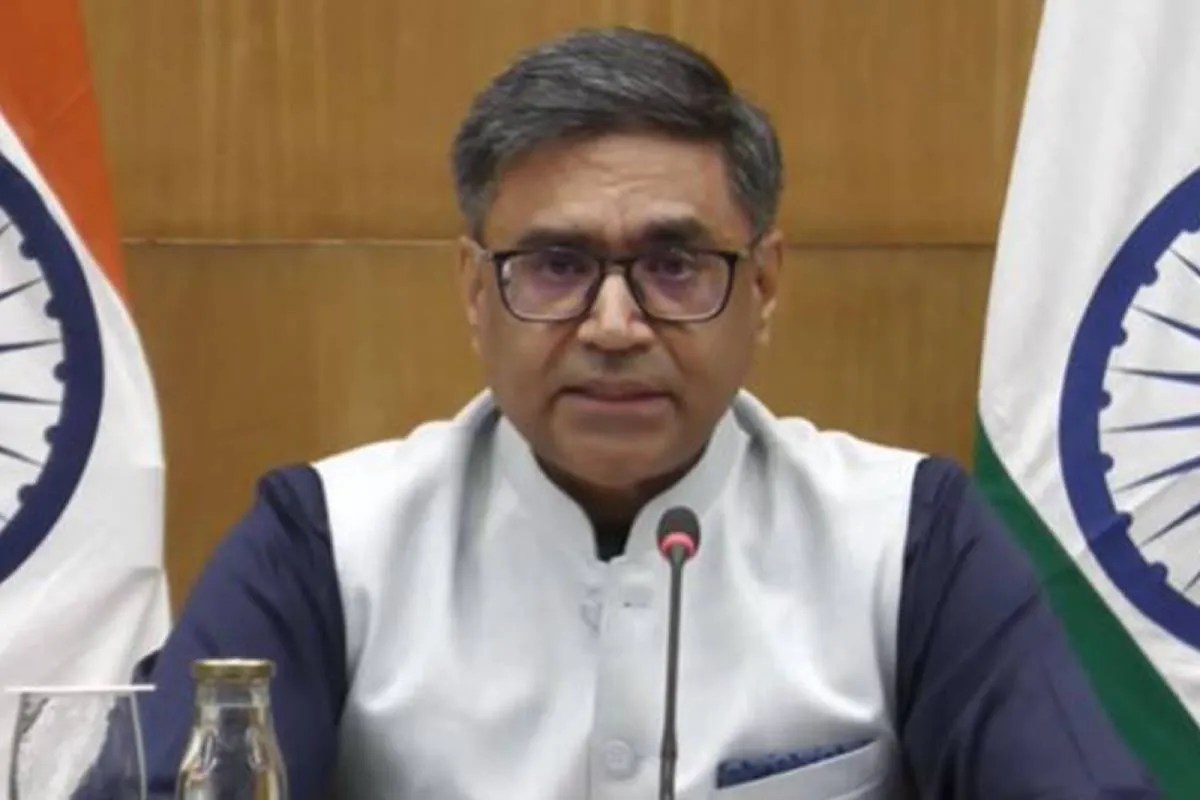
Foreign Secretary Vikram Misri recently acknowledged that security challenges and active fighting have severely disrupted these transport corridors. When the military junta doesn't even control the geography where these roads are being built, its verbal guarantees don't mean much.
The Illusion of Junta Control
To understand why these projects are stalled, you have to look at the map of the Myanmar civil war. Since the 2021 coup, the military junta's grip on the country has steadily collapsed.
In Rakhine State, where the Kaladan project terminates, the Arakan Army (AA) has inflicted crushing defeats on the state military. The junta lost its Western Command headquarters in Rakhine. Essentially, the territory surrounding the critical Sittwe port and the transit routes is heavily dominated or directly controlled by ethnic armed organizations, not the government in Naypyidaw.
Further north, near the Indian border in Chin State and Sagaing region, local People's Defense Forces (PDFs) and ethnic rebel groups control key cross-border trade routes.
When President Min Aung Hlaing promises PM Modi that India's projects will resume, he's promising access to land he no longer governs. It's a diplomatic check that the junta simply cannot cash.
Why India is Changing its Diplomatic Playbook
New Delhi isn't blind to this reality. For a long time, India maintained a strict policy of dealing almost exclusively with the official military regime in Myanmar. The priority was border security and keeping Chinese influence in check.
But things are shifting. India is quietly expanding its outreach.
New Delhi is now actively pushing to bring Myanmar’s military leadership and various ethnic resistance groups onto a common political platform. Indian diplomats are realizing that the only way to safeguard the Kaladan project and the Trilateral Highway is to secure the cooperation of the local stakeholders who actually hold the ground.
If a road runs through territory controlled by an ethnic rebel group, you need to talk to that group. It's that simple. If India wants these transit routes to survive, it has to engage in a delicate balancing act—maintaining formal ties with the junta while opening reliable channels with the resistance.
Beyond Infrastructure: The Rupee-Kyat Trade Buffer
While the heavy construction projects are paralyzed by gunfire and airstrikes, bilateral relations aren't completely dead. There is a parallel economic track where things are moving.
India and Myanmar have been pushing the rupee-kyat settlement mechanism for bilateral trade, which became operational in May 2024. According to recent joint statements, transaction volumes under this arrangement are seeing steady growth.
This mechanism allows the two nations to bypass the US dollar for border trade, specifically in crucial sectors like agro-processing, petroleum, and energy. For the cash-strapped Myanmar junta, facing heavy Western sanctions, this trade mechanism is a vital economic lifeline. For India, it keeps border trade flowing and protects northeastern businesses that rely on imports from Myanmar.
But don't confuse trade volume with strategic success. Selling pulses and oil across a volatile border using local currency is a stopgap measure. It doesn't build a highway to Thailand.
What Happens Next
If you are tracking India's strategic interests in Southeast Asia, don't hold your breath waiting for a grand reopening of the Kaladan corridor anytime soon. Reassurances from a besieged military regime won't restart bulldozers in active war zones.
Here is what needs to happen next for these projects to actually see completion:
- Local Level Security Pacts: Indian agencies will have to negotiate localized security understandings with ethnic armed groups controlling the specific project zones.
- A Shift in Diplomacy: New Delhi must step up its role as a mediator, using its leverage to push for national reconciliation and an inclusive political framework inside Myanmar.
- Securing the Northeast Border: India must tighten its own border security in Manipur and Mizoram to prevent the fallout of the civil war—such as weapon smuggling and refugee influxes—from destabilizing its own soil while infrastructure remains stalled.
The diplomatic talk in New Delhi was necessary, but the real work remains on the ground, deep inside a conflict that shows no signs of ending.