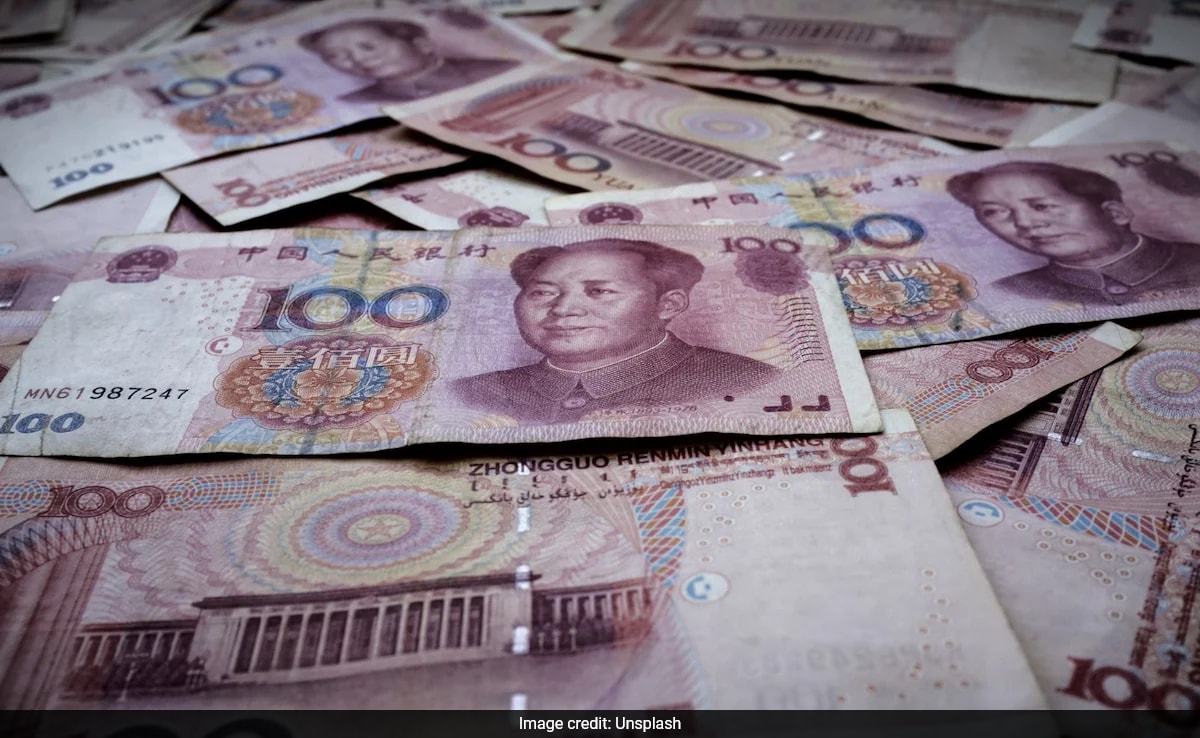
India just broke a seven-year drought on Iranian oil, and the way they're paying for it is making waves from Mumbai to Washington. For the first time since 2019, state-run and private Indian refiners have taken delivery of Iranian crude. But instead of the usual greenback, they're settling the bill in Chinese yuan.
If you're wondering why a country that's currently in a cold standoff with Beijing over a border dispute is suddenly using its rival's currency, you aren't alone. It looks like a contradiction, but in the gritty world of global energy security, pragmatism always beats pride. The Indian government says there's "nothing wrong" with the move. Honestly, they don't have much of a choice.
The ICICI Shanghai Connection
This isn't just a theoretical shift. It’s happening through concrete banking channels. Indian Oil Corp (IOC) and Reliance Industries have been using the Shanghai branch of ICICI Bank to route these yuan payments.
Earlier this month, the VLCC Jaya—a massive tanker carrying about 2 million barrels—berthed at an Indian port. That single cargo was worth roughly $200 million. IOC reportedly paid about 95% of that value against a "notice of readiness." That's a fancy way of saying they sent the money as soon as the ship hit Indian waters. Usually, state refiners wait for the oil to actually discharge before opening the checkbook. The fact that they're paying upfront suggests how desperate the supply situation has become in 2026.
Why the Yuan and Not the Rupee
You’d think the Indian Rupee (INR) would be the first choice. India has tried the "Rupee-Rial" mechanism before, but it’s a logistical nightmare. Iran doesn't buy enough from India to make holding mountains of rupees useful. They end up with "trapped" currency that they can't spend anywhere else.
The yuan is different. It’s liquid. It’s part of the IMF’s Special Drawing Rights basket. Most importantly, Iran can actually use it to buy almost anything they need from China. For Indian refiners, using the yuan is a path of least resistance. They’ve already practiced this with Russian oil over the last few years.
- Currency Liquidity: Iran can actually spend yuan.
- Infrastructure: Banks like ICICI already have the Shanghai plumbing ready.
- Sanctions Evasion: Since these transactions don't touch the US financial system (CHIPS), they're harder for Washington to block instantly.
The Tightrope of US Sanctions
We're currently in a weird "waiver window." The US issued temporary sanctions waivers that allowed these rare shipments, but those are set to expire this Sunday. Treasury Secretary Scott Bessent has already hinted that a renewal isn't coming.
This creates a massive "beat the clock" scenario for Indian procurement teams. They're grabbing what they can while the window is cracked open. But why take the risk? Because the 2026 energy market is a mess. Middle Eastern supplies have tightened, and freight costs are through the roof. Iranian oil, often sold at a steep discount with flexible terms, is just too tempting to pass up when your domestic inflation is screaming.
Geopolitics vs Energy Math
It’s easy to criticize New Delhi for strengthening the yuan's global footprint. Every time an Indian company uses yuan, it chips away at the dollar's "exorbitant privilege" and gives Beijing a win. But look at it from the perspective of an Indian refiner.
The rupee has been taking a beating, hitting lows near ₹94 against the dollar. If you pay in dollars, you're hit twice: once by the rising price of crude and again by the falling value of your own currency. Moving to a bilateral or alternative currency settlement saves roughly 5-6% in conversion costs alone. When you’re dealing with $200 million cargoes, that’s $12 million saved on a single ship. That's not just a "neat trick"—it's the difference between a profitable quarter and a disaster.
Is This the End of Dollar Dominance
Don't bet on it just yet. While India is "experimenting" with local currencies for about 80% of its oil imports—including deals with Russia and the UAE—the dollar is still the king of the mountain. These yuan payments for Iranian oil are opportunistic. They are a response to a specific crisis, not a total divorce from Western finance.
Refiners are being cautious. IOC has already signaled it doesn't plan more Iranian purchases immediately after this batch. The risk of secondary sanctions under a potential Trump-era tariff threat is keeping everyone on edge. India isn't trying to start a currency revolution; it's trying to keep the lights on without going broke.
If you're tracking these trades, watch the port data for tankers like the MT Felicity or the Jordan. If those ships keep showing up after the Sunday waiver deadline, you’ll know the "experiment" has turned into a permanent strategy. For now, it’s a high-stakes game of financial engineering.
Practical Next Steps for Energy Analysts
- Monitor ICICI Shanghai Activity: Watch for increased capital flow through Indian private banks in offshore Chinese hubs.
- Track the "Notice of Readiness" Payments: If upfront payments become the new standard, it signals a permanent shift in risk appetite for sanctioned crude.
- Watch the Sunday Deadline: If the US doesn't blink on the waiver, expect a sudden dry-up of these yuan-denominated "rare" cargoes by next week.