The air in mid-July does not just sit; it weighs. It wraps around you like a wet wool blanket the second you step off the subway or out of an air-conditioned office. For anyone who has spent an hour wrestling a blow-dryer into submission, that first step into the summer soup is not just a change in temperature. It is a immediate, visible defeat.
Within ninety seconds, the sleek, polished canvas you painstakingly created begins to warp. Strands expand. Ends fray. A halo of static electricity forms, transforming deliberate styling into accidental chaos. It feels personal, like a betrayal by your own anatomy. But the swelling of hair in high humidity is not a personal failing. It is a biological certainty, a microscopic drama playing out on a grand scale across millions of scalps every single summer. You might also find this connected story useful: Why Extreme Luxury Bikes Cost More Than Your Car.
To understand why this happens, we have to look at the invisible architecture of a single strand. Hair is largely made of keratin proteins, held together by different types of chemical bonds. Some are tough, like disulfide bonds, which give hair its permanent shape. Others are fragile, like hydrogen bonds, which break every time your hair gets wet and reform when it dries. When the atmosphere becomes saturated with water vapor, those weak hydrogen bonds break all over again. The hair shaft absorbs the ambient moisture, swells, and reverts to its natural, chaotic state.
It is a relentless cycle. Yet, for decades, the beauty industry sold a flawed narrative: just slap some heavy silicone oil on top and hope for the best. As reported in latest coverage by ELLE, the effects are worth noting.
We got it wrong. Coating the problem only weighs it down, turning a frizzy situation into a greasy one. True protection requires a deeper understanding of porosity, weather, and the precise chemistry of sealing the cuticle without suffocating the strand.
To find out how to actually survive the swelter, we have to slip past the reception desks of the country’s most exclusive salons and talk to the people who handle this crisis daily. These are the top hairstylists who look at hair not as a superficial accessory, but as a living, reacting fabric.
The Secret Anatomy of the Summer Swell
Consider a hypothetical client named Sarah. It is 8:45 AM on a Thursday in August. Sarah has a presentation at nine. She spent thirty minutes using a flat iron this morning, sealing every section with meticulous care. By the time she walks from the train to her office building, her hair has doubled in volume. It feels coarse, unruly, and utterly detached from the professional image she wants to project.
Sarah’s frustration is rooted in a fundamental misunderstanding of hair porosity.
When hair is dry or damaged—whether from coloring, heat styling, or just natural texture—the outer layer, called the cuticle, looks like rough shingles on a roof. These raised shingles allow environmental moisture to flood the inner core of the strand. Stylists who work in high-humidity zones, from the coast of Miami to the humid streets of New York, know that the key to stopping this moisture invasion is not heavy grease. It is about creating a weightless, hydrophobic barrier while the hair is still wet.
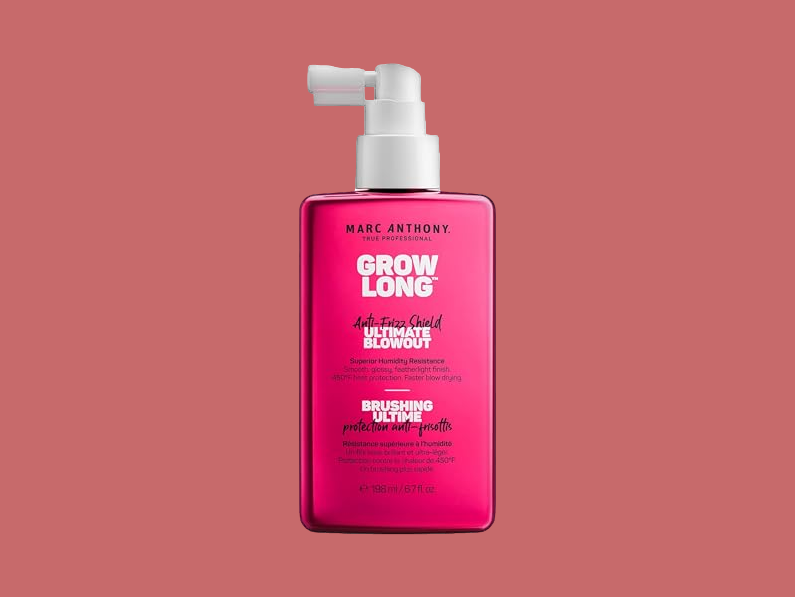
The modern arsenal against frizz does not rely on the thick, sticky serums of the late nineties. Instead, today's top editorial stylists point toward advanced polymers that activate under heat. When sprayed onto damp hair and blown dry, these polymers cross-link to form an invisible, microscopic shield. It behaves almost like a raincoat for each individual strand, repelling water vapor while leaving the hair feeling entirely weightless.
But what happens when you do not want to blow-dry your hair every single day of the summer? What about the days when the heat is so oppressive that turning on a hot tool feels like a form of punishment?
The Shift to Molecular Moisture
For those who embrace their natural texture, waves, or curls during the warmer months, the strategy must pivot entirely. You cannot simply coat the hair; you must fill it.
When a strand of hair is fully saturated with the right kind of internal moisture, it loses its appetite for the humidity in the air. Think of a dry sponge thrown into a puddle—it absorbs everything instantly. Now think of a sponge that is already damp and full—it can barely hold another drop.
This is where lightweight leave-in conditioners and specialized milk formulas come into play. Stylists recommend looking for formulas rich in amino acids and humectants that penetrate deep into the cortex rather than sitting on the surface. By filling the porous gaps inside the hair shaft with targeted hydration while it is wet, you effectively close the door on the heavy, damp summer air.
The application method matters just as much as the product itself. Many people make the mistake of misting product casually over the top layer of their hair. The under-layers, right at the nape of the neck, are left completely bare. This area is a prime target for sweat and friction, meaning the frizz starts from the inside out. True protection requires sectioning the hair and distributing the product evenly from root to tip using a wide-tooth comb or your fingers.
Changing the Ritual
The real secret to managing hair in the summer is not found in a single miracle bottle. It is found in changing the entire ritual of how we treat our hair from the moment we step into the shower.
It begins with the water temperature. A steaming hot shower might feel relaxing, but it forces the hair cuticle wide open, inviting damage before you even step out onto the bath mat. Washing with lukewarm water, followed by a cool rinse, helps lay the cuticle flat from the start.
Next comes the drying process. Rubbing a rough terry-cloth towel back and forth across wet hair creates microscopic tears in the cuticle layer. It creates the very friction we are trying to avoid. Swapping that traditional towel for a smooth microfiber wrapper or even an old cotton t-shirt can drastically reduce the initial texture disruption.
As the heat intensifies this year, the goal should not be an impossible standard of stiff, unmoving perfection. Hair is meant to move, to react, and to possess life. The best anti-frizz strategies do not fight against nature; they negotiate a peace treaty with it. By understanding the science of the strand and using formulas that protect rather than smother, you can step out into the thickest summer morning knowing your style will remain exactly as you intended.
The heat will still be there. The moisture in the air will still hang heavy. But the invisible trap of the summer swell will no longer have power over your day.