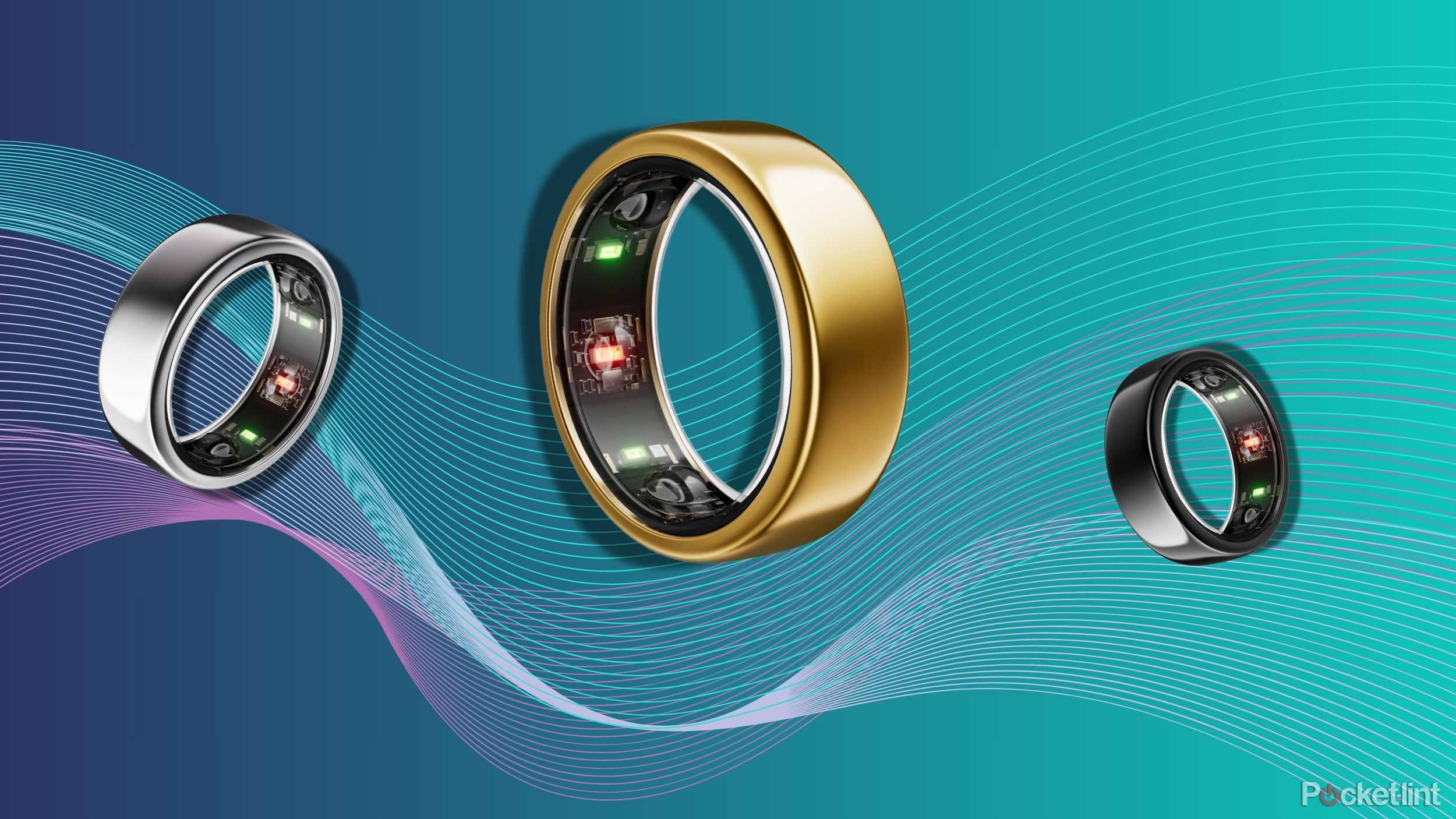
So, you’re thinking about joining the "smart ring" club. I get it. Seeing that sleek band on someone’s finger while they explain their "Readiness Score" is a vibe. But let’s be real: the biggest hurdle isn't whether it looks cool—it's the price tag. When people ask how much does the Oura Ring cost, they usually expect a single number.
I wish it were that simple.
Honestly, buying an Oura Ring is a bit like buying a car. You’ve got the base model, the "trim" levels that change the price based on looks, and then—the part everyone hates—the recurring costs. If you’re looking to pick one up in 2026, here is the raw breakdown of what’s going to leave your bank account.
The Entry Point: Oura Ring 4 Pricing
The newest kid on the block is the Oura Ring 4. It launched with a focus on "Smart Sensing," basically a fancy way of saying they tucked the sensors away so they don't poke your finger anymore.
If you want the most basic version, you’re looking at $349.
That $349 gets you the "base" finishes: Black or Silver. They’re classic, they’re titanium, and they do exactly the same thing as the more expensive ones. But Oura knows we’re suckers for aesthetics. If you want a different look, the price climbs fast:
- Brushed Silver or Stealth (Matte Black): Expect to pay $399.
- Gold or Rose Gold: These jump to $499.
- Oura Ring 4 Ceramic: This is the new premium line. It comes in colors like "Petal" (pinkish) or "Tide" (teal) and will set you back $499.
It's a lot for a ring. I know. For context, that’s more than a base-model Apple Watch and roughly the same as a high-end Garmin. You aren't just paying for a piece of jewelry; you're paying for the miniaturized lab inside it.
The Legacy Option: Is the Gen 3 Still a Thing?
You might still see the Oura Ring Generation 3 floating around on Amazon, Best Buy, or even Target. Since the Gen 4 is the flagship now, you can often find the Gen 3 for a steal.
Back in the day, these started at $299. Now? You can often snag a Gen 3 for **$249** or less, especially during sales.
Wait. Is it worth it?
The Gen 3 is still a great tracker, but it has those "bumps" on the inside—the three sensors that stick out. Some people don't mind them; others find them annoying after 24 hours of wear. Also, Oura is moving its focus to the Gen 4, so while the Gen 3 still works perfectly fine, it’s basically the "iPhone 13" of the ring world right now. Great, but not the future.
The "Hidden" Cost: The Oura Membership
This is the part that catches most people off guard. You buy the ring, you’re stoked, you set it up... and then you realize you’re not done paying.
To see anything beyond basic scores, you need an Oura Membership.
Without the subscription, the app is basically a paperweight. It’ll give you three simple scores: Sleep, Readiness, and Activity. That’s it. No trends, no heart rate data, no period tracking, and no stress insights.
The subscription cost in 2026:
- Monthly: $5.99
- Annual: $69.99
Basically, you’re adding about $70 a year to the "true" cost of ownership. Over three years, a $349 ring actually costs you about $560. It’s a bitter pill to swallow, especially when competitors like the Samsung Galaxy Ring ($399) or RingConn don't charge a monthly fee.
Does Insurance or FSA/HSA Cover It?
Here is a little pro tip that most people overlook: The Oura Ring is FSA and HSA eligible.
This is a game-changer. Since it’s technically a "diagnostic" health device, you can use your pre-tax dollars to buy the ring and even pay for the membership. If you have an HSA/FSA card, you can usually just use it at checkout on Oura’s website. If not, you can buy it with a normal card and submit the receipt for reimbursement.
Think about it—if you’re in a 25% tax bracket, using an HSA basically gives you a 25% discount on the whole thing. That makes the $349 price tag feel more like $260.
Let's Talk About Comparisons
If you’re sweating the $349+ price, you’ve gotta look at the field.
The Samsung Galaxy Ring sits at $399 with no subscription. It’s a higher upfront cost but cheaper after about nine months of ownership.
Then there's the Ultrahuman Ring Air, which usually hovers around $299 to $349 and also skips the monthly fee.
Oura is betting that their data is "better" enough to justify the monthly tax. And to be fair, most experts (and my own testing) suggest Oura’s sleep tracking is still the gold standard. But $6 a month forever? That’s a choice you have to make.
What Happens if You Hate It?
Returns are a bit of a process. If you buy directly from Oura, you have 30 days to return it for a refund.
But be careful: they only allow one exchange. If you get the size wrong, they'll swap it. But if you swap the size and still don't like it? You’re stuck.
Also, if you bought it at a retailer like Best Buy, you have to follow their return window—which is often only 14 or 15 days. Don’t sleep on that deadline.
Making the Decision
If you’re serious about tracking your health, the how much does the Oura Ring cost question is really about value, not just the price.
$349 for the ring plus $70 a year for the data.
It’s expensive. It’s a luxury. But if it helps you realize that your 10:00 PM glass of wine is the reason you feel like trash every morning, maybe it pays for itself in better health.
If you want to save some cash, definitely look at the Black or Silver finishes—there's no reason to pay $150 extra for Gold unless you really need it to match your wedding band. And seriously, check your HSA balance. Using those "use it or lose it" funds at the end of the year is the smartest way to buy this thing.
Before you pull the trigger, I’d suggest grabbing the Sizing Kit first. Oura sizes are not the same as standard jewelry sizes, and a ring that’s too loose is just a very expensive, non-functional piece of metal. You can usually get the kit for free (or for $10 that gets credited back) when you start the purchase process online.