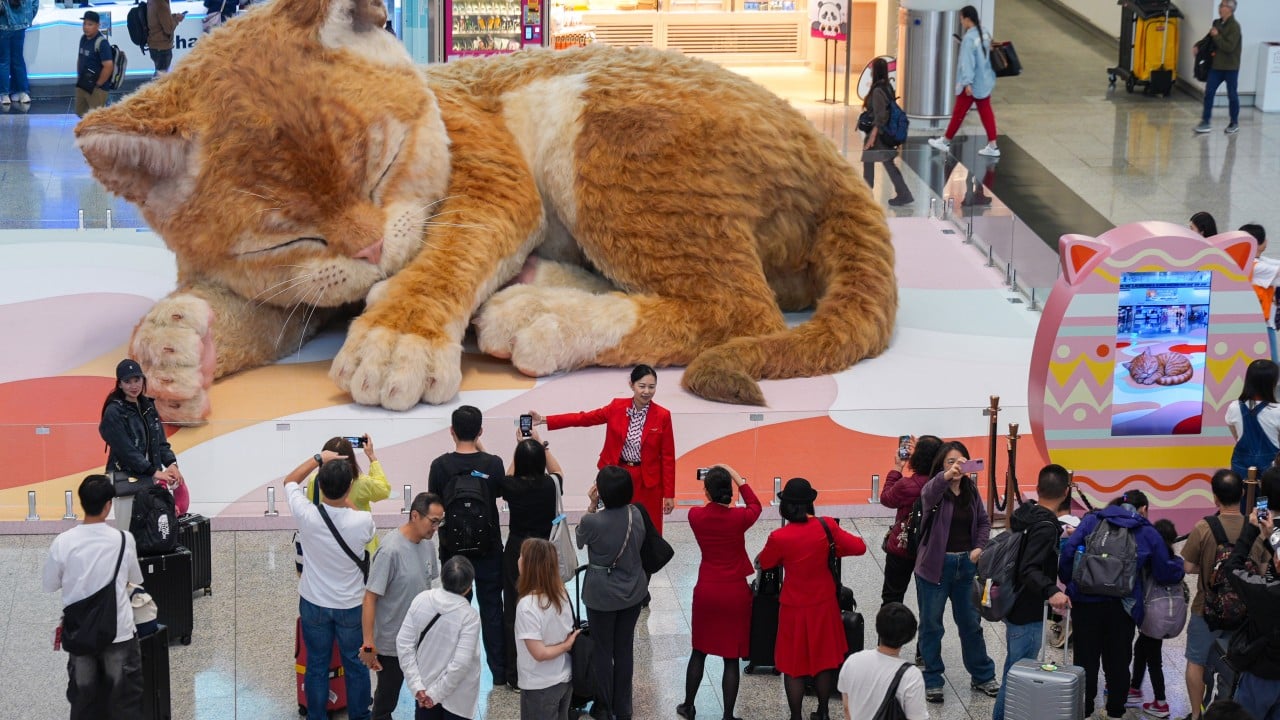
The Easter Bunny is losing its grip on Hong Kong. While the rest of the world sticks to chocolate eggs and long-eared mascots, this city has pivoted toward a feline-centric holiday narrative that is more about cold-blooded commerce than religious tradition. Walk through the high-traffic districts of Tsim Sha Tsui or Causeway Bay during the spring break, and the shift is undeniable. The traditional symbols of the season have been sidelined by a massive, high-stakes investment in cat culture that spans from luxury retail to urban architecture.
This isn't a fluke of seasonal marketing. It is a calculated response to a demographic reality that traditional western holidays fail to address in the East Asian context. Hong Kong is one of the most densely populated places on earth, with skyrocketing property prices and dwindling living spaces. In this environment, the cat has become the ultimate lifestyle companion and, by extension, a powerful economic engine.
The Business of Feline Gravitas
The rise of the "cat economy" during the spring holidays is driven by a sophisticated understanding of consumer psychology. For a significant portion of the local population, the traditional Easter narrative holds little cultural weight. However, the desire for "healing" (iyashi) and stress relief is at an all-time high. Retailers have noticed. Instead of stocking shelves with generic seasonal candy, major malls are commissioning multi-story feline art installations and hosting "cat-centric" markets that draw tens of thousands of visitors.
The numbers behind this shift are staggering. Local pet ownership has surged, but the "non-owner" segment of the market is where the real growth lies. These are consumers who cannot keep pets due to strict housing regulations or long work hours but are willing to spend significant disposable income on feline-themed experiences, merchandise, and cafes. During the recent holiday stretch, foot traffic at cat-themed pop-up events outpaced traditional festive displays by nearly three-to-one in certain commercial hubs.
This is a structural change in how the city consumes "cute." We are seeing a move away from the temporary, disposable nature of holiday trinkets toward a permanent, brand-driven obsession with the feline form. It is a more stable revenue stream for landlords who are desperate to fill the void left by a shifting tourism sector.
Architecture and the Urban Cat
The most visible manifestation of this trend is the "Big Cat" phenomenon in the city's skyline. Gigantic 3D billboards and massive physical sculptures of cats have taken over prominent facades. This isn't just about decoration; it’s about "placemaking." By installing these feline landmarks, developers are creating destination-based retail environments that force foot traffic into specific zones.
Critics might argue that this is a shallow homogenization of the city's culture, replacing unique local heritage with a generic, Instagram-friendly aesthetic. There is some truth to that. When every mall looks like a shrine to a tabby, the individual character of neighborhoods begins to erode. Yet, from a purely analytical standpoint, the strategy works. These installations provide a social currency that traditional holiday decorations simply cannot match. A photo with a 15-foot cat is worth more in the digital economy than a photo with a generic rabbit.
The Loneliness Factor and Feline Proxy
Underneath the bright lights and the "kawaii" exterior lies a darker sociological driver. Hong Kong is facing a loneliness epidemic. With birth rates plummeting and more people choosing to live alone or in small, isolated units, the cat has become a proxy for family and companionship.
The spring holiday, which often emphasizes family gatherings, can be a period of intense social pressure. The "cat-ification" of the holiday provides an alternative. It offers a low-pressure way to engage with the public space. You don't need a large family to enjoy a cat cafe or a feline art gallery. This demographic shift is permanent, and the market is merely catching up to the reality that the nuclear family is no longer the primary unit of consumption in the city.
The Myth of the Low Maintenance Pet
A dangerous misconception fueled by this trend is that cats are "low-maintenance" alternatives for busy urbanites. This narrative is pushed heavily by the industry to lower the barrier to entry for new owners and consumers. In reality, the surge in cat popularity has led to a hidden crisis in animal welfare.
Local shelters report a spike in abandoned animals shortly after major holiday surges. People buy into the aesthetic of the "apartment cat" without understanding the biological needs of the animal. The "cat economy" benefits from the image of the feline, but it often ignores the reality of the creature. This disconnect between the commercialized "star" cat and the living animal is a gap that the city's regulatory framework has yet to bridge.
Supply Chains and the Feline Premium
Everything associated with cats in Hong Kong carries a premium. From specialty "cat-safe" holiday treats to designer furniture that fits into a 300-square-foot apartment, the margins are enormous. This isn't just retail; it’s a specialized supply chain that has become incredibly resilient.
While traditional retail sectors struggle with fluctuating demand, the pet and pet-adjacent sectors remain remarkably stable. Investors are moving capital away from traditional luxury goods—which are sensitive to geopolitical shifts—and into the "pet-humanization" sector. If you can't afford a new Rolex, you can certainly afford a $500 designer cat tree or a high-end grooming session for your pet during the long weekend. It is a form of "affordable luxury" that keeps the wheels of the local economy turning when other sectors stall.
Counter-Arguments to the Trend
Not everyone is onboard with the feline takeover. There is a growing vocal minority that views the obsession as a symptom of a city that has lost its way. They argue that the focus on "cute" distractions prevents the public from engaging with more pressing social and political issues.
Furthermore, the environmental impact of this trend is rarely discussed. The production of massive plastic sculptures, the carbon footprint of imported "gourmet" pet food, and the waste generated by cat-themed pop-up markets are significant. As the city moves toward stricter waste charging and sustainability goals, the "disposable" nature of these feline-themed events will face increasing scrutiny.
The Future of the Feline Monopoly
The Easter Bunny won't be making a comeback in Hong Kong anytime soon. The feline monopoly on the spring holiday is a result of deep-seated economic, demographic, and psychological factors that are unique to this high-density urban environment.
We are watching the birth of a new kind of civic mythology. It is a mythology where the cat is not just a pet, but a symbol of urban survival, a tool for retail revitalisation, and a companion in an increasingly isolated world. The "cat economy" is no longer a niche market; it is a core pillar of the city's identity.
To understand the future of Hong Kong's retail and social landscape, one must look beyond the traditional festivals. The real action is happening in the cat cafes, the 3D billboards, and the hearts of millions of residents who have traded the rabbit for the cat. This isn't a temporary trend. It is the new baseline for how a modern, crowded, and weary city celebrates.
The transition from religious or traditional holidays to animal-centric commercial events is a blueprint for other mega-cities facing similar demographic crunches. Expect to see this model exported to Tokyo, Seoul, and Singapore as they grapple with the same pressures of space, loneliness, and the need for a new kind of "healing" commerce. The cat isn't just moving over; it has already taken the throne.
The real test for the city will be whether it can move beyond the superficial "cute" and address the underlying social issues that made the cat so necessary in the first place. Until then, the feline will remain the undisputed star of the Hong Kong holiday season, a furry sentinel standing guard over a changing urban reality.
Stop looking for the eggs. The cats have already hidden them.