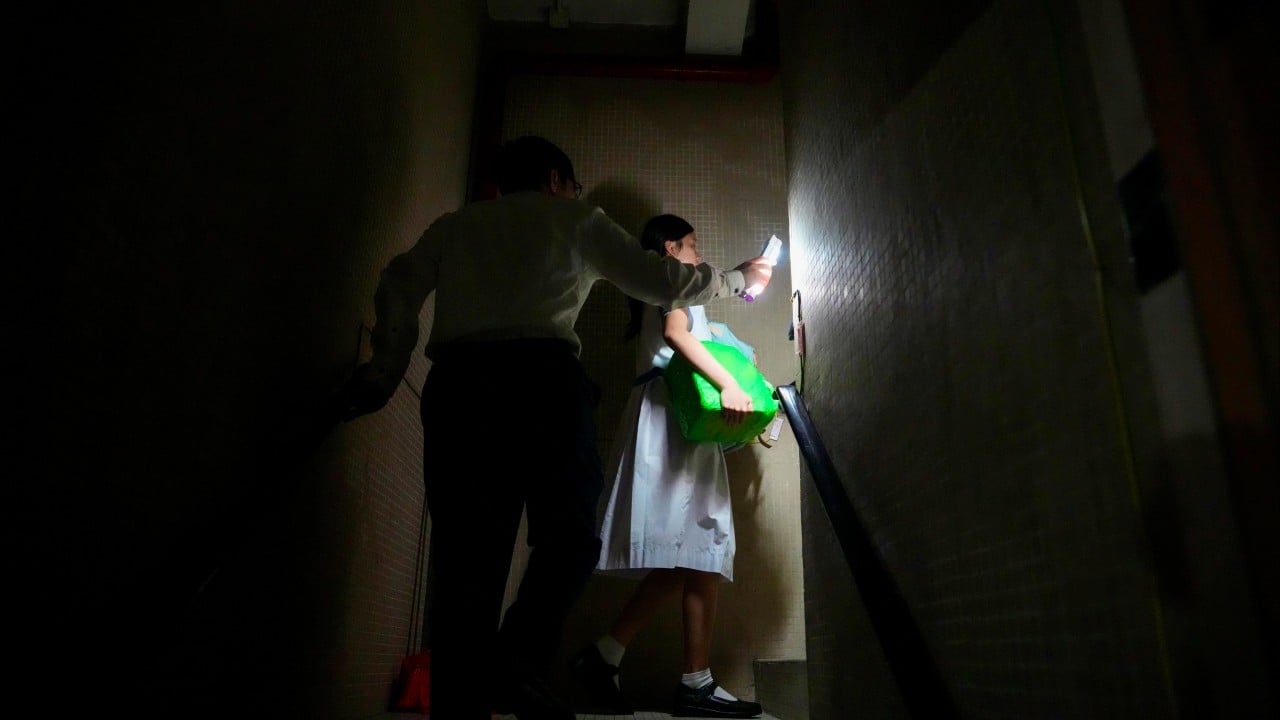
Imagine stepping into an elevator on the 20th floor, only for the lights to flicker and die. The car jerks to a halt. Outside your window, a massive power outage has just swallowed the grid, plunging a massive residential complex into total silence. For over 3,000 residents, this nightmare became a reality, turning modern high-rise living into an immediate survival challenge for a full 24 hours.
When the grid goes down in a vertical community, you don't just lose your television and air conditioning. You lose your water. You lose your mobility. The interconnected nature of modern building engineering means that a single electrical failure triggers a domino effect, knocking out vital infrastructure.
Understanding why these systems fail simultaneously is crucial for anyone living above the fourth floor. It helps you prepare for the next inevitable grid failure.
The Hidden Connection Between Electricity and Your Tap Water
Most people assume water pressure is purely a function of municipal supply. That's true for a single-family home, but completely false for a high-rise tower. City water mains generally only provide enough natural pressure to push water up to the third or fourth floor.
To get water to the penthouse, buildings rely on sophisticated booster pump systems. These pumps run entirely on electricity. When a power outage strikes, the pumps stop instantly.
[City Main Water] -> [Electric Booster Pumps] -> [Upper Floors]
                           |
                     (Power Fails)
                           |
                [Water Supply Stops]
Some buildings utilize gravity-fed systems with massive storage tanks on the roof. While these tanks provide a temporary buffer during a blackout, they have strict limitations.
- Limited Capacity: Roof tanks typically hold only a few hours of water for the entire building.
- Rapid Depletion: Panic storage happens. Residents fill tubs and buckets, draining the reserve tank in record time.
- Refill Failure: Once the tank empties, the electric pumps can't refill it, leaving upper floors completely dry.
Without electricity, the upper levels of a tower lose water pressure within minutes of a blackout, creating immediate sanitation and hydration issues for thousands of residents.
Why Backup Generators Regularly Fail to Save the Day
When a major blackout hits a massive residential complex, people naturally wonder why the backup generators didn't keep things running. The reality of building management is that emergency power systems are rarely designed to maintain normal life. They are built for bare-minimum survival.
According to standard building codes, emergency generators are only required to power life-safety systems. This includes emergency stairwell lighting, fire alarms, and fire suppression pumps.
Comfort utilities are almost always excluded from basic emergency circuits.
- Elevator Restrictions: Generators rarely have the capacity to run all elevators simultaneously. Usually, the system isolates power to just one elevator car per tower, operating at a drastically reduced speed.
- Pump Exclusion: High-powered water booster pumps require massive amounts of electrical current to start up. Tying them to an emergency generator requires an oversized, expensive power plant that most developers refuse to fund.
- Maintenance Neglect: Even when generators are wired to critical systems, they frequently fail due to old fuel, dead starter batteries, or skipped monthly load-bank testing.
When 3,000 residents are trapped without elevators or running water for 24 hours, it's usually because the building's backup plan was only designed to keep them from burning, not to keep them comfortable.
Vertical Isolation and the Logistics of a 24 Hour Blackout
Living through a prolonged outage in a single-family home means sitting in the dark. In a high-rise, it means total isolation. The physical reality of climbing 20 or 30 flights of dark stairs changes the dynamics of an emergency entirely.
For elderly residents, parents with young children, or anyone with mobility issues, a broken elevator turns an apartment into a prison cell. Carrying gallons of water up dozens of flights of stairs is physically impossible for a significant portion of any high-rise population.
This vertical isolation quickly strains local emergency services. Fire departments find themselves overwhelmed not by fires, but by calls for medical evacuations and welfare checks. When thousands of people lose utility access at the exact same moment, community self-reliance becomes the only immediate solution.
Practical Steps to Survive a High Rise Infrastructure Collapse
You can't control the city power grid, and you certainly can't control your building's maintenance budget. You can, however, control your own apartment's readiness. High-rise preparedness requires a completely different strategy than suburban prepping.
Stash Water Low and Early
The moment the power flickers, fill your bathtub and any available containers immediately. Do not wait to see if the power comes back on in ten minutes. Once the booster pumps lose pressure, the remaining water in the pipes drains out rapidly. Use the bathtub water exclusively for flushing toilets, and keep dedicated, sealed gallons for drinking.
Invest in High-Quality Mechanical Filtration
If your building uses a roof tank, the last remaining gallons that trickle down during an outage are often filled with sediment from the bottom of the reservoir. Keep a gravity-fed water filter handy so you can safely utilize the final drops of building water without consuming rust or biofilm.
Map the Emergency Stairs Before It Gets Dark
Count the doors between your apartment and the nearest emergency exit stairwell. In a pitch-black corridor filled with smoke or dust, your eyes won't help you. You need to know the exact physical layout. Keep a reliable, battery-powered flashlight or headlamp mounted right next to your front door at all times. Never rely on your smartphone flashlight, as you must conserve that battery for vital emergency communication.