Cuba is currently enduring its most severe energy failure since the collapse of the Soviet Union. As the national power grid teeters on the brink of permanent instability, Russia has stepped in with a public pledge to maintain a steady flow of crude oil and fuel products to Havana. This is not a gesture of charity. While official state media paints the agreement as a renewal of "brotherly ties," the reality is a cold, calculated geopolitical transaction. Moscow is trading its surplus energy for a strategic foothold 90 miles from the American coast, even as both nations face crippling international sanctions that complicate every barrel shipped.
The math of the Cuban energy crisis is brutal. The island requires roughly 8 million tons of fuel annually to keep its lights on and its industrial base functioning. Domestically, it produces less than half of that, and the local crude is "heavy"—thick with sulfur and difficult to refine without specialized equipment that is currently falling apart. For years, Venezuela filled the gap. But as Caracas struggled with its own economic implosion, the shipments slowed to a trickle. This left a vacuum that Vladimir Putin is now filling, but the logistics of this "lifeline" are fraught with risks that the Kremlin rarely mentions in its press releases.
Russian Crude and the Logic of Necessity
Moscow’s decision to reroute tankers to the Caribbean isn't just about helping an old ally. It is about finding a home for "homeless" oil. Following the invasion of Ukraine and the subsequent Western price caps, Russia has been forced to seek out buyers who are either indifferent to sanctions or desperate enough to ignore them. Cuba is both.
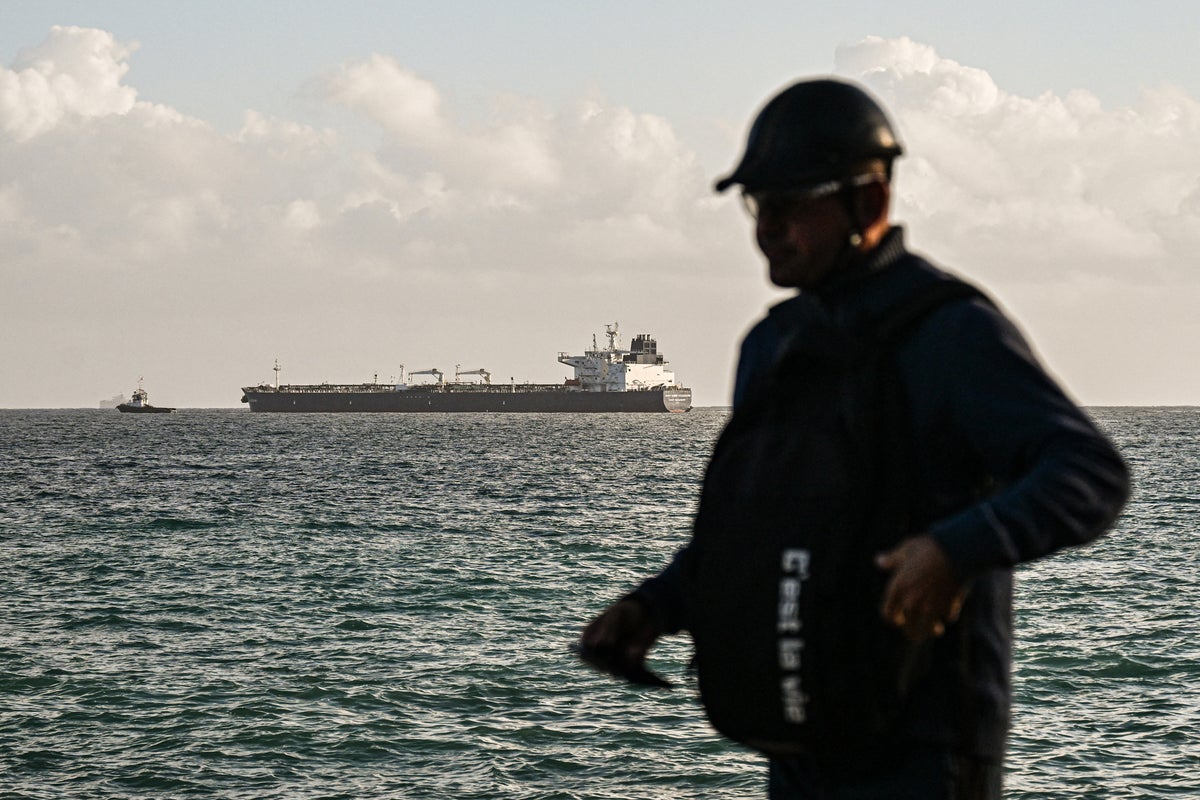
The ships currently making the trek from the Baltic and Black Seas are often part of the so-called "shadow fleet." These are older vessels, frequently operating with obscured ownership and questionable insurance. When a tanker arrives at the Port of Matanzas, it isn't just delivering fuel; it is delivering a temporary reprieve for a Cuban government that has seen nationwide protests erupt over 18-hour daily blackouts.
However, Russian oil is not a magic fix for a broken grid. Cuba’s thermoelectric plants are ancient. Most were built with Soviet technology in the 1970s and 1980s and have exceeded their operational lifespan by decades. Burning heavy Russian or Cuban crude in these sensitive boilers causes rapid degradation. It is like running a marathon runner on a diet of cheap corn syrup; they might keep moving for a while, but the internal damage is cumulative and eventually fatal.
The Financial Smoke and Mirrors
How does a bankrupt nation like Cuba pay for millions of barrels of oil? The short answer is: it doesn't. Not in cash.
The financial structure of these deals is intentionally opaque. Investigation into the bilateral trade agreements suggests a mix of long-term debt restructuring and "barter-plus" arrangements. Cuba has historically paid Russia through a variety of non-monetary means:
- Agricultural exports (primarily sugar and rum).
- Medical personnel and biotechnology services.
- Geopolitical access, including the modernization of signals intelligence facilities.
By "forgiving" 90% of Cuba’s Soviet-era debt in 2014, Russia cleared the ledger to begin a new cycle of lending. Today, the oil shipments are essentially high-interest loans disguised as trade. Moscow knows it may never see the literal rubles for these barrels, but the value of having a permanent naval presence and intelligence-gathering capability in the Western Hemisphere is worth more to the Kremlin than the spot price of Urals crude.
The Problem of Refinement
Even when the oil arrives, the Cuban government faces a secondary crisis: refining capacity. The Cienfuegos refinery, once a crown jewel of Petrocaribe, is operating well below its peak. Without the spare parts—often blocked by the U.S. embargo—Cuba cannot efficiently turn Russian crude into the diesel and gasoline needed for transport and decentralized power generation.
This creates a paradoxical situation where the island has tankers sitting in the harbor while the pumps at the gas stations remain dry. The government is forced to prioritize the power grid over the transportation sector, leading to a total stagnation of the internal economy. Food cannot reach the cities because the trucks have no fuel, and the fuel is being burned to keep the refrigerators running in Havana so the food doesn't rot. It is a closed loop of systemic failure.
Why Washington Should Be Watching
The revitalization of the Moscow-Havana axis marks a significant shift in Caribbean security. For the last decade, Russia’s presence in the region was largely symbolic. That changed when the first shipments of the current emergency oil deal began to land.
We are seeing a return to "Cold War Lite." Russia is using energy as a tool of statecraft to ensure the Cuban Communist Party remains solvent, thereby preventing a total state collapse that might lead to a pro-Western transition or a migration crisis that would overwhelm U.S. borders. For Putin, a destabilized Caribbean is a useful distraction for the United States, forcing Washington to divert resources and attention away from Eastern Europe toward its own "near abroad."
Observers often miss the technical coordination behind these shipments. Russian engineers are now frequently spotted at Cuban energy sites, not just delivering oil but attempting to "patch" the grid. This level of integration suggests that the oil supply is the tip of the spear for a much broader Russian footprint on the island.
The Resilience of the Shadow Fleet
The mechanics of getting the oil to Cuba are an investigative goldmine. To avoid detection and potential seizure, tankers often engage in ship-to-ship (STS) transfers in the mid-Atlantic.
- A large "mother ship" departs from Primorsk.
- It meets smaller, less conspicuous tankers in international waters.
- The oil is transferred, and the documentation is "washed" to hide the origin.
- The smaller ship enters Cuban waters under a flag of convenience.
This shell game adds significant costs to every barrel. Estimates suggest that the logistics of bypassing sanctions add between $10 and $15 per barrel to the delivery price. For a nation with zero foreign exchange reserves, these "friction costs" are devastating.
Renewable Energy: The Failed Alternative
Cuba has frequently touted its "Energy Revolution," a plan to shift toward solar and wind power. On paper, it makes sense. The island has an abundance of sun and wind. In practice, the transition has been a disaster.
The initial capital required for large-scale solar farms is immense. Foreign investors are terrified of the Helms-Burton Act, which allows U.S. citizens to sue companies "trafficking" in property confiscated during the 1959 revolution. Consequently, Cuba remains tethered to the 19th-century technology of burning carbon. The Russian oil isn't just a bridge to a renewable future; it is a ball and chain that keeps the island locked into a dirty, inefficient, and dependent energy model.
The Breaking Point of the Cuban People
The psychological toll of this energy insecurity cannot be overstated. When the lights go out in Santiago or Camagüey, it isn't just an inconvenience. It means no water (as pumps stop), no cooking (as many rely on electric stoves), and no sleep in the sweltering Caribbean heat.
The Cuban government uses the Russian oil shipments as a propaganda tool to project an image of stability and international support. "The lights are coming back because our allies have not abandoned us," the state-run television proclaims. But the people see the truth in the flickering bulbs. They know that a few tankers from the Baltic are a bandage on a gunshot wound.
The Russian "lifeline" is, in reality, a subsistence ration. It is just enough to keep the government from falling, but never enough to allow the country to prosper. It is an equilibrium of misery.
The Geopolitical Insurance Policy
From the Kremlin's perspective, the oil is a low-cost insurance policy. If the Cuban government were to fall, Russia would lose its most reliable partner in the Americas. If the government stays, Moscow retains a client state that will vote with it at the UN and provide a base for its Mediterranean-bound fleet to refuel.
The "crisis" in Cuba is therefore a feature, not a bug, of Russian foreign policy. A desperate Cuba is a compliant Cuba. By providing just enough fuel to prevent a total dark-start of the national grid, Russia ensures that Havana remains beholden to Moscow's whims.
The Fragility of the Supply Chain
This entire arrangement hinges on two volatile factors: the price of oil and the tolerance of the international community. If the price of crude spikes, the "gift" of oil becomes too expensive even for Russia to subsidize. If the U.S. decides to aggressively target the shadow fleet tankers specifically destined for Cuba, the supply chain could snap overnight.
Currently, the U.S. has maintained a relatively cautious approach, likely fearing that a total energy collapse in Cuba would trigger a mass exodus of refugees. This "unhappy medium" allows the Russian oil to flow, the Cuban grid to limp along, and the status quo to remain uncomfortably frozen.
The reality of the Russian-Cuban energy pact is a story of two nations clinging to each other in a storm of their own making. Russia needs a place to dump its sanctioned crude and maintain its global relevance; Cuba needs a way to keep the fans spinning and the sirens silent. It is a partnership built on mutual desperation, and like all such unions, it is destined to eventually collapse under the weight of its own inefficiencies.
The tankers will continue to arrive, the debt will continue to mount, and the Cuban people will continue to wait in the dark for a permanent solution that Moscow has no intention of providing.
Every barrel of Russian oil that enters a Cuban refinery is a delay of the inevitable reckoning with a failed domestic infrastructure.