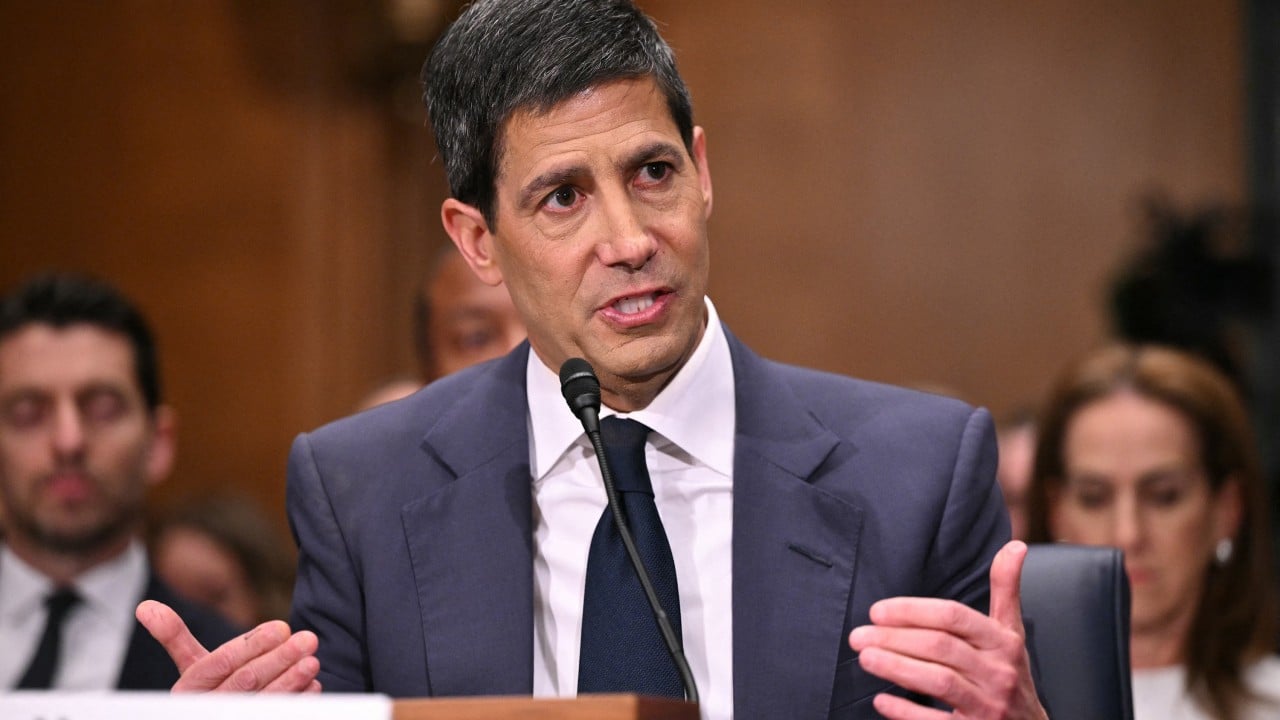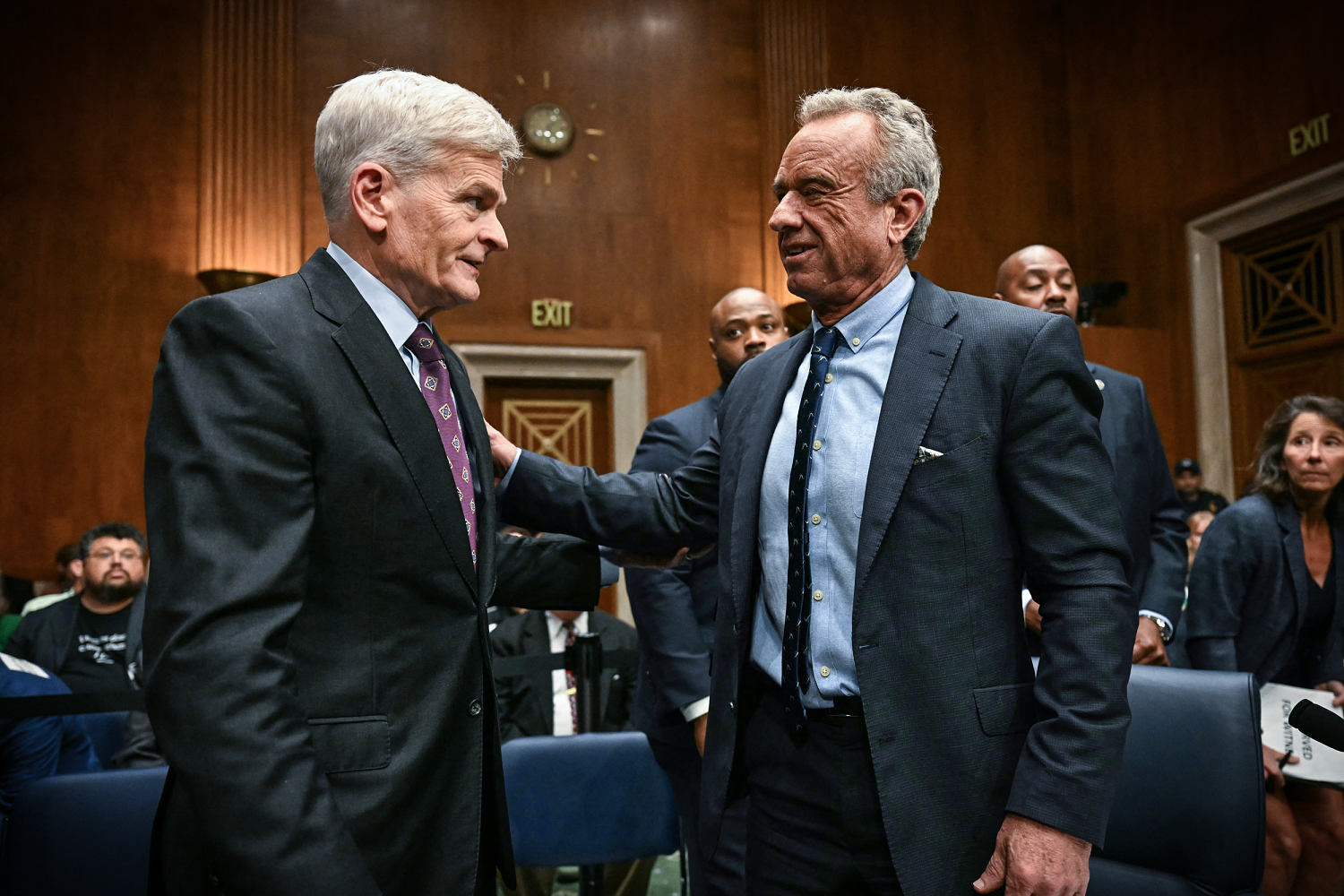
Robert F. Kennedy Jr. is walking into the Senate’s crosshairs this week for a pair of high-stakes hearings that will dictate the direction of American public health for a generation. These sessions, chaired by Senator Bill Cassidy of the Senate Health, Education, Labor, and Pensions (HELP) Committee, are not merely a procedural formality for a controversial nominee. They represent a collision between two irreconcilable visions of the American medical establishment. On one side stands a populist movement intent on dismantling the bureaucratic architecture of the Department of Health and Human Services (HHS); on the other, a traditionalist guard represented by Cassidy, a physician who believes in the institutional framework of the CDC and FDA.
This isn't just about vaccines or fluoride. It is a battle for the soul of the $4.5 trillion healthcare industry.
The Cassidy Strategy
Senator Bill Cassidy is not an easy opponent for a populist disruptor. Unlike many of his colleagues who rely on staff-written talking points, Cassidy brings the specific, technical authority of a gastroenterologist to the dais. He understands the mechanics of clinical trials and the nuances of the "gold standard" regulatory process that RFK Jr. has spent years criticizing. Cassidy’s approach is expected to be surgical rather than ideological. He isn't looking for a viral soundbite; he is looking to trap Kennedy in the weeds of administrative law and scientific consensus.
The core of the tension lies in the MAHA (Make America Healthy Again) agenda. Kennedy has proposed a sweeping overhaul of the FDA’s nutrition department and a radical shift in how the NIH allocates research funding. While Cassidy has expressed openness to addressing the "chronic disease epidemic," he is deeply wary of any move that might destabilize the pharmaceutical and agricultural industries that form the bedrock of the American economy.
The Chronic Disease Question
Kennedy’s strongest card is the undeniable reality of American health outcomes. Despite spending more per capita on healthcare than any other nation, the United States suffers from higher rates of obesity, diabetes, and autoimmune disorders than its peers. Kennedy intends to frame the hearings around this failure, arguing that the agencies meant to protect public health have been captured by the very corporations they regulate.
He will likely focus on corporate capture. This is the phenomenon where regulatory agencies become so cozy with the industries they oversee that they prioritize profit over public safety. Kennedy has promised to fire hundreds of NIH officials and replace them with "independent" scientists. For Cassidy, this sounds like a recipe for chaos. The Senator from Louisiana has long advocated for incremental reform, such as his work on the No Surprises Act, rather than the scorched-earth policy Kennedy is telegraphing.
The Conflict of Interest Trap
Expect Cassidy to grill Kennedy on his previous litigation and his public statements regarding specific medical interventions. The goal will be to paint Kennedy as a man driven by personal grievance rather than data. Kennedy, conversely, will attempt to turn the tables by highlighting the revolving door between the FDA and big pharma. It is a classic confrontation between "outsider" skepticism and "insider" expertise.
The political math is complicated. Kennedy needs every Republican vote he can get, but he also needs to peel off moderate Democrats who are concerned about the rising cost of healthcare. Cassidy, meanwhile, is performing a balancing act. He must satisfy a base that is increasingly skeptical of "expert" institutions while maintaining the integrity of the committee’s oversight function.
Disrupting the NIH Funding Model
One of the most consequential topics will be the restructuring of the National Institutes of Health (NIH). Currently, the NIH operates on a peer-review system that Kennedy claims stifles innovation and protects the status quo. He wants to redirect billions of dollars toward "alternative" research, focusing on environmental toxins and ultra-processed foods.
Cassidy will likely argue that such a shift would jeopardize America’s lead in biotechnology. The U.S. is currently the global leader in drug development and genomic research. Any radical change to the funding mechanism could lead to a "brain drain," where top scientists move to private industry or foreign laboratories. This is a point of concern for both parties, as the intersection of health policy and national security has never been more prominent.
The Ultra Processed Food Debate
Kennedy has made the removal of seed oils and artificial dyes from the American diet a cornerstone of his platform. While this resonates with a large portion of the electorate, it puts him at odds with the powerful agricultural lobby. Cassidy’s questioning will likely touch on the economic impact of these proposals. How does one "clear out" the food supply without triggering massive price spikes or supply chain disruptions? Kennedy’s answers here will determine whether he is seen as a serious policymaker or a populist dreamer.
The Vibe Shift in Public Health
There is an unmistakable shift happening in how the public views health authorities. The post-pandemic era has left a vacuum of trust, and Kennedy is rushing to fill it. These hearings will serve as a litmus test for whether the Senate is willing to tolerate a "disruptor" at the highest levels of government. If Kennedy can demonstrate a command of the facts and a willingness to work within the system, he might just survive the gauntlet.
If he fails to provide concrete, actionable plans for his reforms, Cassidy will likely lead the charge to block his confirmation. This isn't about personality; it's about the technical competency required to manage a department with more than 80,000 employees. The stakes could not be higher. If the FDA is gutted, what happens to the safety of the drug supply? If the CDC is sidelined, how does the nation respond to the next infectious threat?
The Long Game for Reform
Regardless of the outcome, the fact that Kennedy is even in the room signals a permanent change in the political landscape. The "expert" class is no longer immune to scrutiny. Cassidy knows this. He is one of the few senators who has tried to bridge the gap between traditional medicine and the growing demand for health transparency. His questioning will reflect a desire to save the institutions by reforming them, rather than burning them down.
The hearings will likely delve into the Prescription Drug User Fee Act (PDUFA), which allows pharmaceutical companies to pay fees to the FDA to speed up the drug approval process. Kennedy views this as the ultimate proof of corruption. Cassidy, while acknowledging the flaws, will argue that without those fees, the FDA would be severely underfunded, leading to years of delays for life-saving treatments.
This is the fundamental tension of the modern regulatory state. You can have a fast system, a cheap system, or a rigorous system, but you rarely get all three. Kennedy wants to break that triangle, but he has yet to explain what he would build in its place.
The Role of the HELP Committee
The HELP Committee is one of the most powerful bodies in the Senate because it touches every aspect of American life. From the school lunch program to the safety of heart valves, its jurisdiction is vast. Cassidy’s leadership of this committee means that any reform Kennedy proposes must pass through a filter of pragmatism. The Senator has spent his career navigating the complexities of the healthcare system, and he is unlikely to be swayed by rhetoric alone.
Kennedy’s performance will be measured by his ability to pivot from activist to administrator. He must prove that he can manage the very people he has spent the last decade suing. It is a tall order. The Senate floor is littered with the political corpses of nominees who thought they could bypass the "old guard" through sheer force of will.
The real story here is the end of the consensus era in public health. The days of the CDC being an unquestioned authority are over. What replaces it—whether it's a new era of transparency or a chaotic period of institutional decay—will be decided in the back-to-back hearings led by Bill Cassidy. The medical establishment is holding its breath, and for good reason. The disruption isn't coming; it's already here.
Strip away the partisan noise and you are left with a single, brutal question: Can the current system be fixed from within, or does it need to be dismantled to save the people it serves? Cassidy represents the fix; Kennedy represents the dismantle. There is no middle ground. The Senate is about to choose a side.