The coffee in the mess room of a modern oil tanker tastes like scorched steel and sleep deprivation. It is 3:00 AM in the Strait of Hormuz. Captain Marek—a fictional composite of the very real veterans navigating these waters—stares out into a darkness so absolute it feels heavy.
On his digital charts, the screen is usually crowded with green triangles, each representing a massive cargo vessel or crude carrier. Tonight, the screen looks barren. The triangles are sparse, scattered, and hesitant.
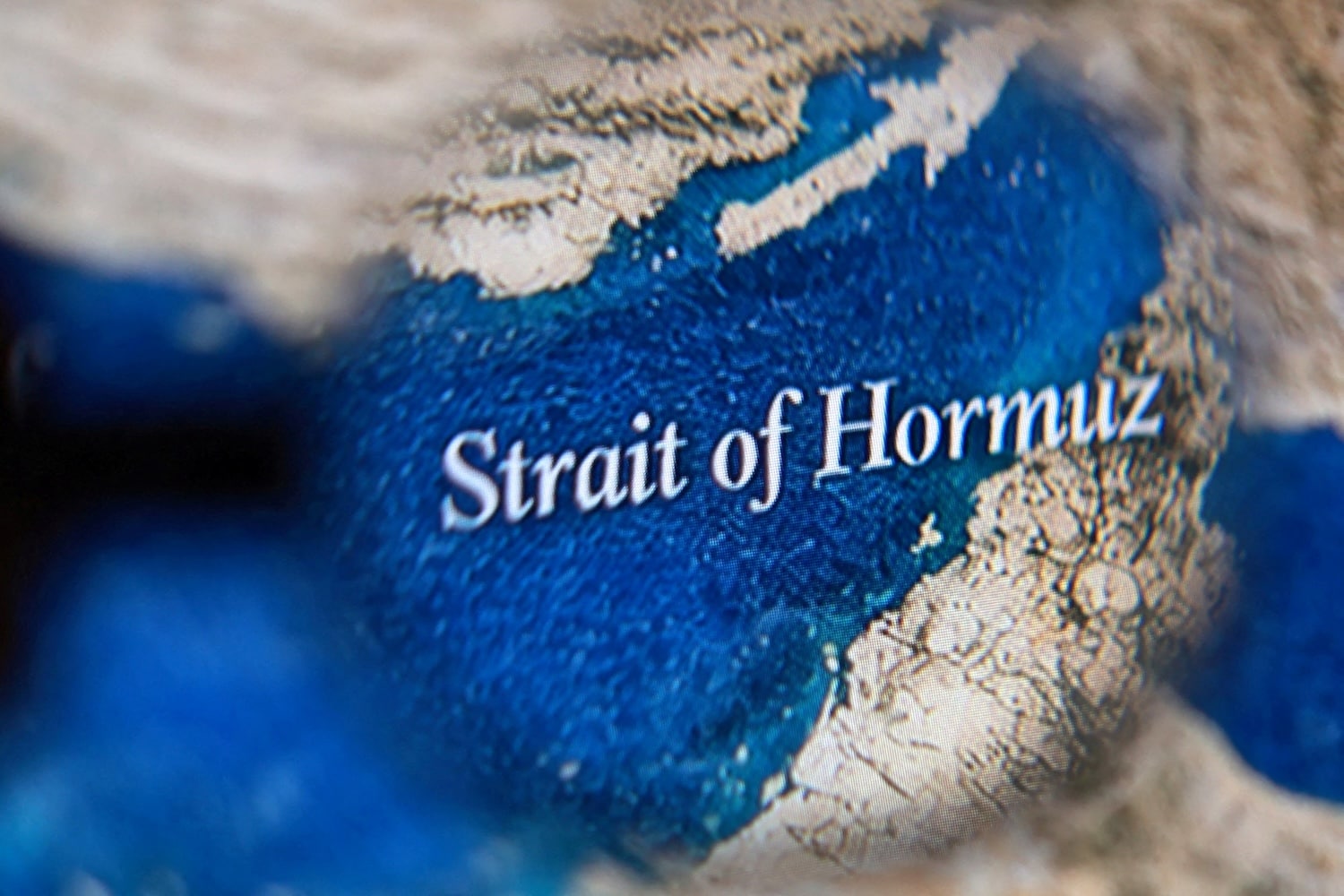
For decades, the Strait of Hormuz has operated as the jugular vein of the global energy economy. One-fifth of the world’s petroleum passes through this narrow choke point between Oman and Iran. It is just twenty-one miles wide at its narrowest pinch. When it functions normally, it is a loud, chaotic, hyper-profitable maritime superhighway.
Right now, it is quiet. Too quiet.
The silence is the direct result of a invisible game of chicken played between Washington and Tehran. As political rhetoric sharpens and military deployments escalate, the commercial shipping industry is quietly backing away from the ledge. The news anchors talk about macroeconomics, regional stability, and energy futures. But on the water, the reality translates to a visceral, creeping dread.
The Price of Passing Through
Behind every barrel of oil transported across the ocean is an underwriter sitting in a glass tower in London or Singapore. These actuarial minds do not look at flags, ideology, or history. They look at risk.
When a region becomes a flashpoint, the cost of insurance does not just rise. It spikes. War risk premiums can increase tenfold in a matter of days, turning a profitable voyage into a multi-million-dollar gamble. For many shipowners, the math no longer works. They are choosing the long way around, routing vessels past the Cape of Good Hope, adding weeks to transit times and burning through thousands of tons of extra fuel.
Consider the domino effect of a single diverted tanker. It isn’t just about the delayed delivery of crude to a refinery in Rotterdam or Tokyo. It is about the global supply chain locking up. When ships take longer journeys, fewer ships are available on the open market. Freight rates soar across every sector, from dry bulk carrying grain to container ships carrying electronics.
The consumer at a gas station in Ohio or a supermarket in Manchester feels the vibration of a drone strike in the Gulf weeks after the smoke has cleared. The world is interconnected by these fragile threads of salt water. When political tension pulls the string tight, the whole web twitches.
The numbers tell a stark story. Maritime tracking data shows a significant double-digit drop in commercial traffic through the strait compared to the same period last year. It is a slow-motion evacuation. The giants of the sea are fleeing the theater of potential war.
Steel Hulls and Soft Targets
Imagine standing on a floating island of steel 1,000 feet long, carrying two million barrels of highly flammable cargo, knowing you are completely defenseless.
Strait of Hormuz Choke Point:
[Oman / GCC Coast] <--- 21 Miles ---> [Iranian Coastline]
                           ^
                     Shipping Lanes
Seafarers are not soldiers. They are ordinary people from the Philippines, India, Ukraine, and China, working months-long contracts to send money back to their families. They did not sign up to be collateral damage in a geopolitical chess match. Yet, they find themselves on the front lines.
The tactics used in these waters have evolved past traditional naval engagements. Today, the threat comes from asymmetric warfare. Limpet mines attached silently below the waterline in the dark of night. Low-flying loitering munitions that look like hobbyist models but carry enough explosives to punch through a superstructure. Fast-attack speedboats buzzing around a massive hull like angry hornets, manned by masked guards demanding the ship alter its course into hostile waters.
For a captain like Marek, the stress manifests physically. A tight jaw. A constant, low-grade headache. Every radar blip is a potential threat. Every fishing dhow could be a reconnaissance scout.
The true cost of tension isn’t just measured in insurance premiums or oil price volatility. It is measured in the sleepless nights of crews who know that if a missile flies, they are sitting on the world's largest tinderbox.
The Illusion of Control
We like to think that the global economy is guided by steady hands and sophisticated algorithms. The reality is far more fragile. It relies on a collective agreement to play by the rules. International law guarantees the right of transit passage through straits used for international navigation. It is a gentleman's agreement that keeps the lights on across the globe.
But when a regional power decides that the rules no longer apply, or when a superpower uses economic sanctions as a weapon of strangulation, that agreement dissolves. The Strait of Hormuz ceases to be an international highway and becomes a toll booth monitored by a volatile gatekeeper.
The strategic calculations are complex. Washington deploys carrier strike groups to deter aggression and reassure allies. Tehran views these deployments not as a stabilizing force, but as an existential provocation right on its doorstep. Each side believes its actions are defensive. Each side views the other's actions as an escalation.
In the middle of this cycle sits the shipping industry, trying to read the tea leaves of diplomatic communiqués while navigating minefields.
When the Deep Water Goes Dark
One of the most alarming trends in the Gulf right now is the rise of the ghosts.
To survive, many captains are turning off their Automatic Identification System (AIS) transponders. The AIS is the digital beacon that broadcasts a ship’s identity, position, speed, and heading to the rest of the world. It is the primary tool used to prevent collisions in crowded waterways.
Going dark is a desperate measure. It makes a ship invisible to casual digital tracking, reducing the likelihood of being targeted by hostile forces. But it also creates a terrifying blind spot.
Picture a highway where every third semi-truck turns off its headlights at midnight. The risk of a catastrophic collision increases exponentially. Navigating a 300,000-ton vessel through a narrow channel without AIS is an exercise in pure nerve. It requires eyes glued to radar screens, lookouts strained against the darkness with binoculars, and a heavy reliance on luck.
The fact that commercial operators are willingly accepting the risk of collision over the risk of state-sponsored seizure shows exactly how desperate the situation has become. The maritime world is reverting to an older, more dangerous era. An era where the sea was a lawless expanse and might made right.
The Long Shadow
The sun begins to rise over the jagged cliffs of the Musandam Peninsula, casting a pale, yellow light across the water. The sky is beautiful, but no one on the bridge is looking at the sunrise. They are looking at the horizon.
The current dip in shipping traffic is a warning shot. It proves that you don't need to sink a ship to close a waterway. You just need to make the environment unpredictable enough that capital and commerce voluntarily retreat.
The world will continue to demand energy. Factories will still require oil to run, and cities will still require gas to burn. If the Gulf remains a hostile environment, the supply lines will permanently shift, rewriting global trade routes at an immense financial and environmental cost.
Captain Marek watches the green triangle of his own vessel slowly clear the most dangerous sector of the strait. A collective, unvoiced sigh of relief passes through the bridge crew. They have made it through this time.
But tomorrow, another crew will take their place at the entrance of the channel, staring into the dark, waiting to see if the invisible trap snaps shut.