The diesel engine doesn’t roar anymore. It coughs, a wet, metallic rattle that sounds like a terminal diagnosis.
Anan stands on the pier at Samut Sakhon, his hands stained with a permanent mixture of salt and grease. He has spent thirty years reading the Gulf of Thailand like a book, but lately, the pages are blank. Behind him, the hulls of a dozen trawlers bob listlessly in the stagnant water. These are not ships in transition; they are monuments to a US$7 billion industry that is currently bleeding out in the humid heat.
Money has a scent. In the seafood capital of Thailand, it used to smell like ice, brine, and the sharp, metallic tang of blood on a gutting table. Now, it smells like dust and expensive fuel.
The Arithmetic of Ruin
The math of a fishing voyage is brutal and unforgiving. To send a medium-sized trawler out past the horizon, you need thousands of liters of diesel. For decades, that cost was a manageable line item on a ledger. But as tensions in the Middle East escalated into open conflict, the ripples didn't just stay in the Persian Gulf. They traveled across the Indian Ocean and slammed into the Thai coastline like a tidal wave.
Consider the hypothetical journey of the Siriwat, a vessel that represents the thousands currently pinned to the docks. Before the war began in Iran, filling the Siriwat’s tanks cost a small fortune. Today, that price has surged by nearly 40%. When fuel accounts for 60% of your operational costs, that isn't a "market fluctuation." It is a wall.
Anan calculates the odds on a piece of cardboard. If he goes out, he might catch enough mackerel and shrimp to cover the fuel. He might. But if the schools have moved, or if the weather turns, he returns to port with a debt that will take six months to pay off. For the first time in his life, the bravest thing he can do is stay on land.
The Thai fishing industry isn't just a collection of boats. It is a massive, interlocking machine that feeds the world. When the boats stop, the gears of the entire region begin to grind and seize.
The Invisible Stakes
We often view global markets through the lens of flickering green and red numbers on a screen. We talk about "logistics," "supply chains," and "crude benchmarks." These words are too clean. They don't capture the sound of a marketplace that has gone quiet.
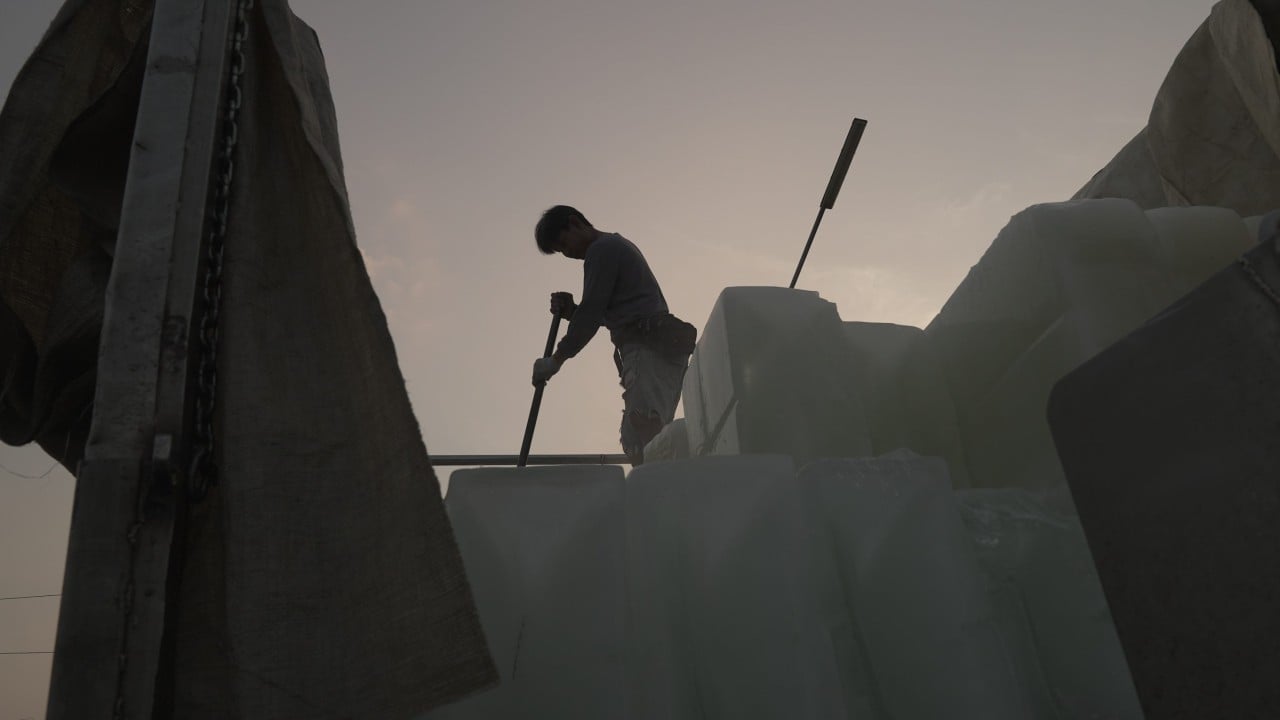
When the trawlers remain at the docks, the ripple effect moves inland. The ice factories, once humming 24 hours a day to keep the catch fresh, now run on skeleton shifts. The women who spent their lives peeling shrimp in open-air sheds find their stools empty. The truck drivers who hauled tons of seafood to the markets of Bangkok find themselves sleeping in their cabs, waiting for a call that never comes.
The stakes are invisible because they happen in the kitchen. The price of a bowl of tom yum goong in a street stall climbs by ten baht, then twenty. To a tourist, it’s a minor annoyance. To a local family, it’s the difference between a full plate and a hungry evening. Thailand is one of the world's top exporters of processed seafood, meaning the empty nets in Samut Sakhon eventually mean higher prices on grocery shelves in London, Los Angeles, and Tokyo.
The world is connected by a thread of cheap energy. When that thread snaps, the fabric of entire coastal communities begins to unravel.
A Legacy Overboard
There is a specific kind of grief that comes with watching a tradition die. Thailand’s fishing history is deeply ingrained in the national identity. It’s a culture of resilience, of people who survived monsoons and shifting political tides. But they cannot survive the weaponization of the very fuel that powers their lives.
The irony is bitter. A conflict thousands of miles away, driven by ideologies and territorial disputes that have nothing to do with the Gulf of Thailand, is the primary predator of the Thai fisherman. Anan doesn't know the names of the generals or the specific geography of the Iranian coastline. He only knows that when a missile flies in the Middle East, his children’s school fees go unpaid in Samut Sakhon.
The industry was already reeling from years of "yellow card" warnings from the European Union over labor practices and overfishing. It was a sector trying to reform, trying to find a sustainable path forward. This fuel crisis didn't just hit a thriving industry; it kicked a man while he was trying to stand up.
The Cold Reality of the Dock
Walk through the shipyards today and you’ll see the "For Sale" signs. They are hand-painted, weathering under the sun. These aren't just boats for sale; they are exits. Owners who have spent generations on the water are cutting their losses, selling their vessels for scrap metal because the steel is worth more than the potential of a catch.
There is a quiet desperation in the air. It’s the sound of a US$7 billion engine stalling out.
The government offers subsidies, but they are like putting a bandage on a severed limb. A few thousand baht here or there cannot bridge the gap created by a global energy crisis. The systemic weight of the problem is too heavy for local solutions.
Anan sits on the edge of the Siriwat, his feet dangling over the side. He watches the sun dip below the horizon, painting the water in shades of bruised purple and orange. In years past, this was the hour of departure. The harbor would be a chaos of shouting men, clanking chains, and the thick, black smoke of engines coming to life.
Now, the silence is heavy. It is the silence of a ghost fleet.
The world will continue to demand its seafood. The hunger for cheap protein won't vanish. But the people who provided it, the men like Anan who risked their lives on the open sea to fill the world's plates, are being squeezed out of existence. They are the collateral damage of a war they didn't start and a global economy that values the flow of oil more than the lives of those who use it.
He reaches into his pocket and pulls out a small, wooden charm, rubbing it between his thumb and forefinger. It’s meant to bring luck and a bountiful catch. He looks at it for a long moment before putting it back. Luck is a luxury he can no longer afford.
The tide comes in, lifting the boats a few inches, only to let them settle back into the mud as it recedes. They are going nowhere. The ocean is still there, vast and full of life, but for the fishermen of Thailand, the horizon has never felt further away.