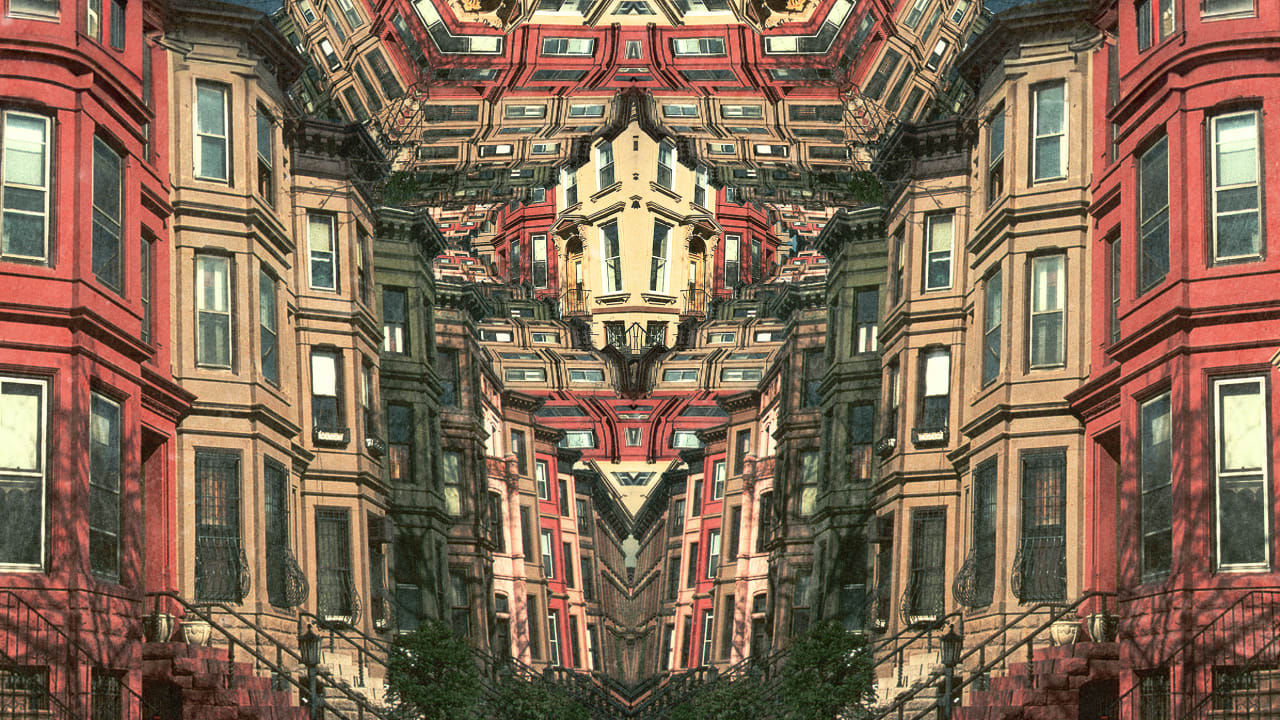
Queens Park was once the quiet, leafy buffer between the grit of Kilburn and the polished stucco of Maida Vale. For decades, it existed as a residential sanctuary where the most exciting thing to happen on a Sunday was the farmers' market. But the geography of London’s appetite has shifted. The neighborhood has transitioned from a local secret into a high-stakes culinary theater where property prices and sourdough starters move in perfect lockstep.
The current obsession with this NW6 enclave is not an accident of geography or a sudden improvement in the local palate. It is the result of a deliberate, decade-long migration of capital and creative talent fleeing the oversaturated markets of Soho and Shoreditch. When the rent in Central London became a barrier to entry for independent chefs, they looked toward the Victorian terraces of Salusbury Road and Lonsdale Road. What they found was a demographic with deep pockets and an insatiable demand for "authentic" experiences that could be reached without a Tube journey.
To understand the rise of Queens Park as a food destination, one must look past the glowing reviews and Instagrammable interiors. You have to look at the micro-economy of the postcode. This is a neighborhood where a two-bedroom flat regularly fetches seven figures. The people living here don't want a "night out" in the traditional sense; they want a continuation of their lifestyle. They want the $200 bottle of natural wine and the hand-rolled pasta, but they want it within walking distance of their front door.
The Industrial Evolution of Lonsdale Road
Lonsdale Road is the clearest example of this transformation. Once a mews of mechanics’ garages and dusty workshops, it has been stripped of its industrial grime and replaced with a curated selection of lifestyle outposts. This isn't just a street; it's a managed ecosystem.
The shift began when Milk Toof and Lulli started drawing crowds that were previously loyal to Notting Hill. These aren't just cafes; they are anchors. The arrival of Wolfpack, founded by former professional rugby players, signaled that the area could support more than just brunch. It brought a specific type of high-spending, social energy that transformed the mews from a daytime shortcut into a nightlife destination.
However, the real power move was the arrival of Carmel. When a restaurant of that caliber—brought to you by the team behind Berber & Q—chooses a backstreet in NW6 over a prime spot in Mayfair, it sends a signal to the entire industry. It says that the audience in Queens Park is sophisticated enough to appreciate Middle Eastern flavors refined through a North London lens. It also says that the margins are better here.
The Economics of the Local Loop
The success of these establishments relies on a concept I call the Local Loop. In most parts of London, a restaurant survives on a mix of tourists, office workers, and destination diners. Queens Park is different. It functions on a recurring cycle of the same three thousand high-net-worth individuals.
This creates a unique pressure on chefs. You cannot rely on a one-time gimmick or a flashy launch. If the neighborhood locals don't come back every Tuesday, you are dead in the water. This is why the menus in Queens Park tend to be seasonal and produce-led. It’s not just a trend; it’s a survival strategy. If you serve the same roast chicken for six months, your neighbors will get bored and stop paying your rent.
The Salusbury Road Establishment
While Lonsbury Road represents the new wave, Salusbury Road remains the traditional spine of the neighborhood. This is where the old guard lives. The Salusbury Pub and The Alice House have anchored this strip for years, providing the baseline for what a "posh" neighborhood haunt should be.
The interesting development here is the lack of chain infiltration. In most London neighborhoods that undergo this level of gentrification, you eventually see a Gail’s on every corner and a Byron Burger looming over the independent shops. Queens Park has resisted this with surprising ferocity. The community is fiercely protective of its independent identity, favoring spots like Dark Habit for coffee over a global brand.
This resistance to chains is a hallmark of "Tier 1 Gentrification." The residents have reached a level of wealth where they no longer view a chain brand as a sign of safety or quality. Instead, they view it as a dilution of their property value. They want exclusivity. They want the baker who knows their name and the sommelier who remembers their preference for skin-contact whites.
The Dark Side of the Artisan Boom
We need to talk about what this means for the people who were here before the artisanal revolution. As the price of a flat white climbs, the space for anything that isn't high-end luxury shrinks. The local shops that served the diverse community of the 1990s are largely gone, replaced by boutiques selling handmade ceramics and $50 candles.
There is a tension here that most food critics ignore. They see a "vibrant food scene," but an investigator sees a narrowing of the social fabric. When a neighborhood becomes a "culinary corner," it becomes an exclusionary zone for anyone who can’t afford a $15 small plate. The diversity that once defined NW6 is being pushed further north, toward Willesden, leaving behind a curated, monochromatic version of urban life.
Why Other Neighborhoods Fail to Replicate the Model
Property developers across London are trying to bottle the Queens Park magic. They build "luxury" developments in Peckham or Tottenham and wonder why the same alchemy doesn't occur. They miss the crucial ingredient: the park itself.
Queens Park is a literal circle of green that forces the neighborhood to look inward. It creates a physical boundary that keeps the energy contained. When you leave the park, you are immediately funneled toward the restaurants. It is a natural amphitheater for consumption. Without that central, communal hub, a food scene is just a collection of disconnected shops. In NW6, the park is the lobby, and the restaurants are the rooms.
The Role of the Farmers Market
Every Sunday, the grounds of Queens Park Primary School become a microcosm of the neighborhood's ambitions. The farmers' market is the weekly ritual where the residents perform their commitment to "the local."
They buy organic kale and unpasteurized cheeses, not because it’s the most convenient way to shop, but because it’s a badge of membership. This market serves as a proving ground for new vendors. If you can sell out of handmade gyoza at the Queens Park market, you have a built-in customer base for a permanent site on Lonsdale Road. It is an unofficial incubator for the neighborhood’s next big hit.
The Future of the NW6 Appetite
Is the Queens Park bubble going to burst? Probably not. Unlike the trendy flash-in-the-pan scenes of East London, this neighborhood is built on the bedrock of residential ownership. The people eating at these tables own the houses nearby. They aren't going anywhere.
But the scene is reaching a saturation point. There are only so many $18 cocktails a single neighborhood can absorb before the competition starts eating itself. We are starting to see a shift toward more specialized offerings. It’s no longer enough to be a "bistro." Now, you have to be a bistro that specializes in heritage grains or specific regional Italian micro-cuisines.
The real test will be whether the neighborhood can maintain its independent spirit as the rents continue to skyrocket. Eventually, even the most successful independent chef will struggle to balance the books against a landlord who knows exactly how much a bottle of Pet-Nat costs.
Queens Park has proven that you can build a world-class food scene away from the city center, but it has also shown that such a scene is inherently fragile. It relies on a delicate balance of local loyalty and high-end ambition. If that balance tips, it becomes just another overpriced high street. For now, it remains a masterclass in how a neighborhood can use food to redefine its identity and its tax bracket.
Walk down Lonsdale Road on a Thursday evening and you’ll see the reality of modern London. It’s polished, it’s expensive, and it tastes incredible. But don't mistake the charm for a fluke. This is an engineered environment where the food is just the most visible part of a much larger machine.
Check the menu at the next "hot" opening and ask yourself if the dish is designed for the palate or for the postcode.