The clicking sound usually comes first. It is the rhythmic, mechanical protest of a refrigerator compressor struggling against a surge, or perhaps the sharp snap of a circuit breaker giving up the ghost. In a small apartment in the suburbs of Colombo, Anura waits for that sound every evening. For him, the news of a conflict thousands of miles away in the Middle East isn't a headline about geopolitics or drone strikes. It is the sound of his daughter’s desk lamp dying while she tries to study for her chemistry exams.
Sri Lanka is a nation that has spent the last few years relearning the value of light. After the economic collapse of 2022, when the country literally ran out of fuel and foreign exchange, every watt of power became a political statement. Now, as the shadow of a wider war between Iran and Israel stretches across the Indian Ocean, the cost of keeping the lights on has taken another steep, painful climb.
The government recently announced a significant hike in electricity tariffs. On paper, the logic is as cold and unyielding as a spreadsheet. Sri Lanka relies heavily on imported fossil fuels to bridge the gap when its hydropower reservoirs run dry. When Iran—a titan of the regional energy market—becomes embroiled in direct conflict, the global oil markets convince themselves that the world is ending. Prices spike. Shipping insurance premiums in the Red Sea skyrocket. By the time those global tremors reach the shores of an island nation still reeling from bankruptcy, they have transformed into a domestic crisis.
Consider the math of a middle-class survivalist.
Anura works in a logistics firm. His salary has remained stagnant while the cost of a kilo of rice has doubled, then tripled. To him, "energy security" isn't a white paper distributed at a summit in Dubai. It is a choice between running the ceiling fan during a humid tropical night or ensuring there is enough money for the commute to work the next morning. When the state-run Ceylon Electricity Board (CEB) raises rates to compensate for the surging cost of furnace oil and coal, they aren't just balancing books. They are reaching into Anura’s pocket and taking the milk powder he planned to buy on Saturday.
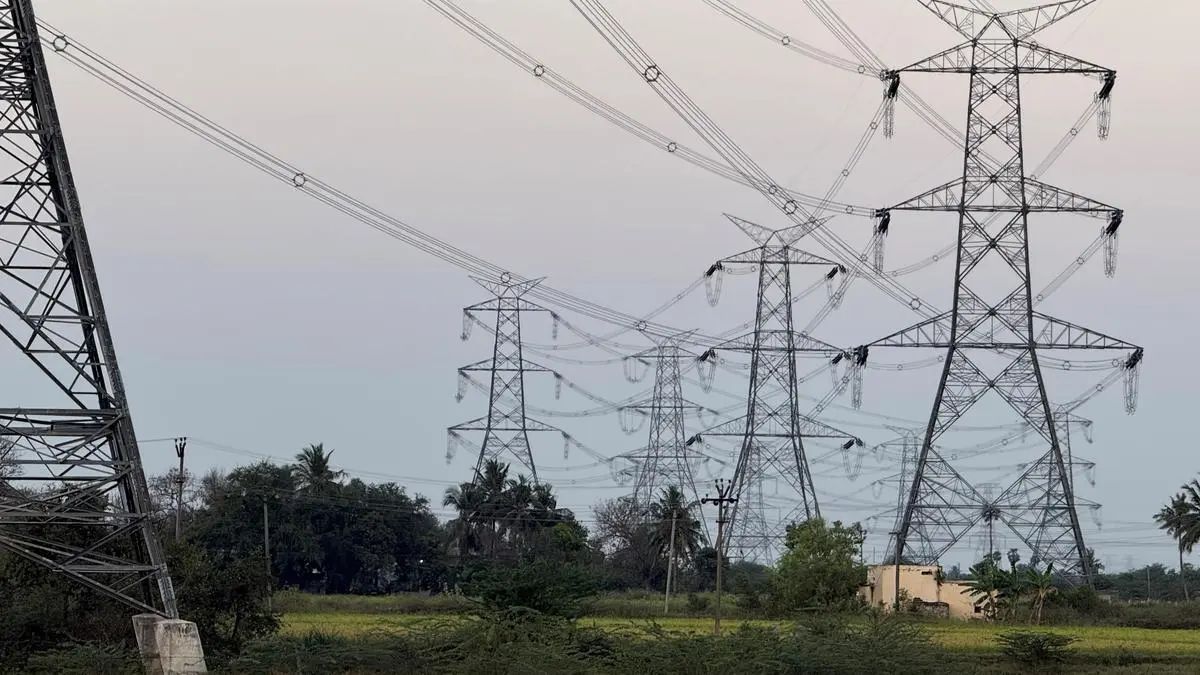
The tragedy of the Sri Lankan power grid is its timing. The country was supposed to be transitioning. There were grand plans for wind farms in Mannar and solar arrays in the dry zones of the north. But green energy requires greenbacks—specifically, US dollars. When the nation defaulted on its debt, the credit lines dried up. The turbines stopped spinning before they were even built.
Now, the island is trapped in a feedback loop. It must buy expensive oil to keep the economy moving, but the price of that oil, inflated by the drums of war in the Middle East, prevents the economy from ever gaining enough momentum to pay off its debts.
The invisible stakes are found in the small businesses. Walk through the Pettah market. Here, the air is thick with the scent of spices and the roar of small, gasoline-powered generators. These machines are the heartbeat of survival, yet they are also the poison. Every time the national grid becomes too expensive or too unreliable, the "generator economy" takes over. This is a desperate, inefficient way to live.
A seamstress named Sunethra, who runs a two-machine shop out of her garage, explains it through the lens of a single garment. A year ago, the electricity cost to sew a school uniform was negligible. Today, it accounts for nearly fifteen percent of her margin. If she raises her prices, the parents—who are also struggling with their own light bills—cannot pay. If she doesn’t, she works for free.
"The war in Iran feels very close," she says, her hands moving over a piece of blue cotton. "I don't know where it is on a map, exactly. But I know that when they fire missiles, my sewing machine becomes harder to turn on."
This is the "human-centric" reality of a tariff hike. It is a slow-motion erosion of the small joys that make life more than just a sequence of survival tasks. It is the dark storefront. It is the ice cream shop that turns off its freezers at night, leading to a grainy, melted product that no child wants. It is the elderly man who sits in the dark because he is terrified of the piece of paper the postman will bring at the end of the month.
The government argues that these hikes are "cost-reflective." This is a term used by economists to describe a situation where the consumer pays exactly what it costs to produce the service, with no subsidies. In a vacuum, it makes sense. A bankrupt state cannot afford to pay for its citizens' air conditioning.
But Sri Lanka does not exist in a vacuum. It exists in a world where a drone strike on an oil refinery in the Gulf can effectively darken a classroom in Kandy. The "cost" being reflected isn't just the price of oil; it is the price of a global system that leaves smaller, developing nations at the mercy of volatility they did not create and cannot control.
There is a psychological weight to this uncertainty. For decades, the flick of a switch was an afterthought. Now, it is a moment of hesitation. People have begun to develop a "utility anxiety," a constant mental tally of every lightbulb in the house. Is the porch light on? Did the kids leave the TV on standby? This hyper-vigilance is exhausting. It turns the home, which should be a sanctuary, into a site of constant fiscal monitoring.
The dependency on the "Iran factor" highlights a deeper, more systemic failure in how we think about energy. For years, the move toward renewables was framed as a moral choice—a way to save the planet for the year 2050. In Colombo, it is now a matter of national sovereignty for Monday morning. Every megawatt generated by the sun is a megawatt that doesn't require a signature on a dollar-denominated contract with a foreign oil supplier. Every wind turbine is a shield against the whims of a regional hegemon or a sudden blockade in the Strait of Hormuz.
The transition, however, is stalled by the very crisis it is meant to solve. To build solar, you need capital. To have capital, you need a stable economy. To have a stable economy, you need cheap power. It is a cruel circle.
As the sun sets over the Indian Ocean, painting the sky in bruises of purple and orange, the city begins to glow. But look closer. The glow is thinner than it used to be. The streetlights are spaced further apart. The neon signs of the casinos and luxury malls seem a little more frantic, a desperate attempt to project a normalcy that the rest of the country cannot feel.
Anura sits on his balcony. He has disconnected the water heater. He has replaced every bulb with the cheapest LEDs he could find, though even those were a struggle to afford. He watches the ships on the horizon, tankers carrying the lifeblood of the modern world, wondering which of them will be the one that forces him to tell his daughter she has to finish her homework before the sun goes down.
The bills arrive like clockwork. They are printed on thin, recycled paper, but they carry the weight of lead. They tell a story of a world that is interconnected in the most painful ways possible. We are told that we live in a global village. For the people of Sri Lanka, that village is currently on fire, and they are the ones paying for the water to put it out.
The real cost of the war in the Middle East isn't found in the charred remains of military hardware or the shifting lines of a map. It is found in the silence of a house where the power has been cut. It is found in the eyes of a father who has to explain to his child why the world is getting darker just as she is trying to see it.
Light is not just physics. It is the ability to plan, to study, to work, and to feel safe. When that becomes a luxury, the social contract doesn't just fray; it dissolves. The flickering lamp in Colombo isn't just a sign of an overtaxed grid. It is a warning.
A nation cannot build a future in the dark.