You're standing in the supplement aisle and it’s basically a wall of neon tubs and aggressive fonts. Every single label promises to burn fat, build lean muscle, and somehow make you look like a fitness influencer by Tuesday. It's overwhelming. Honestly, most people pick whatever is on sale or has the coolest logo, but if you’re actually trying to shed pounds, that's a mistake.
Weight loss is complicated. Protein powder isn't a magic fat-melting potion. It’s just a tool.
If you use it right, it keeps you full so you don't inhale a bag of chips at 3:00 PM. If you use it wrong, you’re just drinking extra calories you didn't need. Choosing good protein powders for weight loss requires looking past the "Fat Burner" claims and actually reading the boring black-and-white nutrition label on the back.
Why Protein Actually Helps You Lose Weight (The Science Bit)
It’s about satiety. When you eat protein, your body releases hormones like GLP-1 and cholecystokinin. These are the signals that tell your brain, "Hey, we're good, stop eating."
There's also the thermic effect of food (TEF). Your body actually has to work harder to digest protein than it does for fats or carbs. Roughly 20% to 30% of the calories you consume from protein are burned just during the process of digestion. Compare that to 5% to 10% for carbs. It’s a small edge, but over months, that adds up.
Dr. Jose Antonio, a researcher often cited in the Journal of the International Society of Sports Nutrition, has conducted studies showing that high-protein diets can lead to fat loss even when total calories stay relatively high. It's not magic; it's metabolic efficiency.
What to Look for in Good Protein Powders for Weight Loss
The best powders for weight loss are usually "isolates."
Think of it like this: a "concentrate" is the first level of processing. It's fine, but it still has some fat and lactose (milk sugar) left in it. An "isolate" goes through more filtering. This strips away almost everything except the protein. You get more protein per scoop and fewer "sneaky" calories.
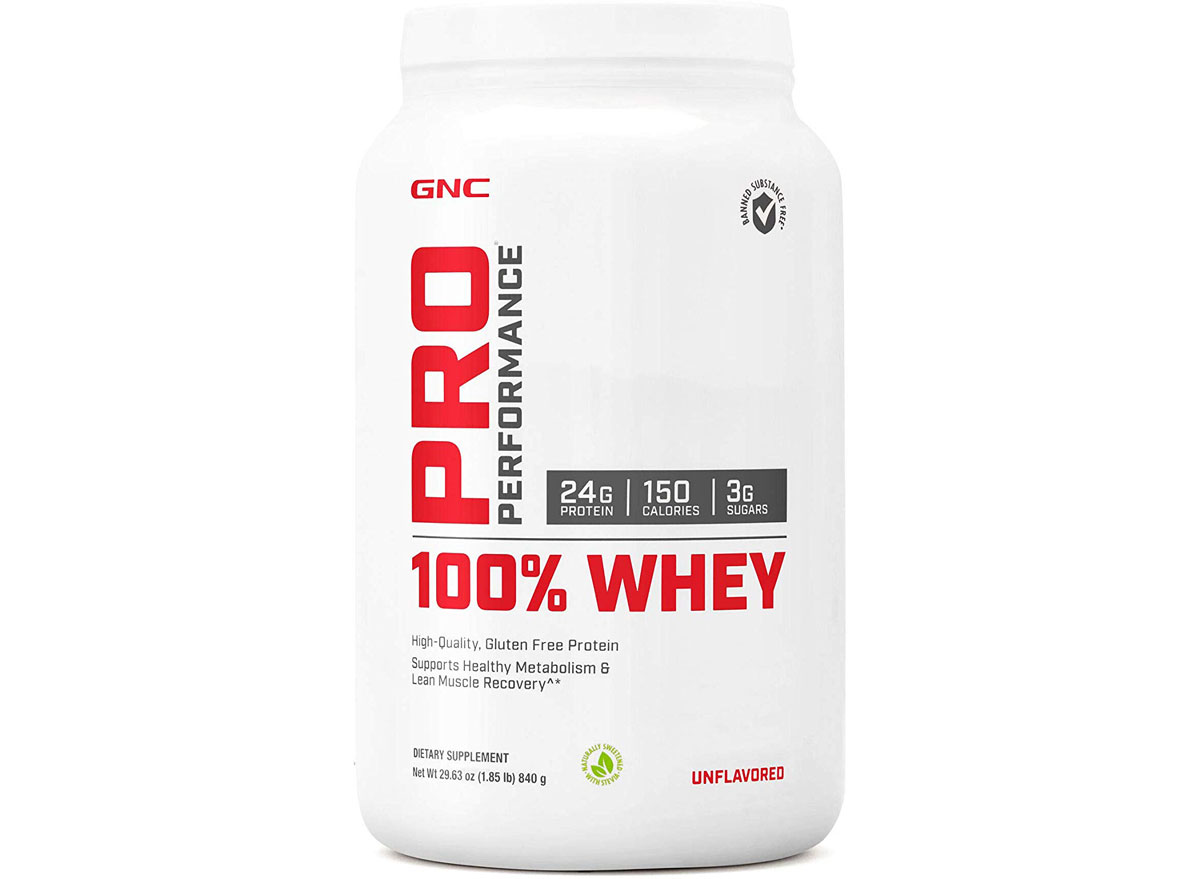
You want a short ingredient list. If the list of ingredients looks like a chemistry textbook, put it back. You’re looking for high protein (20-30g), low carbs (under 3g), and low fat (under 2g).
Watch Out for Hidden Sugars
Companies are sneaky. They’ll use maltodextrin, dextrose, or high-fructose corn syrup to make the chalky powder taste like a milkshake. Those are empty calories. They spike your insulin. When insulin is high, your body is in "storage mode," not "burn mode."
Look for stevia, monk fruit, or even a tiny bit of sucralose if you aren't sensitive to it. Or, better yet, get unflavored and add your own cocoa powder or cinnamon.
The Big Three: Whey, Casein, and Plant-Based
Whey Isolate is the Gold Standard
Whey is popular for a reason. It’s absorbed fast. If you've just finished a workout, whey gets those amino acids to your muscles quickly. For weight loss, specifically, whey protein has been shown in studies—like those published in Nutrition & Metabolism—to help preserve lean muscle mass while you're in a calorie deficit.
The more muscle you keep, the higher your metabolism stays.
Casein: The "Slow" Protein
Casein is the opposite of whey. It’s thick. When it hits your stomach, it forms a sort of gel. This sounds gross, but it's great for weight loss because it digests slowly over 6 to 8 hours.
A lot of people take casein before bed. It keeps you full through the night and prevents those late-night fridge raids. If you find yourself getting hungry an hour after a whey shake, try switching to a casein or a whey-casein blend.
Plant-Based Options (Pea and Rice)
You don't need dairy to lose weight. In fact, for people who get bloated from milk, plant-based is better. Bloating makes you feel heavy and discouraged.
Pea protein is surprisingly effective. A study in the Journal of the International Society of Sports Nutrition found that pea protein was just as effective as whey for muscle thickness and satiety. The trick with plant protein is to look for a "complete profile." Since many plants lack certain amino acids, look for blends—like pea and brown rice mixed together.
Stop Making These Weight Loss Shake Mistakes
I see people do this all the time. They make a "weight loss" smoothie that has 800 calories. They toss in a scoop of protein, two bananas, a massive glob of peanut butter, a cup of whole milk, and some honey.
That’s not a weight loss tool; that’s a liquid cheesecake.
If your goal is fat loss, keep your shake simple:
- Water or unsweetened almond milk (30 calories vs. 150 for dairy milk).
- One scoop of a high-quality isolate.
- Maybe a handful of spinach (you won't taste it, I promise).
- A few frozen berries for fiber.
Fiber is the secret weapon. Protein powder has almost zero fiber. If you're replacing a meal with a shake, you need fiber to keep your digestion moving and to help with that "full" feeling. Toss in a tablespoon of chia seeds or psyllium husk.
Real Brands to Consider
I'm not sponsored by anyone, but some brands consistently test well for purity and label accuracy according to third-party labs like Labdoor or Clean Label Project.
- Isopure Zero Carb: This is basically the cleanest you can get. It’s whey isolate, tastes decent, and has zero carbs. It’s thin, almost like juice if you get the fruity flavors, which is a nice break from creamy chocolate.
- Nutricost Grass-Fed Whey Isolate: Simple, no-frills, and cost-effective.
- Orgain Organic Protein: Good for the plant-based crowd. It uses a mix of pea, rice, and chia. Just be careful with the flavors; some have more sugar than others.
- Optimum Nutrition Gold Standard Casein: Reliable and thick enough to feel like a meal.
Beyond the Powder: The Reality Check
Look, you can't out-protein a bad diet.
Adding protein powder to a diet of processed junk won't do anything except maybe make you gain weight because you're adding more calories on top of what you already eat. You have to use the powder as a replacement or a strategic bridge.
Use it to replace a high-carb breakfast or as a snack between lunch and dinner so you don't overeat at the table.
Also, watch your digestion. Some people get "protein farts" or serious bloating. This is usually due to sugar alcohols (like erythritol) or cheap fillers. If your stomach is screaming at you, change brands. Life is too short to be bloated for the sake of a "fit" lifestyle.
Actionable Steps for Your Next Move
First, go check your current pantry. Look at the back of whatever you’re drinking. Is there more than 5g of sugar? Is the first ingredient "Whey Protein Concentrate" instead of "Isolate"? If so, finish the tub (don't waste money), but make your next purchase a high-quality isolate.
Next, try the "Satiety Test." Tomorrow, instead of your usual breakfast, have a shake with 30g of protein and a tablespoon of fiber. See how long it takes before you feel truly hungry. If you make it to 1:00 PM without thinking about food, you’ve found your rhythm.
Finally, prioritize whole foods whenever possible. Protein powder is a supplement. It supplements a diet of chicken, fish, beans, and veggies. It doesn't replace them. Get your blood work done once a year to make sure your kidneys and liver are happy with your protein intake, especially if you’re going "high protein" for the long haul.
Switching to a high-quality powder is a small change. But small changes are usually the only ones that actually stick.