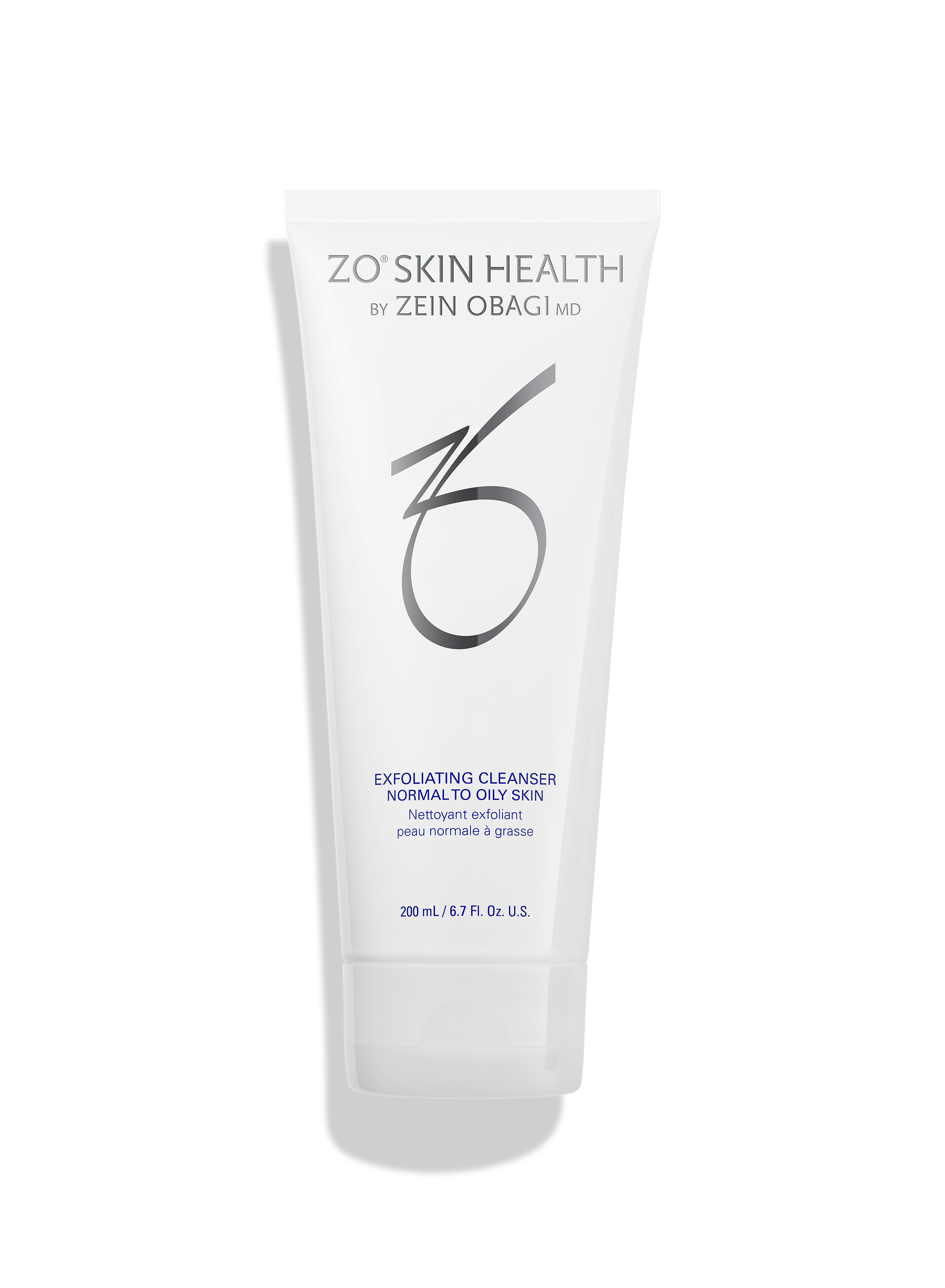
You’ve been told a lie about glowing skin. Most people think "glow" is something you scrub into existence with grit and high-percentage acids. But if you’re dealing with redness, rosacea, or that tight, "pulled" feeling every time you wash your face, that advice is basically a recipe for disaster. Finding a reliable exfoliating facial cleanser for sensitive skin is a bit like walking a tightrope. One wrong move and you’ve nuked your acid mantle.
It’s frustrating.
You want the smoothness. You want the pores to look smaller. But your skin screams the second you show it a physical scrub or a harsh glycolic wash. Honestly, most "sensitive skin" products on the market are either too weak to do anything or secretly loaded with fragrances that cause a flare-up three days later.
The big mistake most people make with sensitive exfoliation
Stop reaching for the apricot scrubs. Just stop. Those jagged walnut shells or seeds create micro-tears. While a "normal" skin type might bounce back, sensitive skin stays inflamed.
The real secret isn't about scrubbing harder; it's about chemical exfoliation at a lower, controlled pH. But even here, there's a trap. Most people hear "chemical exfoliant" and think of the 30% AHA peels they see on TikTok. If you have reactive skin, that’s like bringing a flamethrower to a birthday candle.
What you actually need is a "wash-off" treatment. This is why an exfoliating facial cleanser for sensitive skin is such a game-changer. Because the active ingredients only stay on your skin for 60 seconds before being rinsed away, you get the benefits of cell turnover without the prolonged irritation of a leave-on serum.
Polyhydroxy Acids: The unsung heroes
Have you heard of PHAs? If not, you’re missing out. Gluconolactone and lactobionic acid are the "big sisters" of AHAs like glycolic acid.
Here’s why they matter: their molecular structure is much larger.
Imagine trying to fit a beach ball through a mail slot. It’s not happening. Because PHAs have a larger molecular weight, they don't penetrate as deeply or as quickly as glycolic acid does. They stay on the surface. They gently unglue dead skin cells without causing that stinging, "spicy" sensation. Plus, they’re humectants, meaning they actually pull moisture into your skin while they work.
Most dermatologists, like Dr. Shari Marchbein, often point out that PHAs are the gold standard for patients who can’t handle traditional chemical exfoliants.
How to spot a fake "sensitive" cleanser
Marketing is tricky. A bottle can say "dermatologist tested" or "for sensitive skin" and still contain high amounts of denatured alcohol or synthetic fragrance.
When you’re looking at the ingredient list, you want to see things like:
- Betaine Salicylate: A gentler version of Salicylic acid.
- Colloidal Oatmeal: To soothe while the exfoliation happens.
- Ceramides: To repair the wall you’re currently cleaning.
If the second ingredient is Sodium Lauryl Sulfate (SLS), put it back. That’s a harsh surfactant that strips your natural oils. You want surfactants like Coco-Glucoside or Decyl Glucoside. They’re derived from sugar and are much, much kinder to a fragile skin barrier.
The "60-Second Rule" actually works
You can buy the best exfoliating facial cleanser for sensitive skin in the world, but if you splash it on and rinse it off in five seconds, you’ve wasted your money. The acids need time to work.
Try this tonight.
Apply your cleanser to damp skin. Massage it in very light, circular motions. Focus on the areas where you get congested—usually the nose and chin. Avoid the eye area entirely. Count to sixty. Then rinse with lukewarm water.
Not hot. Not cold. Lukewarm.
Extreme temperatures trigger vasodilation, which makes redness worse. By giving the cleanser a full minute, you’re allowing the enzymes or mild acids to actually dissolve the bonds between dead cells.
What about enzymes?
Fruit enzymes—like papain from papaya or bromelain from pineapple—are another solid choice. They don't mess with the pH of your skin as much as acids do. They basically "eat" the dead protein on the surface. It’s a very superficial exfoliation, but for someone with ultra-reactive skin or active eczema, it’s often the only way to get a smoother texture without a trip to the doctor for a steroid cream.
Real-world routine: Don't overdo it
Even with the gentlest exfoliating facial cleanser for sensitive skin, you shouldn't use it twice a day, every day. Start slow.
Maybe try it twice a week at night. See how your face looks the next morning. If you aren't red or peeling, you can move up to every other night. Some people can handle daily use, but honestly, most sensitive types find a "sweet spot" at 3 times a week.
Listen to your skin. If it stings when you apply your regular moisturizer, you've gone too far. Back off. Focus on hydration for three days, then try again.
The barrier-first mindset
We’ve become obsessed with "resurfacing." But your skin's primary job is to be a shield. When you use an exfoliating wash, you are intentionally thinning that shield slightly. You must put something back.
Look for a moisturizer with petrolatum, squalane, or glycerin. You want to seal the deal. If you exfoliate and then leave your skin bare, you’re inviting transepidermal water loss (TEWL). That’s how you end up with skin that looks shiny but feels dry and crinkly.
Common misconceptions about sensitive exfoliation
People think redness always means "allergy." Usually, it just means irritation.
Another big one: "I have oily skin, so I need to scrub."
Actually, if you have sensitive and oily skin, over-scrubbing can trigger "reactive seborrhea." Your skin thinks its oils are being stolen, so it overproduces grease to compensate. You end up in a cycle of being oily and flaky at the same time. Using a gentle BHA or PHA cleanser helps clear the oil without sending the skin into a panic mode.
Actionable steps for your next wash
Start by checking your current cleanser's pH if you can—anything above a 6.0 is probably too alkaline for you. Switch to a product specifically formulated with PHAs or Mandelic Acid if you want visible results without the burn.
Always patch test. I know it’s boring. Do it anyway. Put a little bit of the cleanser on the side of your neck for a minute, rinse it off, and wait 24 hours. If your neck doesn't turn into a tomato, your face is probably safe.
Keep your exfoliation limited to your evening routine. This gives your skin the whole night to recover in a dark, humid environment (your bed) before it has to face the sun and pollution of the day. And for the love of everything, wear sunscreen. Exfoliated skin is "new" skin, and new skin burns fast.
Focus on consistency over intensity. You'll see better results from a mild exfoliating facial cleanser for sensitive skin used regularly over three months than you will from one "hard" peel that leaves you hiding in the house for a week. Your skin is an organ, not a kitchen counter. Treat it with a bit of respect, and it’ll eventually give you that glow you’re looking for.