You’re on a balcony in Dubai. The sun is setting, the skyline looks incredible, and suddenly you see something streak across the sky. Your instinct is to grab your phone. You hit record. You think you’re capturing a piece of history or a viral moment. In reality, you might’ve just signed your own arrest warrant.
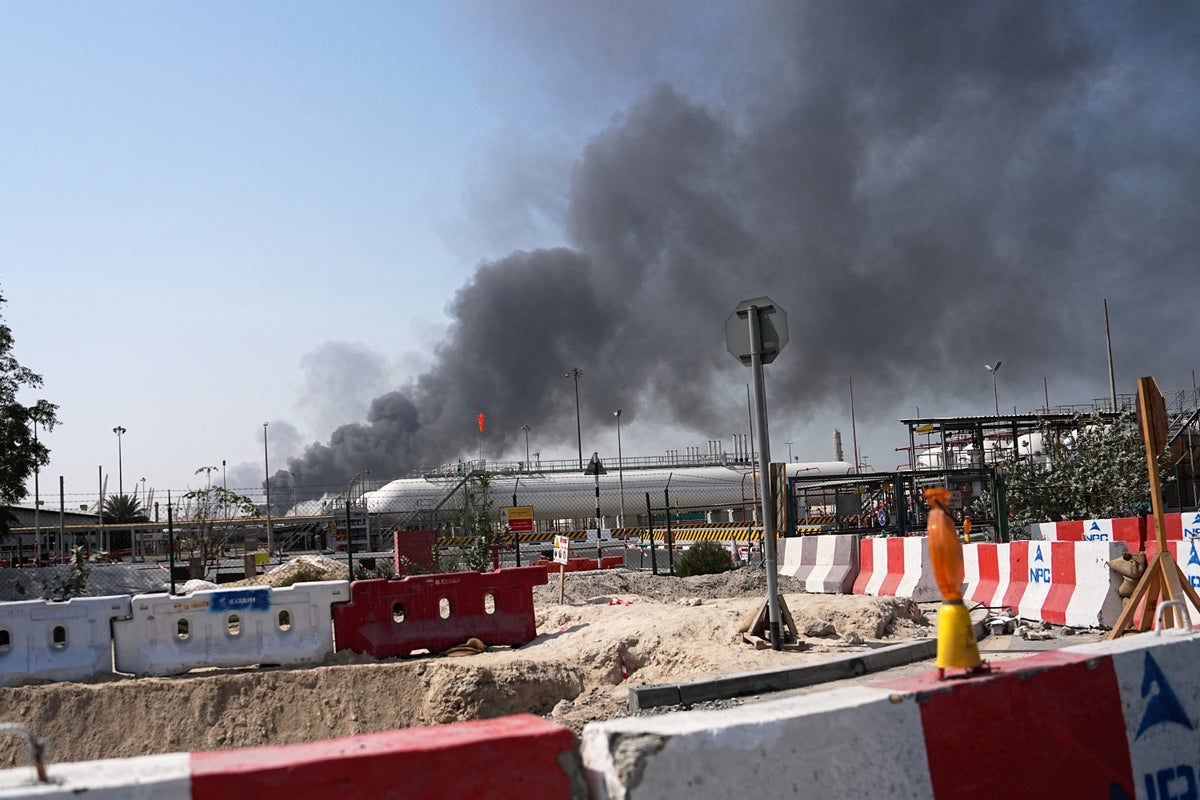
A British tourist recently found this out the hard way. He was detained by UAE authorities after filming what appeared to be Iranian missiles crossing the airspace during a period of regional escalation. It sounds like a scene from a spy thriller, but for the person sitting in a cell, it’s a bureaucratic and legal nightmare that doesn't resolve itself overnight.
The UAE has some of the strictest privacy and national security laws on the planet. What we consider "citizen journalism" in the West is often viewed as a criminal act there. If you’re traveling to the Gulf, you need to understand that your right to record ends the moment a government building, a military asset, or a "sensitive" event enters your viewfinder.
The legal trap of UAE Decree Law No 34
The United Arab Emirates doesn't play around with its digital image or its internal security. Most travelers assume that as long as they aren't taking photos of a "No Photography" sign, they’re safe. That’s a dangerous assumption.
Federal Decree-Law No. 34 of 2021 on Combatting Rumors and Cybercrimes is a massive piece of legislation. It covers everything from online insults to "spreading false news." More importantly, it grants authorities the power to arrest anyone filming "sensitive" installations or events that could harm the state’s reputation or security.
When those Iranian missiles flew over the region, the UAE government didn't want unofficial footage circulating. They want control over the narrative. By filming the projectiles, the British tourist inadvertently waded into a national security issue. In the eyes of local prosecutors, that footage isn't a souvenir. It’s potential intelligence or a breach of public order.
Why the Burj Khalifa isn't the only thing they're watching
Most people know you shouldn't photograph palaces or military bases. Those are obvious. But the definition of "sensitive" is incredibly fluid in Dubai.
I've seen people get in trouble for filming accidents on the Sheikh Zayed Road. I've seen tourists questioned for taking photos near embassies or even certain government-owned infrastructure like power plants and water desalination facilities.
When the missiles appeared in the sky, they became "sensitive military information." If you post that video to X or Instagram, you aren't just sharing a cool clip. You’re technically distributing information about the country’s defense vulnerabilities or the effectiveness of its monitoring systems.
The police in Dubai are tech-savvy. They monitor social media hashtags and locations in real-time. If you upload a video that triggers their security algorithms, they don't need a long investigation to find you. Your GPS data and the hotel Wi-Fi you used to upload the clip do the work for them.
The reality of being detained in Dubai
Don't expect a quick phone call to the embassy to fix everything. While the British Foreign, Commonwealth & Development Office (FCDO) can provide a list of local lawyers and contact your family, they can't get you out of jail. They can't interfere in the UAE’s judicial process.
If you’re arrested for filming, your phone is confiscated immediately. It becomes evidence. You might be held for days or weeks without a formal charge while the Public Prosecution "investigates." During this time, you're navigating a legal system conducted entirely in Arabic. If you don't speak the language, you’re relying on translators who may or may not capture the nuances of your defense.
Bail isn't a guarantee. For "security-related" offenses, the authorities often keep your passport even if they let you out of the cell. You're stuck in a luxury city you can't leave, paying for hotels while your bank account drains and your job back home hangs by a thread.
Common photography mistakes tourists make in the UAE
It isn't just missiles. People get caught up in the law for seemingly innocent things every single day.
- Filming people without permission: It’s illegal to take a photo of someone and post it online without their explicit consent. If they’re in the background of your "vlog" and they complain, you’re liable.
- Government buildings: This includes everything from police stations to nondescript administrative offices.
- Aviation and ports: Taking photos of planes at Dubai International (DXB) or ships at Port Rashid can lead to an awkward conversation with security.
- Accidents and fires: Never, ever film an emergency scene. The UAE government views this as a violation of the privacy of the victims and a threat to public calm.
What to do if you're stopped by police
If a police officer or a plainclothes official approaches you about your filming, your reaction dictates your next six months. This is not the time to argue about "freedom of the press" or your rights as a British citizen.
First, stay calm and be respectful. Aggression is a separate criminal offense in the UAE. If they ask to see your phone, refusing can be seen as obstruction. Many people think they can just delete the video, but deleted files can be recovered by forensic teams.
Second, don't sign anything you don't understand. If they present a document in Arabic and tell you it’s "just a statement," insist on a legal translation. Signing a confession you can't read is the fastest way to a conviction.
Third, contact your consulate immediately. They can't provide legal advice, but they can ensure you aren't being mistreated and can help you navigate the initial shock of the detention system.
The high price of a viral video
The British tourist at the center of this story likely didn't have malicious intent. Most tourists don't. They’re just used to a world where everything is content. But in the Middle East, content has consequences.
The UAE is a beautiful, modern, and generally safe place to visit. It’s also a sovereign nation with a very specific set of rules regarding how its image and security are managed. When you enter the country, you agree to those rules, whether you've read the fine print or not.
Before you point your camera at something unusual in the sky or on the street, ask yourself if that 15-second clip is worth a multi-year travel ban or a stint in a desert prison. Usually, the answer is no.
Keep your phone in your pocket when things get "interesting." If it looks like a military event, a police action, or a security incident, it's not a photo op. It's a signal to walk the other way.
If you're planning a trip soon, check the latest FCDO travel advice for the UAE. Read the section on local laws and customs. Don't assume that because Dubai looks like Las Vegas or London, it functions the same way. It doesn't.
Pack your camera, but use it for the sand dunes and the gold souks. Leave the "breaking news" to the professionals.