The asphalt in Galesburg, Illinois, feels different than the pavement in Mountain View. In the Midwest, the roads tell stories of heavy hauls and decades of salt; in the valley, they feel like temporary conduits for electric vehicles and optimism. To understand the "New Middle," you have to stand in the space between these two worlds and feel the friction.
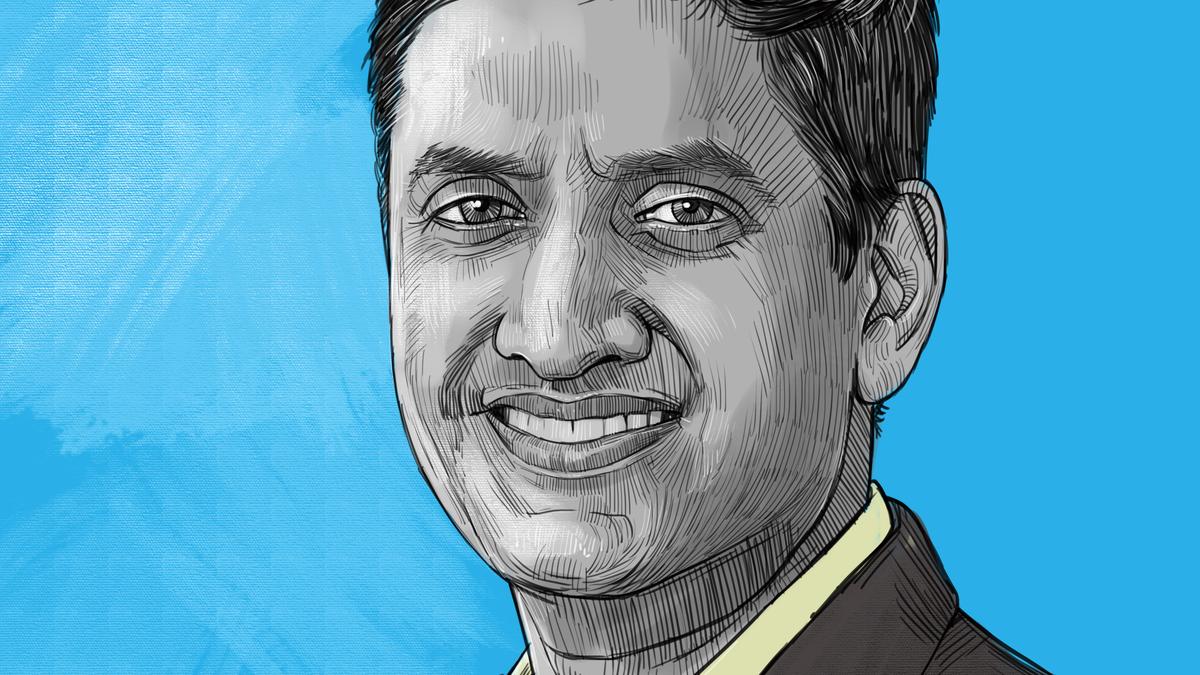
Representative Ro Khanna often speaks of a bridge. But a bridge is a cold, steel thing. What we are actually talking about is a transplant—taking the heart of the digital revolution and sewing it into the chest of the American industrial belt. It is an operation fraught with the risk of rejection.
Consider a man we will call Elias. Elias spent twenty-two years at a refrigeration plant. He knew the rhythm of the line like his own heartbeat. When the plant shuttered, the silence wasn't just quiet; it was deafening. It was a physical weight. For Elias, the "digital economy" wasn't a promise. It was a ghost story told by people in slim-fit suits who had never ruined a pair of work boots in their lives.
This is the divide. It isn't just about money. It’s about dignity.
The Great Decoupling
For thirty years, the United States operated under a silent, brutal agreement. The coasts would handle the thinking, the coding, and the financing. The middle of the country—and eventually, nations across the ocean—would handle the making. We decoupled the "idea" from the "object."
We grew rich, certainly. But we became brittle.
When the supply chains snapped like dry twigs a few years ago, we realized that you cannot run a superpower on software alone. You need steel. You need semiconductors. You need the ability to touch the things you sell. The "New Middle" isn't a political slogan; it is a desperate, necessary pivot back toward the physical world.
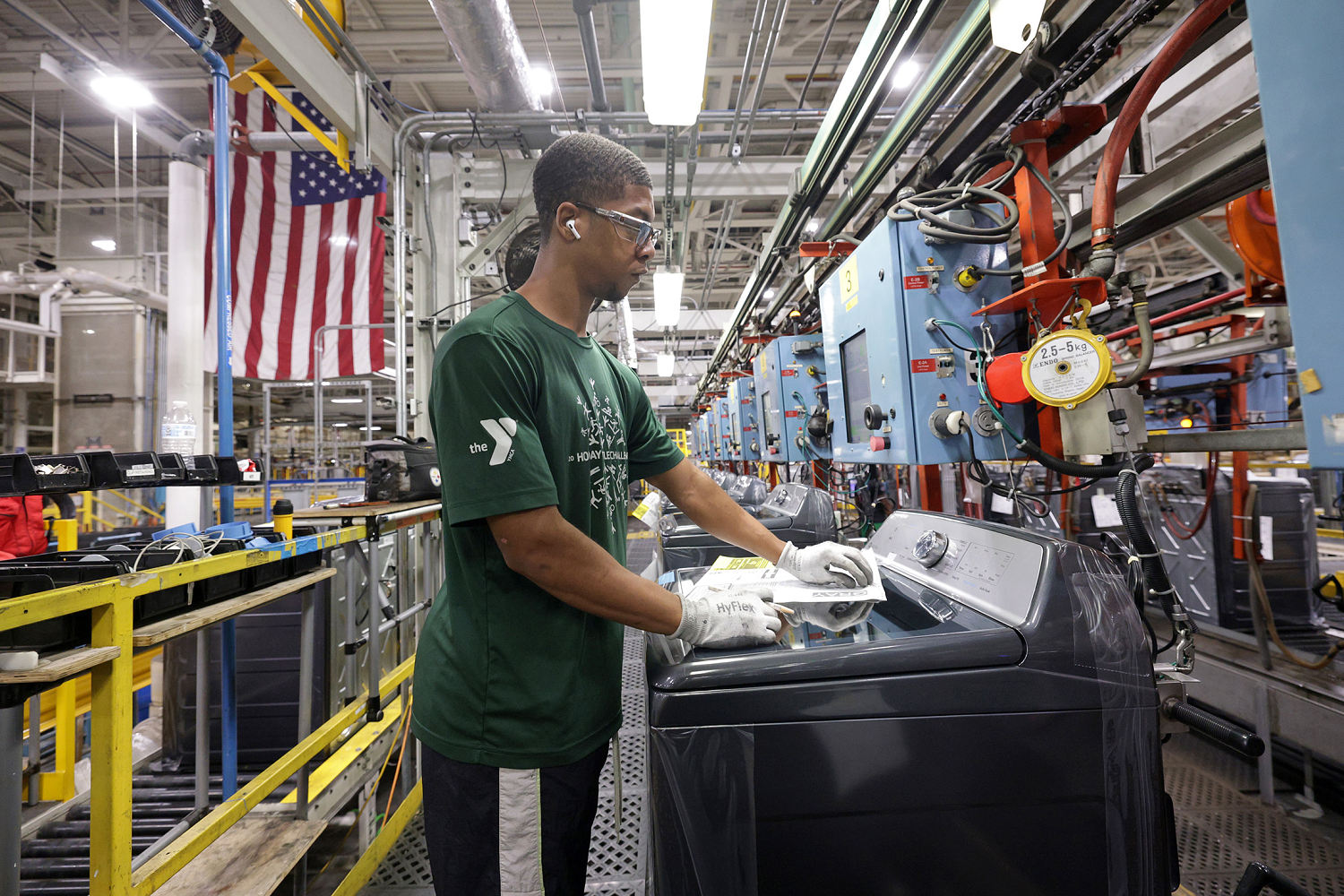
The goal is to distribute the wealth of the technological age—not through handouts, but through the hard, grinding work of production. We are talking about $20 billion investments in semiconductor plants in Ohio. We are talking about battery factories in Georgia.
But the money is the easy part.
The hard part is the culture. You cannot simply drop a multi-billion dollar "fab" into a cornfield and expect the local ecosystem to thrive. You have to convince the next generation that stayng in their hometown to build the future of AI hardware is just as prestigious as moving to San Francisco to build an app that delivers laundry.
The Ghost in the Machine
We often hear that automation is the enemy of the worker. This is a half-truth that masks a deeper reality.
In a small tool-and-die shop in Pennsylvania, a third-generation owner recently installed a robotic arm. He didn't do it to fire his three employees. He did it because he couldn't find a fourth, and the three he had were exhausted. The robot didn't steal a job; it saved a business.
This is the nuance we miss when we debate policy from thirty thousand feet. When Ro Khanna discusses "democratizing" technology, he is arguing for a world where the person operating that robotic arm has the same economic security and social capital as the person who programmed it.
The Geography of Opportunity
Right now, the geography of the American dream is skewed. If you are born in a zip code with a high density of fiber-optic cables and venture capital, your path is paved. If you are born in a town where the main employer is a distribution center, your path is a treadmill.
The New Middle seeks to flatten this.
By incentivizing companies to build in "left-behind" places, we aren't just creating jobs. We are creating "clusters." Think of the way a single large oak tree supports an entire hidden world of moss, insects, and birds. A semiconductor plant is that oak tree. It requires specialized plumbers. It needs local caterers. It demands new schools and updated power grids.
It anchors a community.
The Human Cost of Disruption
Let’s be vulnerable about the math.
The transition is messy. We talk about "reskilling" as if it’s as simple as downloading a software update to a human brain. It isn't. To a fifty-year-old worker who has mastered a craft, being told to "learn to code" feels like an insult. It feels like being told your entire life’s work was a fluke.
The narrative of the New Middle has to be more respectful than that.
It has to be about augmentation, not replacement. We need to build tools that allow the veteran welder to use augmented reality to perform complex underwater repairs. We need to use AI to help the small-scale farmer in Iowa optimize crop yields without needing a PhD in data science.
The technology must serve the person. Not the other way around.
The Silicon Prairie
There is a myth that the Midwest is a stagnant place waiting to be saved. This is a lie born of coastal ignorance.
The Midwest has always been the center of American innovation. This is the land of the Wright Brothers. This is where the assembly line was perfected. The "New Middle" isn't bringing fire to the cavemen; it’s handing a torch to the people who invented the lantern.
When we look at the rise of "Silicon Prairie" hubs in places like Columbus, Indianapolis, or Des Moines, we see a different kind of tech culture. It’s less "move fast and break things" and more "build things that last."
It’s pragmatic.
It’s focused on B2B solutions, logistics, and ag-tech. It’s technology that solves boring, expensive, real-world problems. And because these problems are real, the jobs they create are more stable. They aren't dependent on the whims of a social media algorithm or the next trend in "finfluencer" marketing.
The Invisible Stakes
If we fail to integrate the digital economy with the physical heartland, the consequence isn't just economic decline. It’s a total fracturing of the national psyche.
When people feel like the future belongs to someone else—someone who speaks a different language of "disruption" and "synergy"—they stop believing in the system. They turn inward. They become susceptible to the siren songs of those who promise to bring back a past that no longer exists.
The New Middle is the only viable alternative to nostalgia.
It offers a future that looks like the past in one specific, crucial way: a person can work a job with their hands, in the town where they were born, and earn enough to buy a home, raise a family, and retire with their head held high.
The Shift in Power
For decades, power was concentrated in the "C-suite" and the "Sand Hill Road" boardroom. The New Middle proposes a shift.
By bringing high-tech manufacturing back to US soil, we are reclaiming sovereignty. We are saying that we will not be a nation of mere consumers, scrolling through feeds while our physical infrastructure crumbles.
We are becoming a nation of makers again.
This requires a new kind of education. Not just four-year degrees that leave students drowning in debt, but intensive, high-tech apprenticeships. We need to treat a master technician at a chip plant with the same reverence we accord to a senior software engineer at Google.
The Realignment
Imagine a graduation ceremony at a community college in a town that used to be a "rust" town.
The graduates aren't just getting certificates. They are stepping into roles that didn't exist five years ago. They are "Cobot" technicians. They are sustainable energy grid managers. They are the frontline of a new industrial revolution.
One of them is Elias’s daughter.
She isn't moving to New York or Seattle. She’s staying. She bought a house three miles from the old, silent refrigeration plant. But her house is powered by a local solar farm, and her paycheck comes from a company that exports components to the entire world.
She is the bridge.
The friction between the asphalt of the Midwest and the silicon of the Valley is finally starting to generate heat instead of just noise. It’s the heat of a furnace. It’s the heat of a weld. It’s the heat of a country finally beginning to remember how to build its own future, piece by agonizing piece, in the places we almost forgot.
The "New Middle" isn't a destination we’ve reached. It’s the sound of the machines turning back on.