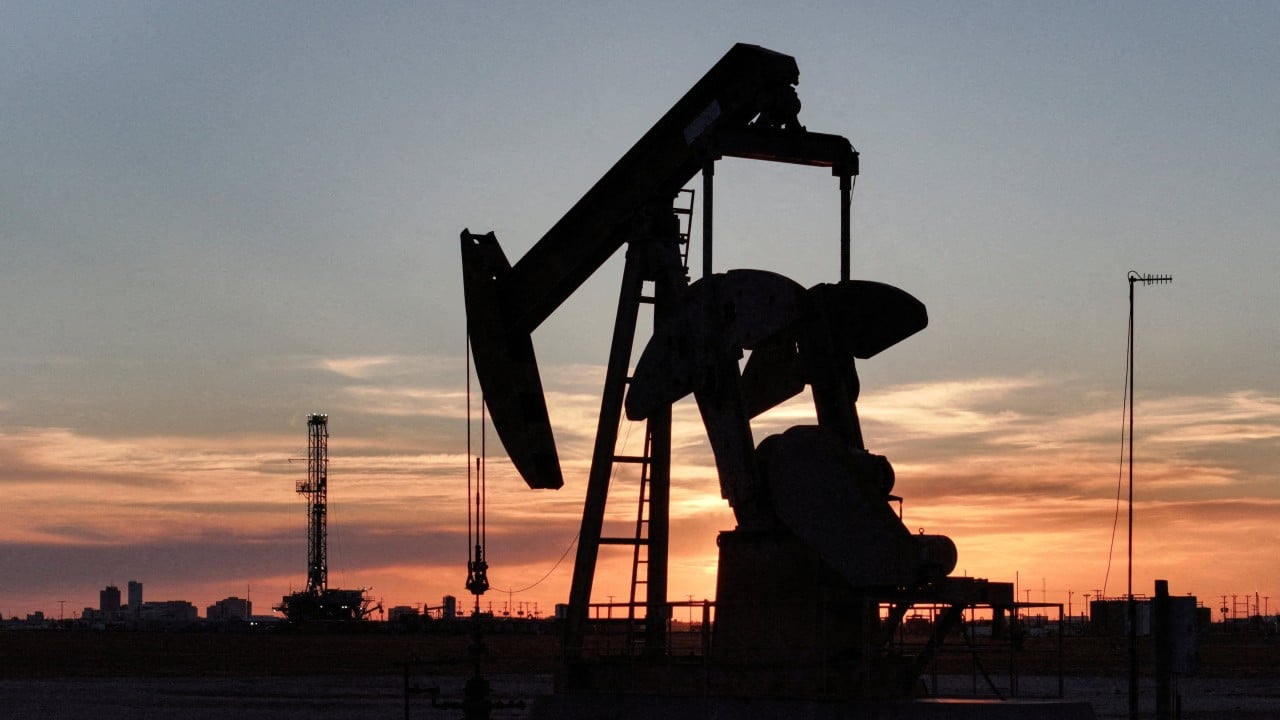
Five European Union finance ministers are demanding a bloc-wide windfall tax on energy corporations to combat the crushing price spikes triggered by the war in Iran. In a joint letter sent to the European Commission, the finance chiefs of Germany, Italy, Spain, Portugal, and Austria argued that companies capitalizing on war-driven market distortions must help shoulder the financial burden falling on citizens. The move attempts to replicate the emergency "solidarity contributions" levied after the 2022 invasion of Ukraine.
But this coordinated push exposes a much deeper crisis. Europe is attempting to use a blunt fiscal instrument to fix a profound, structural vulnerability that it failed to resolve after the last energy shock. The proposed tax is not just a matter of fairness. It is a desperate attempt to prevent soaring fuel costs from triggering a wave of industrial bankruptcies and severe consumer stagflation across the Eurozone.
The Illusion of Energy Sovereignty
When the United States and Israel launched strikes on Iran on February 28, the global energy apparatus fractured almost immediately. Tehran's subsequent blockade of the Strait of Hormuz choked off a corridor that typically handles 20% of the world's petroleum and liquefied natural gas.
European natural gas prices surged by more than 70% in the first five weeks of the conflict.
This price shock arrived despite the continent's aggressive post-2022 rollout of wind, solar, and heat pumps. Politicians previously bragged about breaking their dependence on Russian gas, yet they merely traded one external vulnerability for another. Europe remains a massive net importer of fossil fuels. Because natural gas still sets the marginal price for electricity in the European grid, a spike in gas prices automatically doubles the cost of generating power, even if that power comes from a domestic wind farm.
The five finance ministers are pointing at the balance sheets of Big Oil and gas utilities, noting that corporate giants are racking up billions in unearned margins simply because geography and warfare locked down global supply. The market capitalization of the top North Sea drillers alone jumped by tens of billions within a month of the initial strikes.
To the ministers, a windfall tax is the obvious fix. It captures the unearned "war profits" and redistributes them to subsidize household heating and fuel bills.
The reality is far more complex.
Why the 2022 Playbook is Broken
The European Commission is moving quickly to evaluate the proposal, but mimicking the 2022 response is a dangerous gamble. Four years ago, the EU implemented a temporary levy on fossil fuel companies, taxing profits that exceeded 20% of the previous four-year average.
The mechanism was riddled with flaws that energy executives quickly exploited.
- Jurisdictional Arbitrage: Multinational energy giants successfully booked profits in non-EU subsidiaries or shifted trading operations to lighter tax environments, leaving European treasuries with far less revenue than projected.
- Chilled Investment: Windfall taxes are historically retroactive and unpredictable. Major energy infrastructure projects require decades of planning and capital commitment. When governments normalize the practice of seizing profits during high-cycle years, boards of directors simply move their capital to markets with stable tax codes.
- Litigation Quagmires: The 2022 taxes sparked dozens of lawsuits from energy firms claiming the levies were illegal asset seizures. Many of those cases are still clogging European courts.
The finance ministers of the five nations acknowledge this legal minefield. In their letter, they explicitly urged Climate Commissioner Wopke Hoekstra to build a "solid legal basis" to avoid the domestic litigation that paralyzed previous efforts.
Yet, demanding a legally bulletproof, bloc-wide tax in the middle of a shooting war is a fantasy. The EU's 27 member states possess vastly different energy mixes and opposing economic incentives. France, heavily reliant on nuclear power, views the crisis differently than Germany, which shuttered its nuclear plants and remains deeply exposed to gas volatility. Passing a unified tax structure usually takes months, if not years, of bitter bureaucratic infighting.
The Real Winners of the Hormuz Blockade
While European politicians draft letters and debate tax percentages, the physical flow of energy is rearranging itself in ways that a European tax cannot touch.
Independent analysts point out that while European consumers pay inflated benchmark rates, energy commodities are not actually disappearing. They are just being rerouted. For instance, some tankers carrying Iranian crude have been diverted to Asian markets at steep discounts, while European buyers scramble to pay top dollar for replacement cargoes from the United States and West Africa.
A windfall tax confined to corporations operating within the EU borders completely misses the traders, national oil companies, and shipping conglomerates operating in the grey markets of international waters.
If the European Commission pushes forward with a heavy tax on domestic energy suppliers without addressing the broader supply chain, it risks accelerating a domestic industrial exodus. High energy costs have already forced chemical plants, steel mills, and fertilizer producers in Germany and Italy to curb production. Piling additional taxes on the energy sector without a guarantee that those funds will directly lower industrial power rates will simply push those manufacturers to relocate to the United States or the Middle East, where energy is cheap and abundant.
The Futility of Targeted Subsidies
The ultimate goal of the finance ministers is to use tax revenues to fund consumer relief and curb inflation. But subsidizing energy consumption during a supply shortage is an economic paradox.
Subsidies keep demand artificially high. When governments hand out cash or tax cuts to help citizens pay their energy bills, citizens continue to use the same amount of fuel. If supply remains constrained by the closure of the Strait of Hormuz, maintaining high demand only ensures that market prices stay elevated.
Instead of fixing the crisis, untargeted energy subsidies burn through public finances while keeping fossil fuel producers rich. It is a circular flow of capital where taxpayer money is channeled through government relief programs directly back into the pockets of the energy companies.
The only sustainable path forward is a brutal reduction in fossil fuel demand and a massive upgrade to grid infrastructure.
The European Commission has floated proposals to cut electricity taxes and reduce grid charges for heavy industries. These are superior alternatives to direct cash subsidies because they incentivize electrification and lower the baseline cost of doing business. But they do not solve the immediate problem of refilling Europe's gas storage facilities before the next winter.
Reaching the standard 80% refilling target by November will require purchasing incredibly expensive LNG on the open market. Doing so while simultaneously threatening those same suppliers with a massive windfall tax is a strategy bound to produce friction.
Governments cannot tax their way out of a physical commodity shortage caused by military blockades. They can only manage the pain or accelerate the transition away from the commodity entirely. Ending the debate with a moral argument about "fairness" feels good to voters, but it does nothing to alter the hard physics of European energy insecurity.
The true test for Brussels is not whether it can successfully levy a tax on corporate profits, but whether it can finally build an energy grid that does not collapse every time a missile is fired in the Middle East.
To understand how this crisis is reshaping corporate power, look at the lobbying efforts currently taking place in London and Brussels. Major fossil fuel producers are citing the war as a justification to demand the opening of controversial new oilfields in the North Sea. They are arguing that domestic production is the only answer to foreign volatility, effectively using the crisis to roll back climate commitments. European leadership must decide if they are willing to grant those concessions or if they will force the industry to pay for the transition.