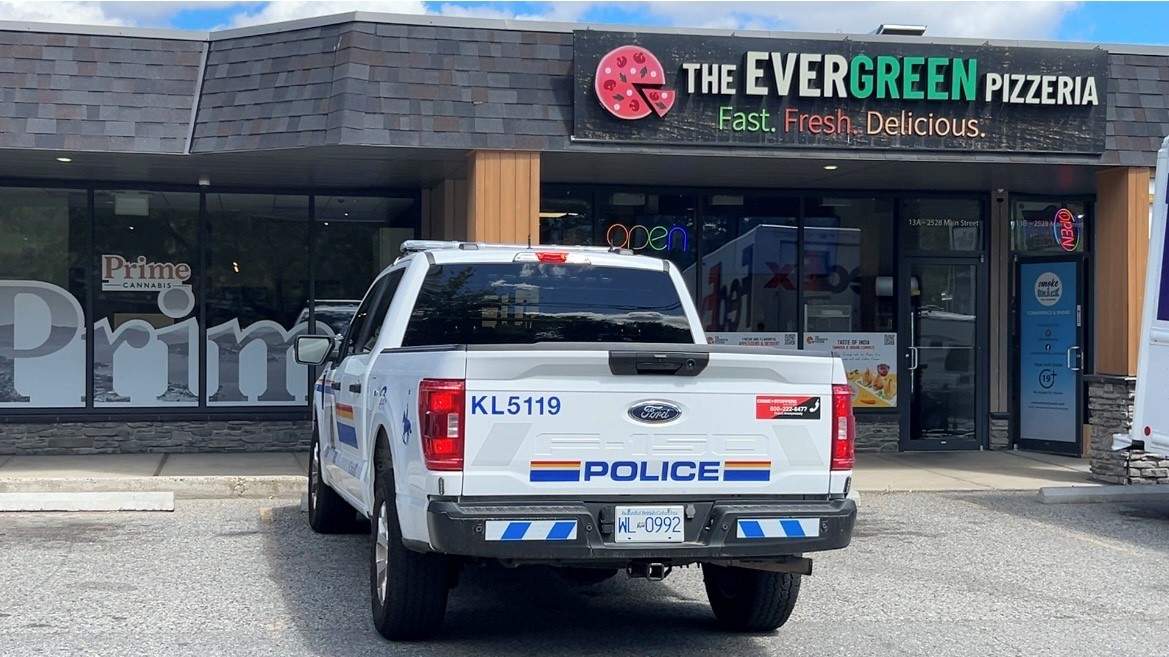
The modern small business economy operates on highly optimized, low-margin digital infrastructure. When a viral internet trend or coordinated digital prank targets a localized service provider, it does not merely disrupt an afternoon of operations; it inflicts measurable financial damage across multiple vectors. The incident involving a West Kelowna pizza establishment, where bad actors placed fraudulent high-volume orders under the guise of a prank, exposes a critical vulnerability in standard Point of Sale (POS) systems and operational workflows.
This analysis deconstructs the mechanisms of digital harassment, maps the exact cost functions borne by small enterprises, and outlines structural defenses required to insulate service-oriented businesses from asymmetric operational threats.
The Tri-Phasic Cost Function of Fraudulent Order Surges
When a business falls victim to an orchestrated prank involving fake orders, standard financial reporting often misclassifies the event as a simple loss of inventory. A rigorous economic breakdown reveals three distinct layers of capital and labor destruction.
Total Economic Loss = Direct Sunk Capital + Opportunity Cost of Capacity + Brand Equity Erosion
1. Direct Sunk Capital (The Primary Loss)
The most immediate damage occurs at the ingredient and labor level. Unlike durable goods, prepared food has an immediate expiration window.
- Perishable Inventory Write-off: Raw materials are converted into specific, non-reusable assets. Once dough is stretched, sauced, and baked, the input commodities (flour, cheese, proteins) lose 100% of their liquidable value.
- Unrecoverable Labor Expense: Staff hours are consumed to fulfill the fraudulent demand. Because food service labor is calculated dynamically against projected hourly revenue, dedicating man-hours to zero-dollar transactions inflates the labor-to-sales ratio, permanently damaging the week's operational margins.
- Packaging and Overhead Consumables: Boxes, liners, and thermal storage assets are committed to the order, representing a total loss of secondary supply inventory.
2. Opportunity Cost of Capacity Bottlenecks
Every kitchen has a fixed thermodynamic and physical limit defined by oven throughput, counter space, and active line cooks. This is the maximum operational capacity.
When malicious actors flood the order queue, they trigger an artificial demand spike. This spike occupies 100% of the available production capacity. Genuine, revenue-generating customers encounter artificially inflated lead times or find the system entirely inaccessible. The business experiences a total displacement of real revenue by phantom revenue. Because capacity cannot be recovered retroactively, the revenue lost during that operational bottleneck is gone forever.
3. Brand Equity and Algorithmic Erosion
Modern food service relies heavily on third-party aggregators (UberEats, SkipTheDishes, DoorDash) and digital discovery platforms (Google Maps, Yelp). Coordinated pranks frequently cross over into digital vandalism, where perpetrators leave waves of unverified one-star reviews to supplement the operational chaos.
- Algorithmic Downranking: Search and delivery algorithms penalize merchants with sudden order cancellation spikes or a cluster of negative reviews. A drop of even 0.2 points on a primary platform directly correlates with a reduction in organic customer acquisition.
- Customer Retention Damage: Legitimate patrons caught in the operational crossfire experience delayed deliveries or cancelled orders, fracturing trust and reducing customer lifetime value (LTV).
The Asymmetry of Digital Harassment
The fundamental structural flaw confronting small businesses is the extreme asymmetry of engagement. For a bad actor, the marginal cost of initiating a disruptive event approaches zero. Utilizing VoIP numbers, temporary email addresses, or automated scripts, an individual can generate thousands of dollars in operational friction within minutes.
Conversely, the business owner faces a high-cost defense paradigm. They must deploy human capital to verify orders, cross-reference phone numbers, and manually audit transactions, which slows down the entire fulfillment pipeline.
The West Kelowna incident highlights a systemic failure in the standard digital onboarding process for local customers. Most independent restaurants operate on trust-based, pay-at-pickup models for phone orders to lower the barrier to entry for consumers. This omission of upfront friction creates an unmitigated vector for financial exploitation.
Structural Defense Frameworks for Local Retail
To mitigate the risk of viral pranks and malicious order influxes, businesses must transition from an open-trust model to a zero-trust operational framework. Implementing these protocols requires balancing security friction against user experience.
Tier 1: Digital Gatekeeping and Authentication
The phone line is historically the weakest link in the order capture pipeline. Transitioning traffic toward authenticated channels reduces anonymous attack vectors.
- Mandatory Card-on-File for High-Value Orders: Any order exceeding a specific financial threshold (e.g., $50) must require pre-authorization via a digital payment gateway. This instantly shifts the financial risk back to the consumer.
- SMS Verification Loops: For phone orders placed from unrecognized numbers, implementing a simple automated SMS confirmation tool verifies the validity of the line. If the number is a non-fixed VoIP or burner application, the system should flag the order for manual managerial review.
- Geofencing IP Restrictions: For online ordering systems, blocking traffic routing through known VPN nodes or locations outside the viable delivery/pickup radius mitigates remote, non-local harassment campaigns.
Tier 2: Operational Throttle Limits
POS systems should not operate on an infinite queue model. They must include algorithmic bounds to protect physical infrastructure.
| Parameter | Configuration Strategy | Operational Outcome |
|---|---|---|
| Max Orders Per Number/IP | Cap velocity at 2 orders per hour per unique identifier. | Prevents rapid-fire queue stuffing from a single source. |
| Volumetric Queue Throttling | Trigger manual approval when hourly volume exceeds 150% of the rolling 4-week average. | Allows management to halt production before inventory is wasted. |
| Anomalous Composition Flares | Flag orders containing identical items in extreme multiples (e.g., 20 identical large pizzas). | Catches classic prank patterns before execution. |
The Legal and Regulatory Void
A critical bottleneck in resolving digital pranks is the inability of local law enforcement frameworks to effectively address non-physical property damage. Standard statutes surrounding mischief or fraud often require a high threshold of monetary loss or explicit physical threat before triggering investigative resources.
Furthermore, telecommunications protocols allow for easy spoofing of Caller ID metrics, leaving small business owners with minimal recourse when attempting to identify perpetrators. Until platform providers and telecom networks enforce stricter identity verification at the point of origin, the burden of defense remains entirely decentralized, forcing individual proprietors to act as their own cybersecurity analysts.
Strategic Action Plan for High-Risk Service Providers
Businesses operating in high-visibility local markets or those experiencing sudden viral exposure must immediately audit their exposure to transaction fraud. The following sequential protocol should be deployed to harden operational infrastructure against targeted disruption:
- Decouple the Order Pipeline: Separate the order-taking interface from the production queue. No order from an unverified or unpaid source should ever populate the kitchen display system (KDS).
- Establish an Instant-Halt Protocol: Train frontline staff on the explicit indicators of an ongoing digital attack (e.g., simultaneous ringing lines, identical large orders, repetitive vague names). Empower supervisors to freeze digital ordering channels instantly without waiting for executive approval.
- Archive and Quantify for Legal Recourse: Document every fraudulent transaction, cross-reference IP logs, and secure CCTV footage of any attempted pickups. If losses exceed small-claims thresholds, this data package is vital for filing comprehensive insurance claims under business interruption policies or pursuing civil litigation for tortious interference.
- Transition to Digital-First Inventory Ingestion: Shift the baseline customer habit toward mobile apps or web portals that utilize tokenized payment systems (such as Apple Pay or Google Pay), systematically phasing out anonymous cash-on-delivery options for all non-regular clientele.