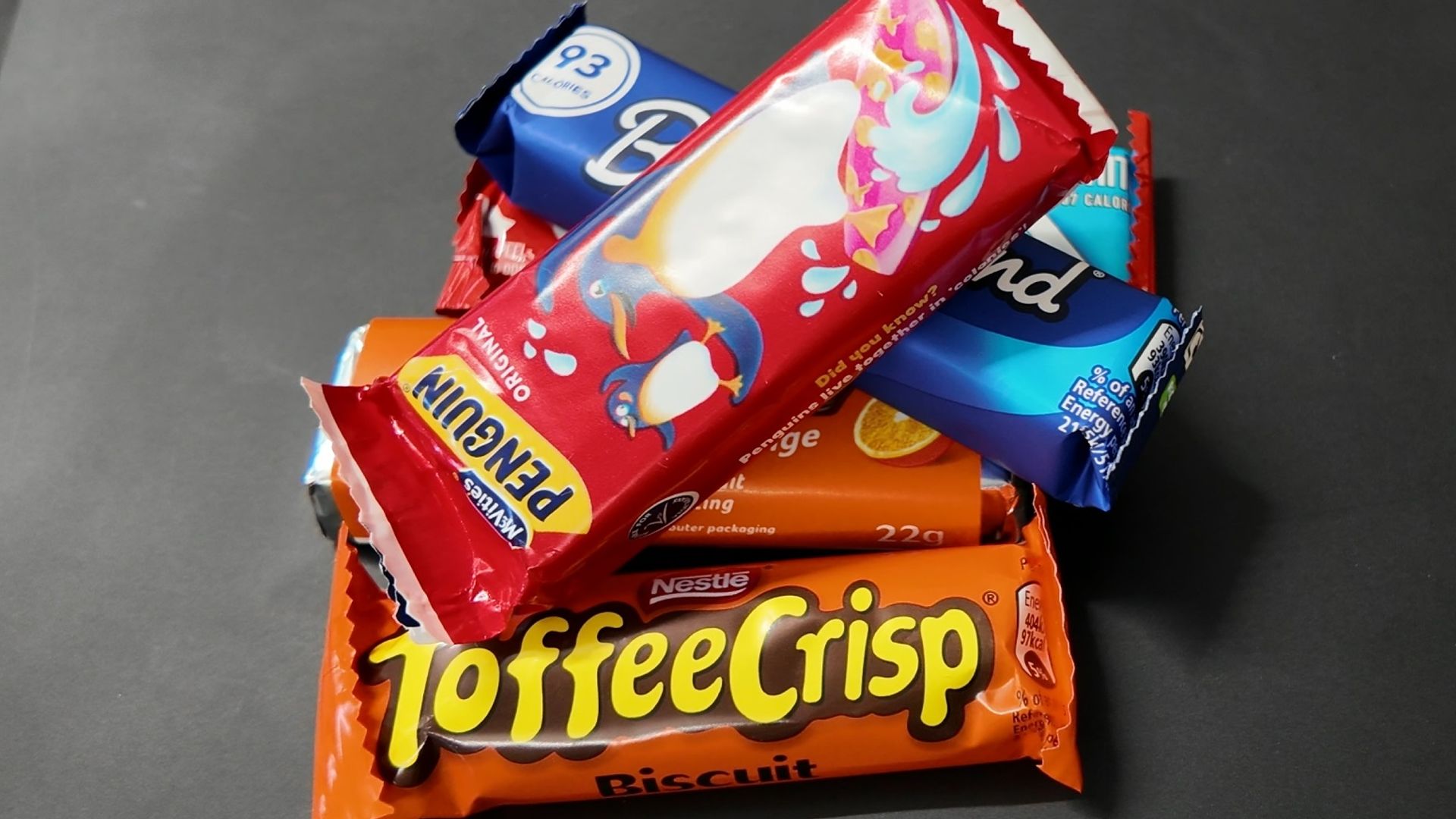
The global chocolate market is undergoing a structural pivot driven by a supply-side crisis that has rendered the traditional high-volume, low-margin "big bar" model economically unsustainable. Retailers and manufacturers are not merely reacting to inflation; they are re-engineering the consumer value proposition by shifting toward portion-controlled packaging and complex flavor profiles to mask the diminishing presence of raw cocoa solids. This transformation is governed by three specific economic levers: the volatility of the Cocoa Input Index, the psychology of unit-price perception, and the higher margins associated with inclusion-based (flavored) formulations.
The Cocoa Input Crisis: A Structural Bottleneck
The primary driver of current market shifts is the collapse of the supply-side buffer in West Africa, specifically Côte d’Ivoire and Ghana, which account for nearly 70% of global production. Systematic underinvestment in tree stock, coupled with the spread of swollen shoot virus and unpredictable precipitation patterns, has decoupled cocoa prices from historical averages.
When the cost of raw cocoa liquor and butter exceeds the threshold of manageable operating expenses, manufacturers face a "purity tax." Standard milk chocolate, which requires high percentages of cocoa mass, becomes the least profitable SKU in a portfolio. To protect EBITDA margins, firms are forced into a strategy of Product De-contenting. This involves reducing the ratio of cocoa-based ingredients in favor of:
- Increased sugar and vegetable oil binders: Lowering the melting point but significantly reducing the cost per gram.
- Inclusions: Adding nuts, honeycomb, fruit, or biscuit pieces. These fillers displace cocoa mass while allowing the manufacturer to market the product as a "premium" flavor innovation.
- Aeration: Introducing gas bubbles into the chocolate structure to increase volume without increasing mass.
The Psychology of the Small Pack: Unit Price vs. Threshold Spend
Shrinkflation is often framed as a deceptive practice, but from a strategic standpoint, it is a response to Price Threshold Resistance. Consumers maintain a mental "price anchor" for a confectionery treat—typically a round number like $1.50 or £1.00. Once a standard bar exceeds this anchor, volume drops precipitously regardless of the value-per-gram.
By reducing the net weight of a bar from 110g to 90g while maintaining the price point, manufacturers preserve the "impulse buy" velocity. This creates a divergence between nominal price (the price on the tag) and effective price (the price per kilogram).
The Unit Price Elasticity Model
The effectiveness of this strategy depends on the consumer's inability to calculate real-time value comparisons at the point of sale. Manufacturers exploit this cognitive load by:
- Changing Packaging Dimensions: Making a package taller or wider but thinner to maintain "shelf presence" despite lower volume.
- Multipack Proliferation: Shifting focus from single large bars to "snack-sized" packs. This allows for a higher price-per-gram because the consumer perceives they are paying for the "utility of portion control."
The Flavor Pivot: Margin Protection Through Complexity
The rise of "flavour" bars—salted caramel, chili, sourdough, or botanical infusions—serves a dual purpose. Beyond the obvious marketing appeal of novelty, these products are high-margin defensive plays.
Inclusion Economics
The cost of 10 grams of sea salt or synthetic caramel flavoring is a fraction of the cost of 10 grams of cocoa butter. When a brand launches a "Salted Caramel Limited Edition," they are effectively selling a product with a lower cocoa-to-fill ratio at a higher price premium. This is Flavor-Induced Margin Expansion.
Furthermore, complex flavors trigger a different sensory response than pure chocolate. They move the product from the "commodity" category (where price sensitivity is high) to the "experience" category (where price sensitivity is lower). A consumer might balk at paying $4.00 for a plain milk chocolate bar but will readily pay $4.50 for a "Single-Origin Madagascar with Sea Salt" because the added complexity justifies the spend in their internal value-accounting system.
The Operational Reality of Retail Real Estate
Retailers are complicit in the shift toward smaller, flavored formats because of Sales Velocity per Square Foot. Large, expensive bars take up significant shelf space and move slower in a high-interest-rate environment where disposable income is squeezed.
- Inventory Turnover: Smaller packs move faster, ensuring fresher stock and more frequent re-orders.
- The Checkout Powerhouse: Confectionery is the ultimate impulse category. Small, "affordable" flavored bars are perfectly sized for the high-conversion real estate of the checkout aisle.
- The "Little Luxury" Effect: During economic downturns, consumers forgo large-scale luxuries (cars, vacations) but increase spending on "attainable" indulgences. A $2.00 artisanal flavored bar fits this niche perfectly, whereas a $10.00 bulk bar feels like an unnecessary grocery expense.
Structural Limitations and Consumer Fatigue
While these strategies are effective in the short term, they face a "Diminishing Returns" ceiling. There is a physical limit to how much a bar can be shrunk before it ceases to be a viable product. Similarly, there is a "Flavor Saturation" point where consumers crave the core product—chocolate—and reject overly engineered alternatives.
The risk for legacy brands is Brand Equity Erosion. If a brand known for quality becomes synonymous with "oily fillers" and "over-flavored sugar sticks," the long-term cost of lost trust may outweigh the short-term margin protection.
The Regulatory Counter-Pressure
Legislative bodies in various jurisdictions are increasingly scrutinizing "hidden" price hikes. Requirements for clearer unit-pricing on shelf labels and "Shrinkflation Alerts" (recently piloted by some European retailers) threaten to pull back the curtain on these tactics. If consumers are forced to see the 20% increase in price-per-kilogram, the psychological anchor of the "stable" unit price begins to fail.
The Strategic Path Forward
To navigate the permanent shift in cocoa economics, manufacturers must move beyond simple weight reduction and embrace Total Portfolio Optimization.
Instead of reactive shrinkflation, firms should adopt a "Bifurcated Portfolio" strategy. The bottom tier focuses on extreme efficiency—using vegetable fat alternatives and high-inclusion counts to maintain low price points for the mass market. The top tier must move toward "True Premiumization," where high cocoa content is paired with transparent, ethical sourcing that justifies a significantly higher, luxury-tier price.
The middle ground—the traditional 100g standard milk chocolate bar—is becoming a "dead zone" of unprofitability. Success in the next decade will belong to brands that can either master the science of the high-margin "snackable" flavored bite or those that can successfully transition their customers into paying wine-level prices for pure, high-cocoa-solid bars. The era of cheap, high-volume cocoa is over; the era of the engineered confectionery experience has begun.