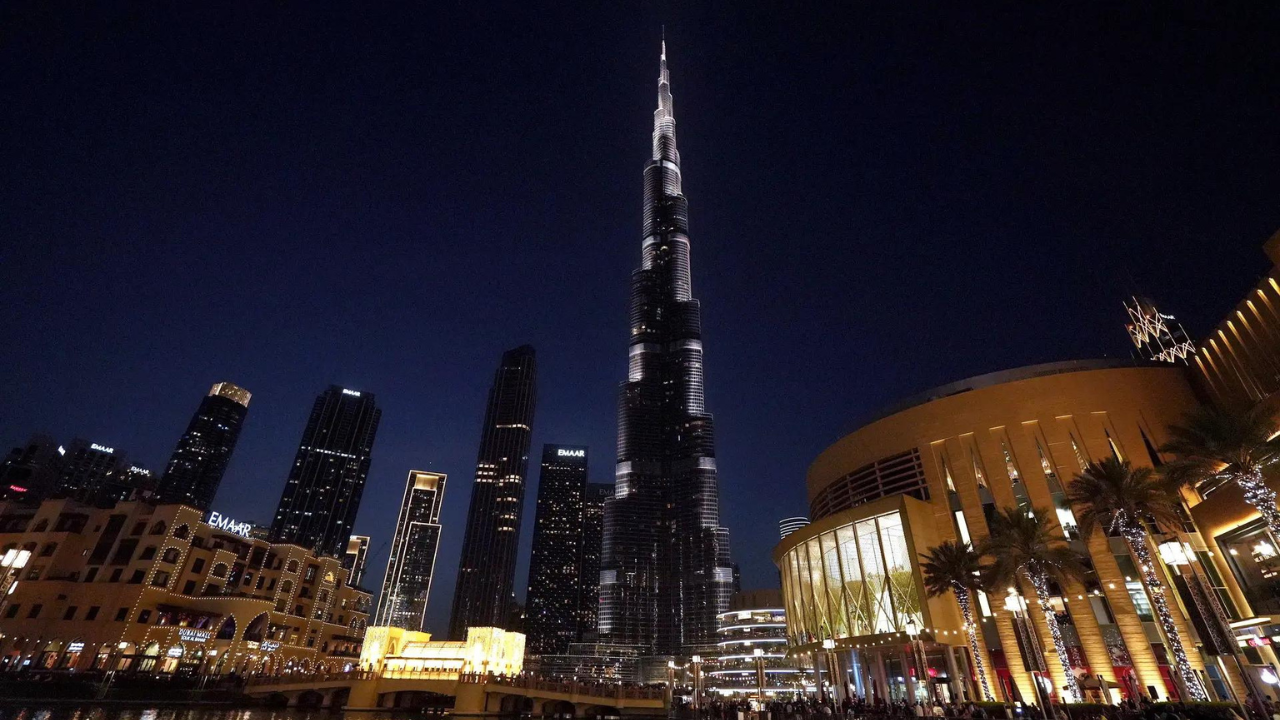
Dubai has spent the last twenty years selling a very specific dream. It’s the dream of an untouchable oasis, a tax-free playground where global capital hides while the rest of the Middle East burns. But that bubble didn't just leak this week; it burst. When Iranian missiles and drones targeted the world’s busiest international aviation hub and flickered over the Burj Al Arab, the "safe haven" tag became a marketing slogan instead of a physical reality.
If you're an investor or a resident, you aren't just looking at broken glass or delayed flights. You're looking at a fundamental shift in how risk is priced in the Gulf. For a long time, the UAE’s neutrality felt like a magic shield. Now, we’re seeing that geography is destiny, and no amount of luxury marble can insulate a city from being caught in the crossfire of a regional war.
The Night the Bubble Burst
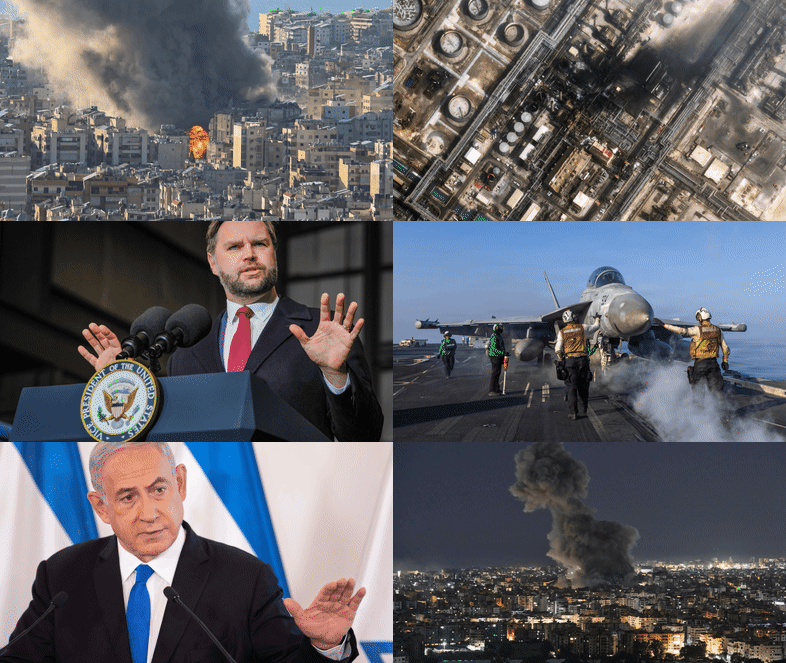
On March 2, 2026, the local "it can't happen here" attitude died. Operation Epic Fury saw Iran launch a massive wave of projectiles—137 ballistic missiles and over 200 drones—aimed at the UAE. While the Ministry of Defence reported a high interception rate, including taking down 132 of those 137 missiles, the debris and the sheer volume of the attack did something air defenses can't: they triggered a psychological collapse of the city’s invincibility.
I've talked to residents who watched the interceptions from their balconies in Dubai Marina. They weren't just scared; they were confused. Dubai isn't supposed to have sirens. It isn't supposed to have shrapnel falling on the Fairmont The Palm. The city’s brand is built on being the "Switzerland of the Middle East," yet Switzerland doesn't usually have drones exploding in its airspace.
Tourism Reeling Under High-End Anxiety
Tourism is the engine of the Dubai economy, and that engine is currently sputtering. In the first 48 hours after the strikes, vacation rental cancellations doubled. We aren't just talking about budget backpackers; the high-end luxury segment is the one feeling the chill.
Analysts at Tourism Economics are already projecting a massive hit to the region's $367 billion tourism value. They're estimating that between 23 million and 38 million fewer travelers will visit the Middle East this year. If you think Dubai is immune because it's "different," look at the flight boards. Major airlines have canceled routes, and thousands of travelers are currently stranded.
Why Luxury Isn't a Hedge Anymore
There’s a common theory in hospitality that "the rich still travel." That might be true for economic recessions, but it’s not true for active war zones.
- Airspace Closures: When the skies over the UAE, Qatar, and Bahrain shut down, the "hub" status becomes a liability.
- Reputational Damage: People come to Dubai for the beach and the shopping, not to check the location of the nearest bomb shelter.
- Flight to Safety: Michael O’Leary, CEO of Ryanair, noted a clear shift in bookings away from the Middle East toward "shorter, safer" European destinations like Portugal and Greece.
Real Estate is Pausing but not Panicking
The real estate market is where the most money is at stake. In 2025, Indian investors alone accounted for nearly 23% of foreign property transactions. They weren't just buying houses; they were buying the UAE Golden Visa and a perceived hedge against volatility elsewhere.
Right now, the market is in a "wait-and-watch" phase. According to top brokers on the ground, deal signatures are being delayed. One major developer mentioned that while there’s no mass sell-off yet, site visits have tanked compared to January.
The 120,000 Unit Problem
Dubai was already heading for a supply surge. About 120,000 new residential units are expected to hit the market in 2026—double the usual annual volume. In a booming market, that’s growth. In a market under fire, that’s a glut. If the Iranian conflict persists for more than a few weeks, we're likely to see:
- Aggressive Discounts: Secondary market sellers might start slashing prices by 5-7% just to exit.
- Force Majeure Claims: Construction projects may face delays as supply chains through the Strait of Hormuz are disrupted.
- Yield Compression: With rental yields currently sitting at a healthy 7-9%, any dip in tourist or expat demand will eat into those returns quickly.
Defense Systems and the Limits of Technology
The UAE's defense performance was technically impressive. Intercepting nearly 95% of ballistic missiles is a world-class feat. But drones are a different beast. They're cheaper, fly lower, and are harder to track.
The Iranian strategy isn't necessarily to level a city; it’s to impose "unacceptable costs." If it costs $2 million to fire a Patriot missile to take out a $20,000 drone, the math eventually breaks. More importantly, the economic cost of a single drone hitting a landmark like the Burj Al Arab is billions of dollars in lost future investment. Iran knows this. They aren't trying to win a traditional war; they’re trying to kill the "safe haven" brand that makes the UAE a competitor.
What This Means for Your Capital
If you’re holding assets in Dubai, don’t ignore the headline risk. The "fog of war" makes it tempting to act on emotion, but the reality is that the UAE has a history of bouncing back. However, the 2026 conflict is different because it directly challenged the physical security of the city for the first time in a generation.
You need to look at your "force majeure" clauses in any ongoing property deals. Check your insurance policies for war and civil unrest exclusions—many people find out too late that their "all-risk" policy doesn't cover missile debris.
Immediate steps to take
- Review Property Contracts: If you're in the middle of a purchase, look for "Material Adverse Change" (MAC) clauses.
- Diversify Within the Region: If you're heavily exposed to Dubai real estate, consider liquidity.
- Monitor Airspace: Keep a close eye on Flightradar24. The moment major international carriers like Lufthansa or Emirates resume a full schedule without disruptions, the "safe haven" narrative will begin to heal.
The days of assuming Dubai is a "bubble" immune to its neighbors are over. It's a world-class city, but it's now a world-class city with a front-row seat to a very real war. Adjust your risk appetite accordingly.