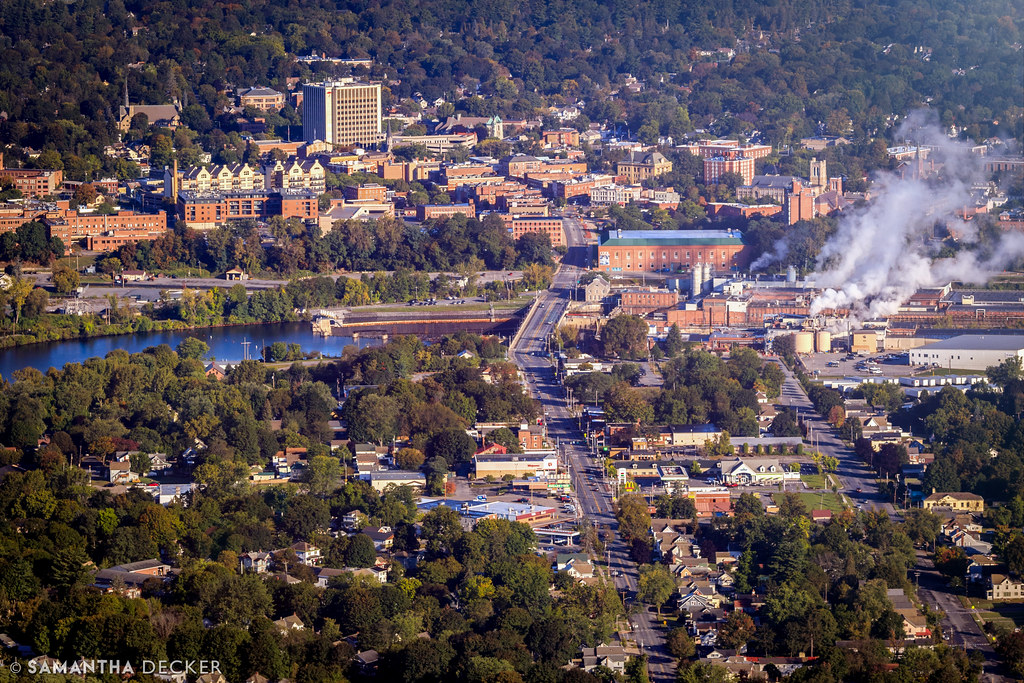
The rain in Makerfield doesn’t fall; it hangs. It drifts across the old coal mining towns and dampens the brickwork of terraced houses that have stood since the Industrial Revolution. On a Tuesday afternoon, inside a draughty community centre, an old man named Arthur stares at a smartphone screen. His thumb, calloused from decades of manual labour, hovers over a video.
On the screen, a local political candidate is shouting. The footage is five years old, captured in the hazy corner of a pub during a late-night argument. The words used are ugly. They target a minority group with a casual, venomous sharpness that feels like a slap in the face.
Arthur locks the phone. He puts it face down on the Formica table.
"I knew his grandad," Arthur says, his voice quiet. "Good man. But this? You can’t unhear it. You can’t pretend the man who said those things changes just because he put on a suit and a colourful rosette."
What Arthur is experiencing isn't just personal disillusionment. It is the friction point of modern democracy. A recent poll conducted across the Makerfield constituency revealed a stark, undeniable truth: for the vast majority of voters here, offensive online posts are an absolute breaking point. It is no longer about party lines, economic promises, or local heritage. The digital trail left behind by candidates has become the ultimate litmus test of character.
The Weight of the Unforgotten Word
Politicians used to worry about skeletons in the closet. Today, the closet has been demolished, replaced by a searchable, permanent digital archive. Every ill-advised tweet, every heated Facebook comment from a decade ago, and every shared meme that punches down is waiting to be exhumed.
Consider a hypothetical candidate named Sarah. She is sharp, deeply knowledgeable about local government, and has spent three years campaigning to save the local community hospital. Her policies are sound. Her speeches are inspiring. But when Sarah was twenty-two, frustrated and angry after a bad day, she posted a series of tweets mocking people on welfare benefits.
To Sarah, it was a lifetime ago. A different version of herself.
To the voter scrolling through their phone at a bus stop in the freezing rain, it is happening right now.
This is the psychological reality of the internet. It flattens time. A statement made ten years ago coexists in the exact same present tense as a policy announcement made ten minutes ago. When a voter reads an offensive post, they do not see a journey of personal growth. They see a mask slipping.
The data from Makerfield shows that this isn't a niche concern held only by the politically hyper-aware. It is a mainstream consensus. The poll indicates that a crushing majority of the electorate would actively turn away from a candidate exposed for making offensive remarks online. The sentiment cuts across generations, from grandfathers who remember the pits to teenagers voting for the very first time.
The Anatomy of the Dealbreaker
Why does an online post carry more weight than a poorly delivered speech or a broken manifesto promise?
The answer lies in the perceived intimacy of social media. When a politician speaks from a podium, we expect a performance. We know the words have been scrubbed by advisors, polished by speechwriters, and focus-grouped to within an inch of their life. It is theatre.
But social media feels raw. It is the medium of the late-night thought, the unfiltered reaction, the genuine prejudice muttered when they thought no one important was listening.
Let us use an analogy. Imagine hiring a builder to repair your roof. He comes highly recommended, his quotes are reasonable, and his previous work looks solid. But as you walk past his van, you hear him shouting abusive, cruel language at a passerby on the street. He isn't shouting at you. His anger has nothing to do with your roof. Yet, the contract changes instantly. The trust vanishes. You no longer want him in your house because you have seen how he treats the world when he thinks there are no consequences.
That is what the Makerfield poll reflects. It is a collective declaration that character matters more than competence. A candidate can promise millions of pounds for local infrastructure, better schools, and safer streets. But if their digital footprint is stained with bigotry or malice, the promises taste like ash. Voters look at the offensive post and ask a fundamental question: If this is who you are when you think you are safe behind a screen, who will you be when you hold power over my life?
The Battleground of the Clean Slate
This shift in voter behavior has triggered a quiet panic within political parties. The traditional vetting process is dead. It is no longer enough to check a candidate's financial history or ask their neighbors if they are a decent sort. Now, political operatives employ digital forensics teams to scrub the internet clean before a name ever appears on a ballot paper.
They delete old accounts. They scrub old forums. They buy up domain names to prevent parody sites.
But the internet retains everything. Somewhere, someone has a screenshot.
This creates a strange, sterile new landscape for leadership. If the public demands absolute digital purity, we risk electing a class of individuals who have never said anything interesting, controversial, or honest in their entire lives. We risk filling our parliament with people who scrubbed their personalities away at age sixteen to ensure a clean run at a seat in their forties.
Yet, the people of Makerfield are not demanding perfection. They are demanding decency.
There is a vast difference between a youthful mistake—an ignorant comment born of immaturity that is later repented—and a pattern of sustained, malicious hostility. The poll suggests that voters can distinguish between the two, but their tolerance for the latter is exactly zero. The collective tolerance for casual cruelty has evaporated.
The Human Cost of the Scroll
Back in the community centre, the rain finally stops, leaving the windows streaked with grey grime. Arthur looks out towards the high street, where a campaign poster hangs slightly crooked from a lamppost.
"We used to look people in the eye," he says, adjusting his cap. "You could tell if a man was decent by how he stood on your doorstep and listened to your troubles. Now, I don’t care how nice they are on my doorstep. I want to know what they say when they think I’m not looking."
The digital age has changed the geography of trust. We no longer build it through handshakes and local reputation alone. We build it through the traces we leave behind in the ether.
For the politicians eyeing the seat in Makerfield, the message is stark and uncompromising. The electorate is watching, scrolling, and remembering. Your past is not dead; it is merely waiting to be searched.
Arthur picks up his coat, pockets his phone, and walks out into the damp afternoon air, leaving the digital ghost behind on the table, still waiting for the next thumb to wake it up.