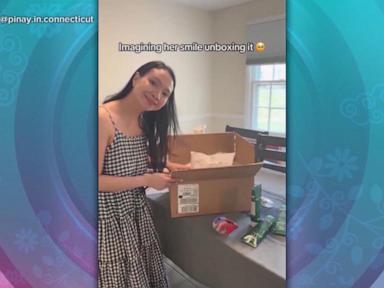
The heartwarming narrative of the Filipino balikbayan box is a staple of global media. Every December, features editors churn out the same predictable story. They show tearful overseas Filipino workers (OFWs) packing spam, shoes, and shampoo into cardboard boxes. They film the joyful reactions of families in Manila opening them. The commentary always frames this ritual as a beautiful, uniquely Filipino tradition that bridges geographic chasms.
It is a comforting lie.
The standard narrative celebrates these care packages as symbols of connection. In reality, they are physical manifestations of systemic economic failure and deep-seated familial guilt. We are conditioned to view the balikbayan box as a triumph of love over distance. We need to stop romanticizing a practice that functions as an emotional tax on global labor and a crutch for a broken domestic economy.
The Sentimentality Trap
For decades, the cultural consensus has been clear. The bigger the box, the deeper the love. If you question this tradition, you are branded as cynical or ungrateful.
I have spent fifteen years analyzing remittance behaviors and migration patterns across Southeast Asia. I have watched workers in Hong Kong, Dubai, and London skip meals and live in cramped dormitories just to fill a 24x24x24-inch corrugated box. They pay exorbitant freight fees to ship items that are readily available in supermarkets down the street from their families in Quezon City or Cebu.
This is not efficient resource distribution. It is a guilt-mitigation strategy.
The competitor articles love to focus on the sensory experience—the smell of American detergent, the taste of imported chocolate. What they ignore is the underlying psychology. The box is an apology for absence. It is a tangible proof of utility sent by parents who feel guilty for missing graduations, birthdays, and funerals. By focusing entirely on the emotional payoff of the unboxing moment, mainstream media sanitizes the harsh reality of forced migration. They turn a coping mechanism for trauma into a feel-good holiday tradition.
The Economic Absurdity of the Care Package
Let us break down the actual mechanics of this tradition. The economic inefficiency is staggering.
- The Cost of Freight: Shipping a standard jumbo balikbayan box from North America or Europe to a province in the Philippines costs anywhere from $80 to $150. That is just the shipping fee.
- The Value of Goods: Inside the box, you typically find consumer staples. Canned goods, toiletries, instant coffee, and clothing.
- The Local Availability: Due to global trade agreements and the hyper-financialization of retail, almost every single brand found in a Western supermarket is now available in Philippine malls. Puregold, SM Supermarkets, and local e-commerce platforms carry the exact same items.
When you factor in the retail price paid in the host country, the cost of shipping, and the months of transit time, the recipient ends up with goods that cost twice as much as they would if purchased locally.
Imagine a scenario where a financial advisor tells you to buy a $3 bottle of lotion, pay $4 to ship it, wait three months for it to arrive, and risk it being stolen or damaged at the port. You would fire that advisor on the spot. Yet, because we wrap this process in the flag of cultural tradition, we celebrate it as genius.
The counter-argument from traditionalists is always the same: "But imported goods taste better," or "It’s the thought that counts." This defense crumbles under scrutiny. The insistence on sending physical goods rather than direct cash transfers often stems from a lack of trust. OFWs frequently confess that they send boxes because they worry cash will be mismanaged by relatives back home. The box is a tool of control. It ensures the remittance is spent on sustenance rather than being gambled away or spent on non-essentials. Celebrating this as a beautiful connection ignores the underlying friction and lack of financial transparency within the diaspora family.
Distorting Local Economies
The damage extends beyond the household level. The aggregate effect of millions of balikbayan boxes flooding the Philippines every year creates a parallel, untaxed consumer market that distorts local commerce.
The Philippine government historically granted tax exemptions for these personal boxes to appease the OFW voter base. While politically savvy, this policy creates an uneven playing field for domestic micro-businesses. Local sari-sari stores and regional distributors cannot compete with a constant influx of free, untaxed consumer goods sent from abroad. Why buy soap from the neighborhood merchant when your aunt sent a three-year supply of Safeguard from California?
We are effectively subsidizing foreign manufacturing giants—Procter & Gamble, Unilever, Nestlé—by buying their products in Western markets and shipping them to a developing nation, bypassing local supply chains that could otherwise generate employment. The balikbayan box does not build wealth; it fosters a culture of dependence and passive consumption.
Dismantling the Frequently Asked Questions
To truly understand how deep this misconception goes, look at what the public asks about this tradition. The premises of these questions are fundamentally flawed.
Why do Filipinos prefer sending boxes over sending cash?
The premise assumes this preference is purely sentimental. It is not. It is driven by structural financial exclusion. A significant portion of provincial recipients remain unbanked. While digital wallets have expanded, withdrawing large sums still incurs heavy fees in rural areas. Furthermore, sending physical goods allows the sender to dictate exactly what the remittance looks like, avoiding the uncomfortable conversations about how cash was spent. It is a coping mechanism for a lack of financial literacy on both sides of the ocean.
Does shipping balikbayan boxes help the Philippine economy?
No. It helps foreign shipping companies and Western retail chains. True economic development requires capital injection into local industries, infrastructure, and savings. Sending boxes of spam and used clothes provides short-term relief while delaying the urgent need for domestic financial independence. It turns recipients into consumers rather than producers or investors.
How can families maintain connections without sending physical goods?
By shifting the focus from material dependency to wealth creation. The modern diaspora needs to stop viewing love through the lens of cargo weight. The hard truth is that a family does not need another pair of sneakers; they need a sustainable exit strategy from the remittance trap.
The Shift to Strategic Remittance
The contrarian approach is difficult to accept because it requires dismantling an identity that millions of migrants have built their lives around. Being a provider through sacrifice is a powerful narrative. But if the goal is truly the welfare of the family back home, the tradition must evolve.
The alternative is not to stop giving. The alternative is to give with clinical efficiency.
I have counseled migrants who successfully broke the cycle. They stopped sending boxes entirely. They took the money spent on freight and foreign retail markups and channeled it into specific, targeted investments.
- Direct Bill Payment: Pay for tuition, medical insurance, and utilities directly through international digital portals. This eliminates the middleman and ensures funds are used correctly.
- Micro-Investing: Setting up local investment accounts or funding small, family-run agricultural projects in the provinces.
- The Hard Cutoff: Establishing a clear timeline for financial independence. The box creates a permanent safety net that discourages local employment seeking.
The downside to this approach is immediate emotional blowback. When you stop sending the box, the family feels abandoned. The immediate gratification of the holiday unboxing is gone. You lose the status of the benevolent benefactor who brings the bounty of the Western world to the village. It requires an uncomfortable level of stoicism to endure the initial resentment of relatives who prefer the easy comfort of a care package over the hard work of building financial autonomy.
Stop Romanticizing the Struggle
Every video showing an elderly mother crying over a box of canned meat sent by her daughter who lives illegally in a basement in New York is a tragedy, not an inspiration.
We must stop allowing media companies to package human capital flight as a heartwarming lifestyle trend. The balikbayan box is a monument to a country that has systematically failed to create viable jobs for its citizens, forcing them to commodify their absence.
Next time you see an article praising this tradition, look past the brightly colored tape and the smiles. See the box for what it actually is: a heavy, cardboard anchor keeping families tied to a cycle of distance, dependency, and debt.
Stop packing the box. Start building an exit plan.