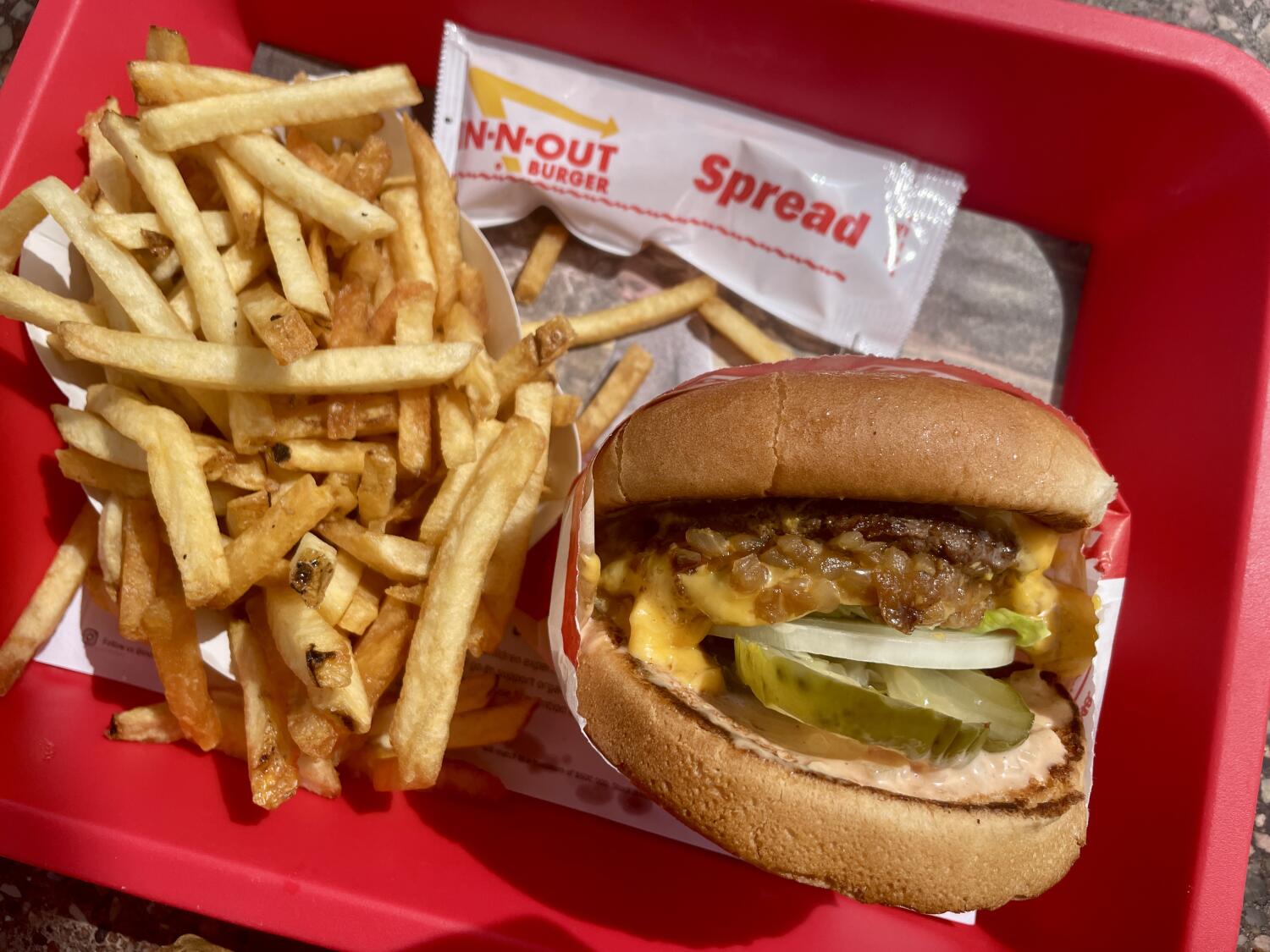
In-N-Out owner Lynsi Snyder recently made waves by rejecting automated ordering. She called it a preservation of the "experience." The internet cheered. The purists swooned. They are all wrong.
What Snyder is selling isn't hospitality. It’s nostalgia-flavored inefficiency. By refusing to integrate kiosks or AI-driven voice ordering, In-N-Out isn't protecting its soul; it is actively punishing its customers and its workforce under the guise of "tradition." The "human touch" is the most overused, intellectually lazy defense in the service industry.
Let’s be honest: nobody goes to a drive-thru for a meaningful human connection. You go because you’re hungry, you’re in a rush, and you want your order to be right. Forcing a tired twenty-year-old to stand in the sun with a tablet or lean through a window in the rain to ask "Would you like onions?" isn't a premium experience. It’s a bottleneck.
The Friction Fallacy
The industry consensus says automation destroys brand loyalty. This is the Friction Fallacy. It assumes that every interaction between a customer and a staff member is value-additive. It isn't.
Most fast-food interactions are high-stress, low-information exchanges. The employee is trying to keep the line moving. The customer is trying to remember if their kid wanted a plain cheeseburger or one with extra pickles. When you introduce a human middleman into a data-entry task—which is all ordering a burger really is—you increase the margin for error.
- Accuracy: Kiosks don't mishear "no onions" for "more onions."
- Upselling: A machine never feels "too shy" to suggest a double-double.
- Throughput: A digital interface doesn't get distracted by a coworker’s joke.
I’ve seen franchise groups burn through millions in lost revenue because they were terrified of "looking cold." They prioritized the feeling of service over the delivery of it. Meanwhile, their drive-thru times climbed to ten minutes while the tech-forward competitor down the street cleared their lot in three.
The False Choice Between Tech and Talent
Snyder’s stance frames technology as the enemy of the employee. This is a fundamental misunderstanding of labor economics. When you automate the mundane, repetitive task of taking an order, you don't have to fire the worker. You reallocate them to the Value Zone.
The Value Zone is the kitchen and the hand-off point. It’s where the food is actually made and where the final quality check happens. In a traditional model, the "hospitality" is rushed because the employee is juggling a headset, a cash drawer, and a screen.
Imagine a scenario where 100% of the clerical work—taking the order and processing the payment—is handled by an interface. The human staff is now entirely focused on the product. The burger is hotter. The fries are crispier. The hand-off is accompanied by eye contact and a genuine "thank you" because the employee isn't already listening to the next car’s garbled order.
That is real hospitality. Forcing a human to act like a slow, fallible computer is the opposite of respecting their humanity.
The Cost of the "Golden Age" Delusion
In-N-Out can afford this stance because they have built a cult. They are the exception that proves the rule. But for the rest of the industry, following their lead is a death sentence.
We are currently navigating a labor market where the cost of a human hour is at an all-time high. If you are paying $20 an hour for someone to stand still and transcribe what a customer says into a POS system, you are lighting money on fire. That cost is eventually passed to the consumer.
The "no automation" badge of honor is actually a "higher prices for slower service" warning label.
The Psychology of the Kiosk
Critics argue that kiosks are "lonely." They miss the point of modern consumer psychology. The "People Also Ask" sections of the web are filled with queries about how to avoid social anxiety in public spaces. For a significant portion of Gen Z and Millennials, the "human touch" is actually a point of social friction.
Digital interfaces provide:
- Transparency: You see the price change in real-time as you add bacon.
- Control: You can browse the "secret menu" without feeling like you're bothering the cashier.
- Privacy: No one judges you for ordering two shakes for yourself.
By rejecting these tools, brands are essentially telling a younger, tech-native demographic: "We don't care how you prefer to communicate; you will do it our way." That isn't great service. It’s arrogance.
Data-Driven Menu Engineering
The most significant loss in the "manual ordering" model is the data. When a customer interacts with a smart ordering system, the brand gains a granular understanding of behavior.
- What items are frequently paired?
- At what price point does a customer abandon a modification?
- How does weather affect the desire for a specific side?
Snyder’s "old school" approach leaves all this on the table. It relies on gut feeling and broad-stroke sales reports. In the modern business climate, guessing is a luxury you can't afford. Professional operators know that $0.50 saved on food waste through better predictive ordering—powered by automated data—is what keeps the lights on when inflation hits.
The Inevitability of the Shift
The pushback against automation is nothing new. We saw it with ATMs in banking. We saw it with self-checkout in grocery stores. In every instance, the "purists" claimed the industry was losing its soul. In every instance, the consumer eventually voted with their feet for the more efficient, lower-cost option.
In-N-Out’s refusal to automate isn't a brave stand for workers. It’s a marketing gimmick. It works for them because their brand is "1948." But don't mistake a brand aesthetic for a viable business strategy.
If you want to survive the next decade of the fast-food wars, you have to stop treating your employees like kiosks and start giving your customers the speed they actually want. The "human experience" is what happens when the technology works so well that the humans finally have time to be human.
Stop clinging to the headset. The future doesn't have a cord.