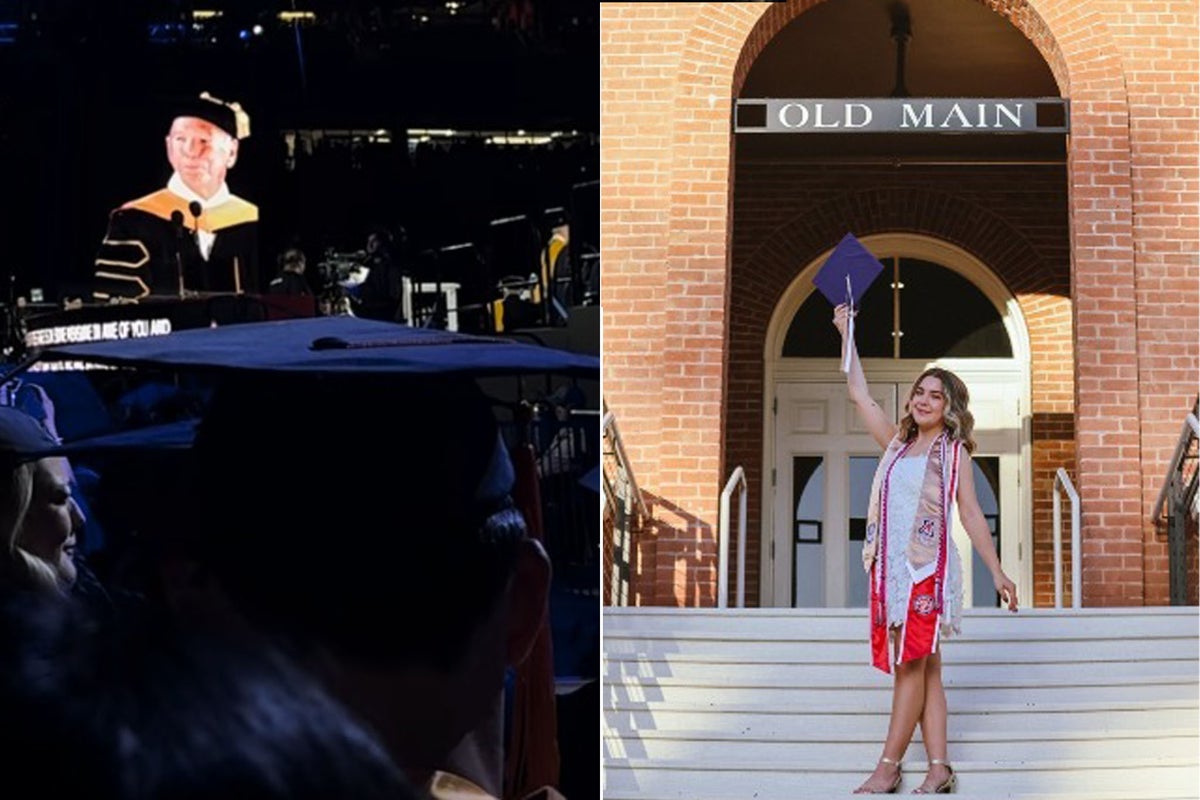
University commencement ceremonies have transformed into a gauntlet of repetitive tech anxiety. Across the globe, graduation speakers are discarding traditional wisdom to deliver uninspired, AI-focused platitudes to audiences who have already spent years integrated with the technology. The result is a profound disconnect. While university administrators and corporate guest speakers treat artificial intelligence as a novel specter or a magical panacea, the graduating class views it as an ordinary, imperfect tool. Students are not terrified of the algorithm; they are exhausted by the lecture.
The disconnect stems from a generational divide in technical literacy. To a 60-year-old CEO or a university president, large language models represent a radical disruption to the status quo they spent decades mastering. To a 22-year-old entering the workforce, these systems are simply infrastructure, akin to high-speed internet or cloud computing. When a speaker takes the podium to warn that automated systems will rewrite human history, it does not sound profound to a graduate. It sounds hopelessly out of touch.
The Anatomy of the Broken Commencement Speech
The modern graduation address has fallen into a predictable, formulaic trap. A typical speech relies on a specific sequence of rhetorical moves that alienate the very crowd it intends to inspire.
First comes the existential warning. The speaker cites a recent advancement in generative automation, pauses for dramatic effect, and implies that the traditional job market is crumbling. Next comes the superficial challenge, where graduates are told they must remain uniquely human to survive the automated wave. Finally, the speaker offers a vague platitude about ethics, leaving the audience with no practical strategy for navigating their actual careers.
This structure fails because it treats technology as an abstract deity rather than a commercial product. Consider a hypothetical example. If a software engineering graduate spends four years learning the intricacies of algorithmic complexity, debugging legacy systems, and managing databases, they understand exactly where automated code generation fails. They know its limits. When a commencement speaker with a background in politics or literature tells that graduate that software is dead because an LLM can write a basic script, the graduate does not feel inspired. They realize the speaker does not comprehend the industry they are talking about.
This creates an atmosphere of cynicism. Commencement is supposed to be a celebration of specific, hard-earned human achievement. Turning the podium into a tech-industry commentary desk cheapens the ritual and leaves families wondering why they paid hundreds of thousands of dollars for a generic corporate briefing.
Why the Tech Panic Misses the Student Reality
The anxiety driving these speeches belongs entirely to the older generation. University administrations are terrified of institutional irrelevance, and corporate executives are terrified of being left behind by Wall Street valuations. They project this anxiety onto students who have a far more pragmatic relationship with automated software.
Graduates have been using these tools throughout their academic careers. They know the systems hallucinate. They know the output is frequently mediocre. They have used automated summarizers to parse dense readings, relied on grammar checkers to polish essays, and utilized code assistants to fix syntax errors. They do not view technology as an existential threat because they have already spent years managing its flaws.
The Realities of the Entry-Level Labor Market
The actual crisis facing new graduates is not that an algorithm will take their job tomorrow. The crisis is that employers are using tech-driven cost-cutting as an excuse to shrink training pipelines, suppress entry-level wages, and automate the hiring filters that determine who gets an interview in the first place.
- Automated Resume Filtering: Job seekers face algorithmic screeners that reject hundreds of qualified applicants before a human recruiter ever sees a CV.
- The Death of Entry-Level Training: Companies increasingly expect new hires to produce immediate ROI, using basic automation to justify eliminating the mentorship programs that traditionally helped graduates transition into their fields.
- Wage Stagnation: Organizations use the perceived efficiency of software tools to demand higher output from fewer workers, effectively compressing the total number of open roles for newcomers.
When a commencement speaker tells students to embrace the future, they completely obscure these material hurdles. A graduate does not need to be told that the future is digital. They need to know how to get past an automated talent acquisition filter that screens out human nuance.
The Corporate Incentive Behind the Hype
The proliferation of tech-themed graduation speeches is not accidental. It is driven by a broader cultural and financial machinery that rewards the constant promotion of digital transformation. Many commencement speakers are chosen because of their high-profile status in business, media, or governance. These individuals operate in ecosystems where discussing automation is a requirement for maintaining relevance and funding.
When a venture capitalist or a corporate executive addresses a crowd of thousands, they are not just speaking to the students. They are speaking to the press, their shareholders, and their peers. Using the commencement stage to deliver a grand thesis on the future of work serves as a personal branding exercise. The university benefits by appearing connected to the vanguard of modern industry, while the speaker secures headlines.
The students are merely props in this branding exercise. They sit on folding chairs in the sun, trapped in academic regalia, listening to a presentation that reads like a LinkedIn post written by an executive who wants to sound visionary. The human element of the ceremony is replaced by corporate marketing.
Restoring the Value of the Modern Ritual
The resentment brewing among graduates highlights a desperate need to reclaim the purpose of graduation ceremonies. The event should focus on the immediate, tangible reality of human effort, endurance, and community.
Speakers must abandon the role of amateur futurists. History shows that the most memorable addresses are those that anchor themselves in specific human experiences, ethical choices, and localized truths. They do not try to predict the state of the global economy in ten years; they address the character of the people who will live through it.
Universities have an obligation to vet their speakers for actual relevance to the student experience. If an institution invites a leader from the tech sector, that individual should offer a transparent, unvarnished look at the mechanics of the industry, rather than a glossy public relations script. If they cannot offer that level of honesty, they should not be handed the microphone.
The graduating class does not need to be told that the world is changing. They have spent their formative years living through global upheaval, economic instability, and the rapid deployment of new software infrastructure. They know the world is volatile. What they require from a commencement address is a validation of the work they have already completed, a clear-eyed acknowledgment of the economic realities awaiting them, and a reminder that their worth is not dictated by the efficiency of an automation tool. Turn off the corporate predictive models and talk to the people in the room.