The 1913 premiere of The Rite of Spring was a disaster. Or a masterpiece. Honestly, it depends on who you asked while they were dodging flying programs and shouting over the bassoons at the Théâtre des Champs-Élysées. People were literally screaming at each other.
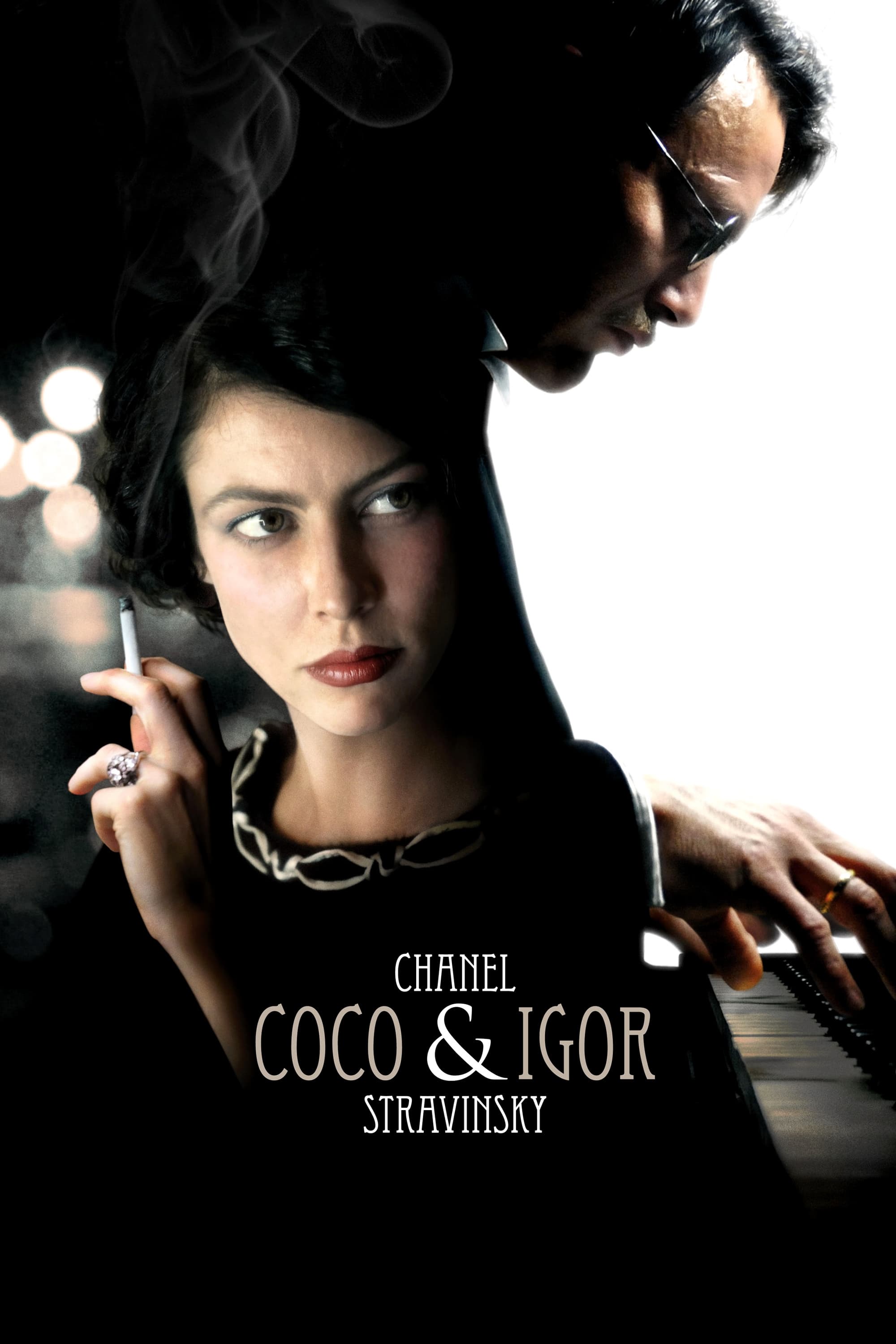
In the middle of this chaos, a young Gabrielle "Coco" Chanel sat in the audience, watching Igor Stravinsky’s dissonant, jarring music tear the roof off Parisian tradition. She didn't boo. She leaned in. This is the electric hook that sets the stage for the Coco Chanel & Igor Stravinsky movie, a 2009 film that tries to figure out what happens when two of the most arrogant, brilliant, and revolutionary minds of the 20th century share a roof.
The Setup: A Refugee and a Businesswoman
Fast forward seven years. It's 1920. Stravinsky is broke. He’s fled the Russian Revolution, living in a cramped hotel with his wife, Catherine, and their four kids. Chanel, meanwhile, is the opposite of broke. She’s grieving the death of her great love, Boy Capel, but her business is exploding.
She invites the whole Stravinsky clan to live at her villa, Bel Respiro, in Garches.
Think about that for a second. You invite a world-class composer, his sick wife, and four children to stay in your house. It’s either the ultimate act of artistic patronage or a recipe for a total social train wreck. In the Coco Chanel & Igor Stravinsky movie, it’s a bit of both.
Fact vs. Fiction: Did the Affair Actually Happen?
This is where things get sticky. If you ask the Stravinsky estate, they’ll tell you it's all nonsense. They've historically denied any romantic link between the two. But Chanel? She was never one to let the truth get in the way of a good story. Late in her life, she told her biographer, Paul Morand, that she and Igor had a torrid, life-changing affair during that summer in Garches.
The movie, directed by Jan Kounen and based on Chris Greenhalgh’s novel Coco and Igor, leans hard into the "it happened" camp.
Mads Mikkelsen plays Stravinsky like a man vibrating with repressed energy. He’s stiff, intense, and looks like he’s perpetually about to explode. Anna Mouglalis as Chanel is his perfect foil—cool, predatory, and entirely unimpressed by his "tortured artist" routine. There's a brutal scene where he tells her she’s not an artist, but a "shopkeeper." She doesn't flinch. She just reminds him who is paying for his piano.
Why the Movie Still Matters
Most biopics are boring. They’re basically Wikipedia entries with a costume budget. But this film is different because it focuses on the cost of creation. While they’re supposedly having this affair, two massive cultural shifts are happening:
- Chanel No. 5 is born. The movie shows her working with Ernest Beaux, looking for a scent that doesn't smell like flowers, but like a "composition."
- The Rite of Spring is reborn. Stravinsky is revising his score, turning the "barbaric" noise that caused a riot into the polished masterpiece we know today.
The film suggests their passion wasn't just about sex; it was about two people using each other to jumpstart their own genius. It’s kinda cynical. It’s also probably very true. Artistic people are often vampires.
The Problem with the "Wife"
We have to talk about Catherine Stravinsky. Yelena Morozova plays her with a quiet, devastating dignity. She’s in the house. She hears the floorboards creak. She sees the looks. The movie doesn't make her a villain or a victim; she’s just a woman who knows her husband’s soul belongs to his music, and his body is currently on loan to the woman paying the bills.
It makes for an incredibly uncomfortable viewing experience. You’re watching these gorgeous people in stunning 1920s monochrome outfits, but the air in the villa is thick with betrayal.
Cinematic Style and Lagerfeld’s Touch
The movie looks incredible. No, really. Karl Lagerfeld himself opened the Chanel archives for this production. The clothes aren't just "period accurate"; they are pieces of history. The house itself—all black, white, and beige—becomes a character. It’s a minimalist cage.
Jan Kounen uses these long, sweeping shots that make you feel like a ghost in the hallway. The opening 15-minute sequence recreating the 1913 riot is widely considered one of the best depictions of a musical event in cinema history. You feel the heat of the theater. You hear the confusion in the woodwinds.
What Most People Get Wrong
A common misconception is that this is a "love story." It’s not. It’s a power struggle.
By the end of the film, they are both alone. Chanel is successful, but isolated in her fame. Stravinsky is a legend, but he’s lost that raw, dangerous edge he had when he was a refugee. The movie doesn't give you a happy ending because their lives didn't have one. They died in the same year, 1971, still icons, still complicated, and still largely misunderstood.
If you’re looking for a cozy period drama, skip this. But if you want to see how ego and art collide, the Coco Chanel & Igor Stravinsky movie is essential.
Actionable Insights for Fans and Historians
- Watch the Opening First: If you don't have time for the whole two hours, just watch the first 15 minutes. It’s a masterclass in sound design and tension.
- Check the Score: The music in the film isn't just background noise. It’s a mix of Stravinsky’s actual work and an original score by Gabriel Yared. Listen for how the music changes as the affair progresses.
- Read the Source Material: Pick up Chris Greenhalgh’s Coco and Igor. It goes much deeper into the internal monologues that the movie can only hint at.
- Visit the Villa (Virtually): Look up photos of Bel Respiro. The movie’s production design is almost a perfect replica of Chanel’s actual home, which she bought with the proceeds from her early successes.
The reality of their "affair" might forever stay buried in the archives of history, but the film captures the one thing we know for sure: for a few months in 1920, the world’s most famous scent and the world’s most famous music were forged under the same roof.