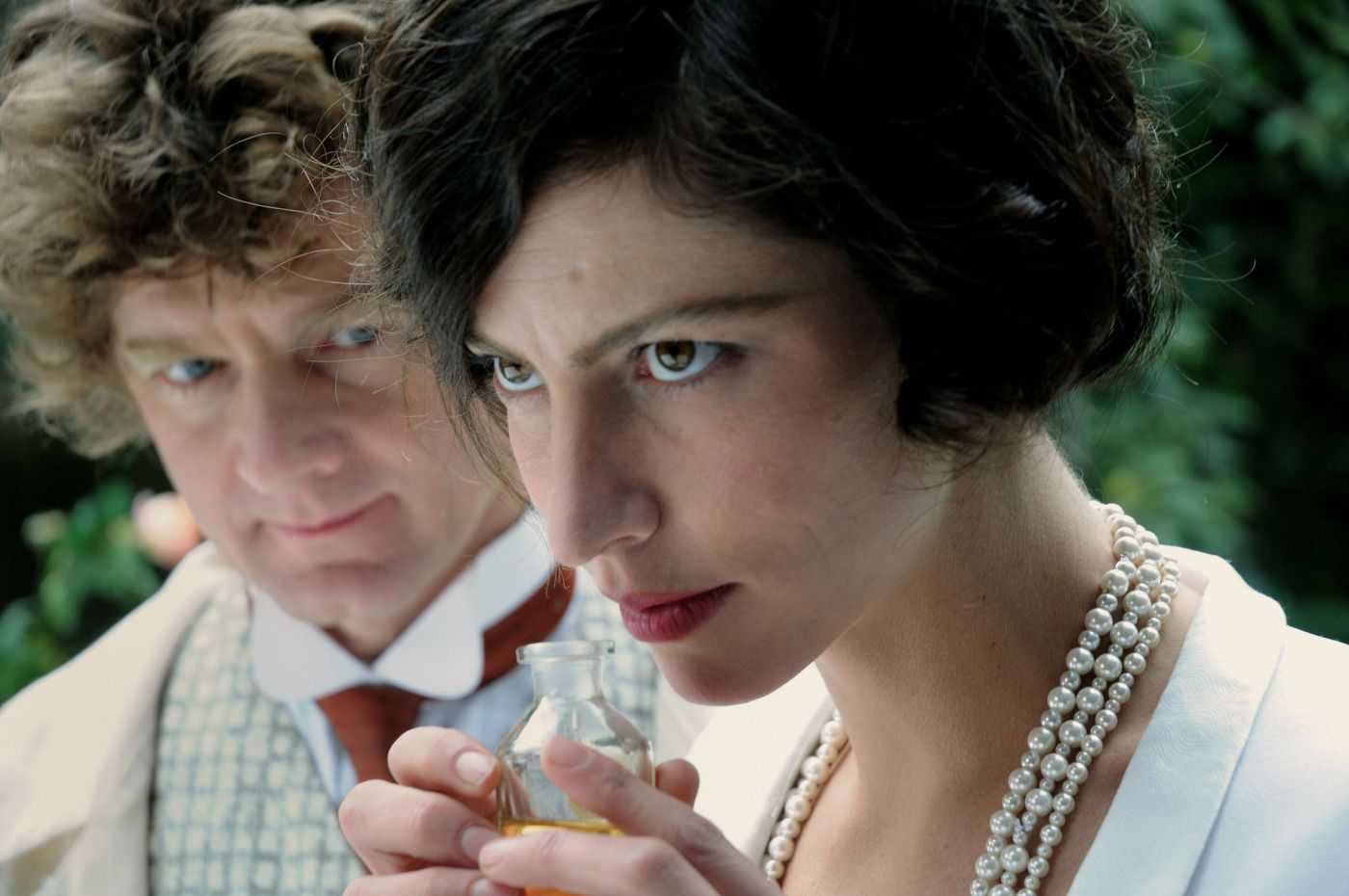
History is usually messy, but the movies like to make it chic. In Jan Kounen’s 2009 film Coco Chanel & Igor Stravinsky, we get a heavy dose of both. The movie starts with a bang—literally. It recreates the 1913 premiere of The Rite of Spring at the Théâtre des Champs-Élysées, where the audience basically rioted because the music was too "weird."
Coco is there. She’s watching the chaos with a smirk. She’s already a fan.
Fast forward seven years to 1920. Coco is rich, successful, and grieving her dead lover, Boy Capel. Igor Stravinsky? He’s a penniless refugee living in a cramped Paris apartment with a sick wife and four kids. Coco, being Coco, decides to play patron. She invites the whole brood to her villa, Bel Respiro. What follows is a slow-burn affair that’s as cold as it is fashionable.
The Problem with "Based on a True Story"
Here’s the thing: nobody actually knows if they had an affair. Seriously.
The film is adapted from Chris Greenhalgh’s novel Coco and Igor, which is a "speculative" historical fiction. While it’s true that Stravinsky and his family lived at Coco’s villa in Garches for several months in 1920, the "torrid romance" part is mostly gossip. Coco herself loved to tell tall tales about her life, and Stravinsky wasn’t exactly a chatty diarist about his flings.
Historians like Richard Taruskin have pointed out that while a tryst likely happened, it was probably way more lopsided than the film suggests. Coco was "collecting" interesting people at the time. Stravinsky was just one of many.
Mads Mikkelsen vs. The Real Igor
In the movie, Mads Mikkelsen plays Stravinsky as this brooding, intense, gym-toned genius. He’s magnetic. But the real Stravinsky? He was a short, wiry guy with a massive nose who spent most of his time obsessing over his sheet music and his health.
Anna Mouglalis, who plays Coco, is actually a Chanel model in real life. She’s got that "don't touch me" vibe down to a science. The chemistry between them isn't warm. It’s clinical. You get the sense they aren't in love; they’re just two egos colliding in a house decorated entirely in black and white.
Art vs. The Shopkeeper
One of the best scenes—and maybe the most honest—is when they fight. Igor, in a fit of elitist rage, tells Coco: "You are not an artist. You are a shopkeeper."
Ouch.
It hits because it highlights the actual tension of that era. Stravinsky represented "High Art"—difficult, dissonant, and intellectual. Coco represented "Commerce"—functional, wearable, and mass-marketed. The film suggests that their affair fueled their greatest works: his Five Finger Exercises and her creation of Chanel No. 5.
Whether the sex actually helped her pick "Test Phial Number 5" in Grasse is debatable, but it makes for a great narrative.
Why the Film Still Matters in 2026
People are still obsessed with this movie because it looks incredible. The production design is a masterclass in Art Deco. Karl Lagerfeld even opened the Chanel archives for the film, lending original 1920s pieces and designing new ones to match the period.
But if you’re looking for a warm, fuzzy romance, you won’t find it here. The movie is as chilly as a Paris winter. It depicts a world where art is more important than people. Stravinsky’s wife, Catherine (played brilliantly by Elena Morozova), has to sit in the next room while her husband carries on with their benefactor. It’s brutal.
What to Keep in Mind if You Watch
If you're diving into this for the first time, don't take it as gospel. It’s a mood piece. It captures the feeling of 1920s Paris better than it captures the facts.
- The Opening Scene: The 1913 riot is the best part of the movie. Watch it for the choreography alone.
- The Soundtrack: It’s obviously heavy on Stravinsky, but Gabriel Yared’s score fills in the emotional gaps where the actors stay silent.
- Historical Liberties: The film implies Coco was the main financier of the Rite of Spring revival. While she did give 30,000 francs to Diaghilev for the Ballets Russes, she did it anonymously. She wasn't exactly walking around looking for a thank-you note.
Actionable Insights:
- Verify the "History": If you’re writing or researching this era, cross-reference the film with memoirs like Stravinsky in Pictures and Documents. The movie prioritizes aesthetics over dates.
- Watch for the Design: For students of fashion or interior design, this film is basically a textbook. Pay attention to the use of monochromatic space in the villa scenes.
- Compare with Coco Before Chanel: If you want a fuller picture of her life, watch the Audrey Tautou version first. It covers her rise, whereas this film covers her at the peak of her power when she was arguably at her most "difficult."
The reality of Coco and Igor was likely less about "destiny" and more about two people using each other for inspiration and survival. Coco got a genius to decorate her villa; Igor got a warm bed and a piano while his world was falling apart. Kinda cynical? Maybe. But that’s usually how the greats operated.