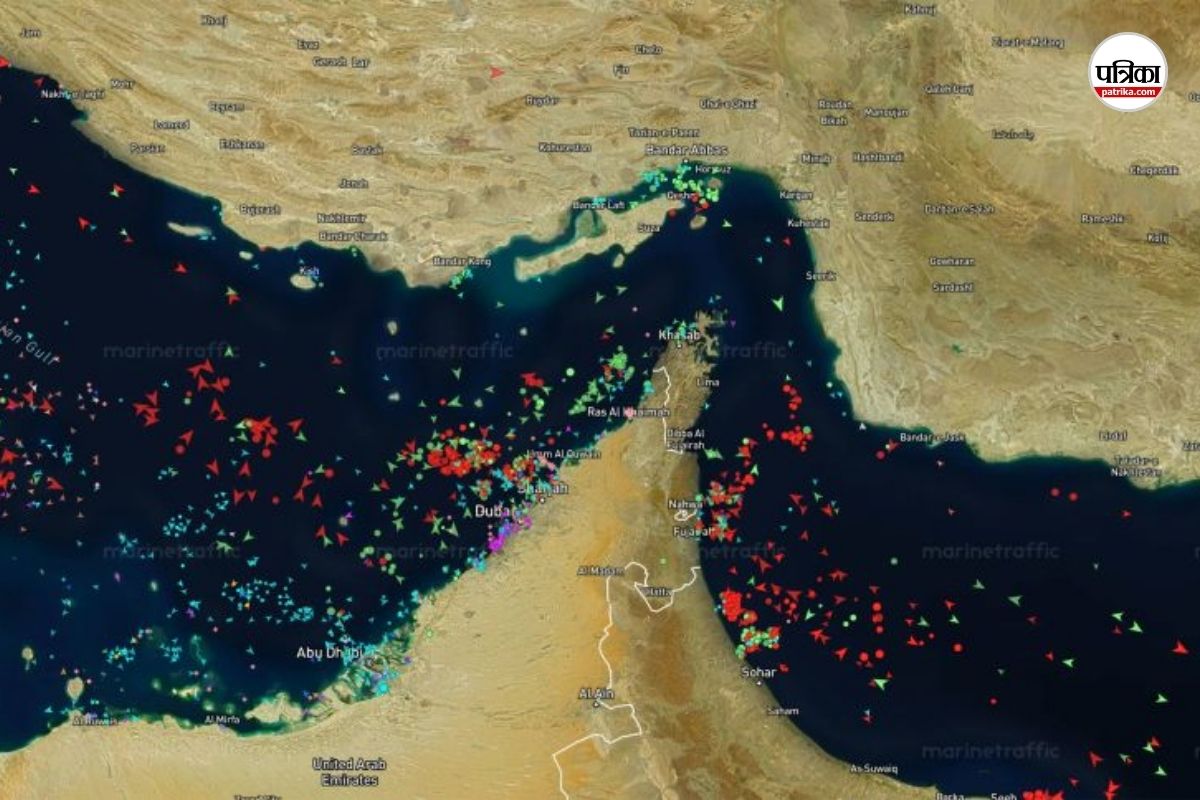
The Strait of Hormuz isn't just a narrow stretch of water between Oman and Iran. For India, it’s a literal lifeline. If you’ve noticed your grocery bill climbing or the price of petrol hitting new highs, you're looking at the ripple effect of what happens in this tiny corridor. When the Strait of Hormuz stays open and functional, India wins. When it doesn't, we pay the price at the pump and the vegetable market. It’s that simple.
Most people think of global trade as something abstract. It isn't. About one-fifth of the world’s total oil consumption passes through this 21-mile-wide choke point. For India, which imports over 80% of its crude oil requirements, the math is terrifyingly direct. A smooth flow through the Strait means stable energy prices. Stable energy prices mean lower logistics costs. And lower logistics costs are the only way we’re going to see a real dip in inflation across the board.
The Oil Connection You Can't Ignore
India depends on Middle Eastern nations like Iraq, Saudi Arabia, and the UAE for a massive chunk of its energy needs. Most of this oil travels through the Strait. If tensions rise or the passage gets blocked, insurance premiums for shipping tankers skyrocket. You might think a few extra dollars per barrel doesn't matter to you personally, but it does.
Oil is the "cost of costs." It powers the trucks that bring tomatoes from Kolar to Delhi. It runs the tractors in Punjab. When the landed cost of crude oil rises because of maritime instability, every single business in India feels the squeeze. They don't just absorb those costs; they pass them on to you. If the Strait of Hormuz remains open and secure, the risk premium on oil drops. That’s the first step toward bringing the Consumer Price Index (CPI) back into a comfortable zone.
Why Food Prices Depend on a Waterway Thousands of Miles Away
It sounds crazy to say your daal and chawal prices depend on Persian Gulf geopolitics, but that's the reality of 2026. India's agricultural sector is heavily reliant on fertilizers. We import a significant portion of our fertilizer requirements, or the raw materials to make them, from the Gulf region.
A disrupted Strait of Hormuz means delayed shipments of urea and phosphates. When fertilizers become expensive or scarce, the cost of farming goes up. This creates a nasty cycle. The farmer spends more to grow the crop, the transporter spends more on diesel to move the crop, and the retailer spends more to keep the lights on. By the time that produce reaches your bag, it’s double the price it should be. A clear Strait breaks this cycle. It ensures that the input costs for Indian farmers stay predictable.
The Natural Gas Factor
We also shouldn't forget Liquefied Natural Gas (LNG). India is pushing hard to become a gas-based economy to meet climate goals and reduce pollution in cities. Qatar is one of our biggest suppliers of LNG. Every single Qatari LNG tanker must pass through the Strait of Hormuz to reach Indian ports like Dahej or Kochi.
If this supply is interrupted, industries that rely on gas—like power plants and ceramic factories—have to switch to more expensive fuels or shut down. This hurts industrial output and contributes to "cost-push" inflation. Keeping the Strait open isn't just about petrol; it’s about keeping the entire industrial engine of India running without breaking the bank.
Trade Routes and the Export Boom
India is aiming for a trillion dollars in exports. You don't get there if your shipping routes are constantly under threat. The Strait of Hormuz is the gateway for Indian exports heading to the Middle East, which is one of our largest trading blocs. We send everything from Basmati rice and tea to machinery and apparel to these nations.
When the Strait is open and peaceful, Indian exporters can stick to their delivery schedules. Reliability is everything in international trade. If an Indian textile exporter can't guarantee a delivery because of "regional instability," the buyer will go to Vietnam or Bangladesh instead. A stable Strait ensures that "Made in India" remains a competitive label globally. This brings in foreign exchange, strengthens the Rupee, and indirectly helps fight inflation by making imports cheaper.
The Strategic Reality of 2026
We've seen enough "black swan" events lately to know that nothing is guaranteed. However, India's diplomatic weight is now heavy enough to influence these maritime realities. By maintaining strong ties with both Iran and the Arab nations, India acts as a stabilizing force in the region.
It's not just about hoping for the best. India has been investing in the Chabahar port in Iran to create an alternative route that bypasses some of the traditional choke points, but even that exists in the shadow of the Strait's stability. The reality is that for the next decade, our economic health is tied to those blue waters.
Real Steps for a Greener Wallet
Don't wait for the government to solve every piece of the inflation puzzle. While the opening and stability of the Strait of Hormuz provide the macro-level relief India needs, you can manage the micro-level impact.
- Watch the Crude: Keep an eye on Brent Crude prices. If they stay below $75-$80 per barrel, you can expect the RBI to be more relaxed with interest rates, which might mean lower EMIs for you eventually.
- Diversify Energy Use: If you're a business owner, look at moving away from diesel-reliant logistics where possible. The more we decouple from oil, the less the Strait of Hormuz can hurt our bottom line.
- Support Local Supply Chains: Shortening the distance between where food is grown and where it's eaten reduces the "diesel tax" on your groceries.
The Strait of Hormuz being open is the "green signal" the Indian economy needs to move from recovery into high-speed growth. It's the difference between a cooling economy and one that's overheating from unnecessary costs. When the ships move freely, your money goes further.