You’ve probably seen the word "chroming" pop up in a Reddit thread or a TikTok comment section lately and wondered if it’s some new gaming term or a tech hack. Honestly, I wish it were that harmless. It’s actually a rebranding of something much older and way more dangerous: huffing.
The term "chroming" used to refer specifically to sniffing chrome-based spray paint to get a quick, cheap high. Now, it's become a catch-all for inhaling anything from deodorant and hairspray to permanent markers and nail polish remover. It sounds like middle-school urban legend stuff, but in 2026, it’s a full-blown digital crisis.
What is Chroming on Reddit and Why Does it Keep Trending?
Reddit is a massive hub for this because it’s where "hidden" subcultures thrive. If you search for chroming on Reddit, you won’t just find warnings. You’ll find communities—some of which are actively moderated to prevent harm, while others are darker corners where people discuss "trips" or share "WhipTok" memes.
Why is it surging now? Accessibility.
You don’t need a dealer for this. You just need a trip to the cleaning aisle or your own bathroom cabinet. Kids and teens, often called Gen Alpha or Gen Z in these discussions, are drawn to it because it’s "legal" and cheap. There’s this weird, false logic that if you can buy it at a grocery store, it can’t be that bad for you. But that logic is deadly.
On platforms like TikTok, the "Chroming Challenge" has gone viral multiple times. Even though TikTok has tried to scrub hashtags like #chroming, users just pivot to things like "WhipTok" (referencing nitrous oxide whippits) or use misspelled tags to dodge the sensors. It creates a feedback loop where a kid sees a video, thinks it looks like a fun, dizzy 30-second buzz, and tries it without realizing they are literally suffocating their brain cells.
The Science of a 10-Second High
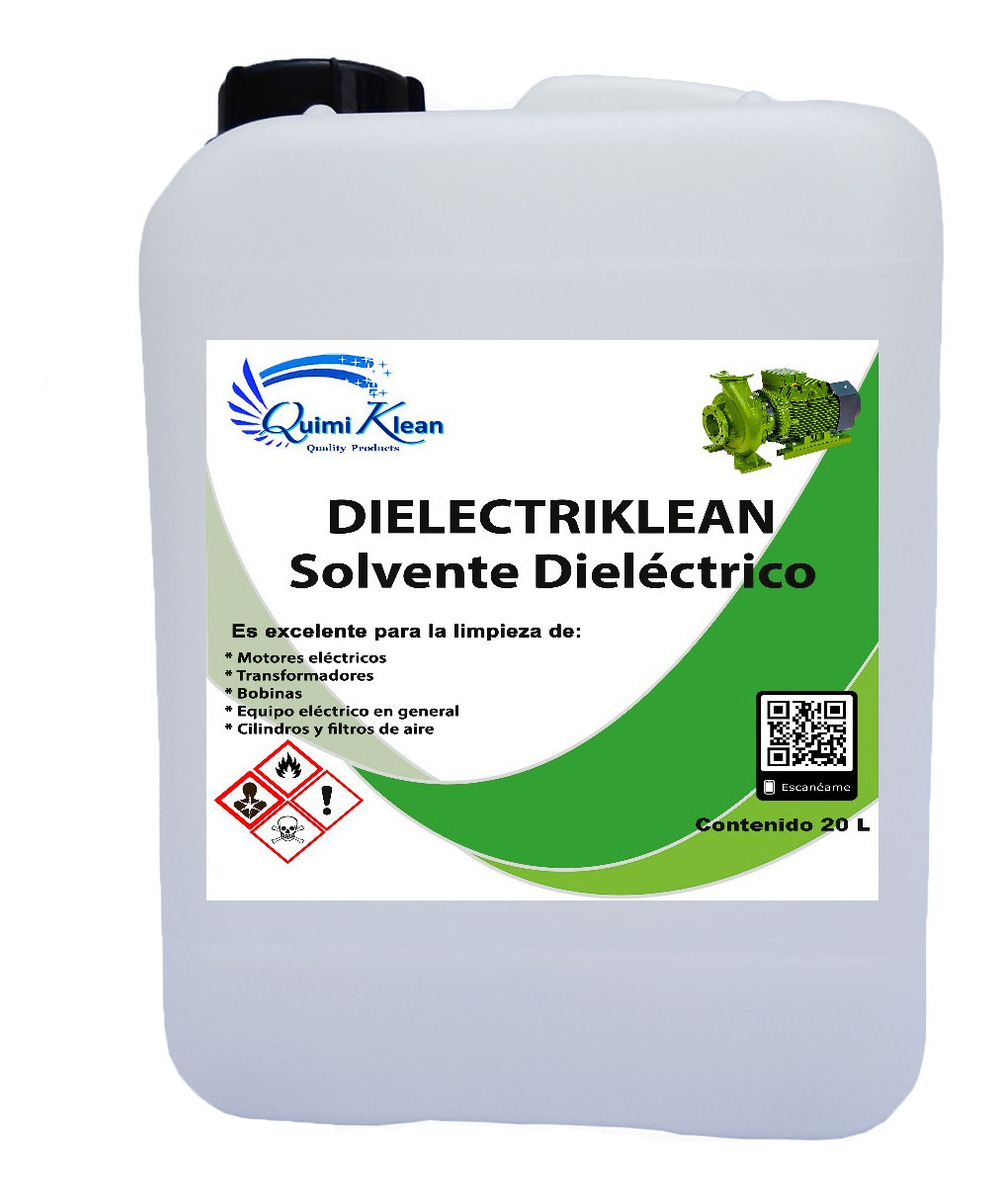
When someone "chromes," they are inhaling volatile substances. These chemicals—like toluene, butane, or propane—are hydrocarbons. They are designed to dissolve grease or propel hairspray, not to enter a human lung.
Once inhaled, these toxins hit the bloodstream almost instantly. They cross the blood-brain barrier and depress the central nervous system. It feels a lot like being "drunk" but hits much faster and harder. You get a rush of euphoria, dizziness, and sometimes hallucinations.
But here’s the terrifying part: the "high" happens because the chemicals are displacing oxygen in your brain.
What Really Happens to the Body
- Sudden Sniffing Death Syndrome (SSDS): This isn't a scare tactic; it’s a medical reality. A single session—even your very first time—can cause the heart to beat irregularly (arrhythmia) and just... stop. This often happens if the user is startled or engages in physical activity right after inhaling.
- Brain Damage: Chronic use literally eats away at the "white matter" in the brain. This is the insulation for your neurons. When it's gone, it doesn't really come back. We're talking about long-term memory loss, slurred speech, and a permanent drop in IQ.
- Organ Failure: The kidneys and liver have to filter these industrial toxins. Over time, they just give up.
- Asphyxiation: Some kids use the "bagging" method—spraying the chemical into a plastic bag and putting it over their head. If they pass out while the bag is still there, they suffocate.
Real Cases That Shook the Internet
This isn't just theory. We’ve seen heartbreaking stories over the last few years that started as a "dare" or a "challenge" and ended in a morgue.
In 2023, 13-year-old Esra Haynes from Melbourne, Australia, died after participating in a chroming challenge at a sleepover. She went into cardiac arrest and suffered irreparable brain damage. Her family has since become vocal advocates, trying to warn other parents that "one mistake" is all it takes.
Then there was the case of Tommie-Lee Gracie Billington, an 11-year-old in the UK who died in 2024 after trying the trend at a friend's house. These aren't "troubled kids" looking for hardcore drugs; these are children playing with household items because they saw a funny video online.
How to Spot the Signs
If you're a parent or a friend, the signs are often right under your nose, but they're easy to miss if you aren't looking.
- Chemical Odors: If a room or a person's breath smells like spray paint, glue, or heavy solvents for no reason, that's a massive red flag.
- The "Chrome Look": Look for actual paint stains on the hands, face, or clothes. Sometimes there’s a rash or sores around the mouth and nose (often called "huffer's rash").
- Missing Household Items: Are the cans of computer duster or hairspray disappearing faster than usual? Are there empty aerosol cans hidden in the trash or under a bed?
- Behavioral Shifts: A sudden drop in grades, extreme irritability, or a "drunken" appearance (slurred speech, stumbling) that fades within 30 minutes.
Actionable Steps for Prevention and Help
If you suspect someone is chroming, don't wait for a "better time" to talk.
- Audit Your Cabinets: It sounds extreme, but if you have a curious or impulsive teen, lock up the high-risk aerosols. Use "bitterant" versions of products (like computer duster) that have a foul taste added to discourage inhalation.
- Have the "Uncomfortable" Talk: Don't just say "drugs are bad." Explain the mechanics. Tell them that chroming isn't a "high"; it's oxygen deprivation that can stop their heart in seconds.
- Monitor Social Media Trends: Stay aware of what's trending on Reddit and TikTok. If you see them engaging with "challenge" culture, talk about the algorithm and how it pushes dangerous content for clicks.
- Seek Professional Intervention: If they are already doing it, this isn't a "phase" you can just lecture them out of. Inhalants can be physically and psychologically addictive. Contact a substance abuse counselor or a toxicologist immediately.
If you are in an emergency situation where someone has collapsed after inhaling, call 911 (or your local emergency number) immediately. Do not try to "wait it out." The window to reverse a cardiac event from inhalants is incredibly small.
To protect your household, start by identifying the most common inhalants in your home—spray paint, air fresheners, and cleaning solvents—and move them to a secure location or a high shelf where they aren't easily accessible for "experimentation."