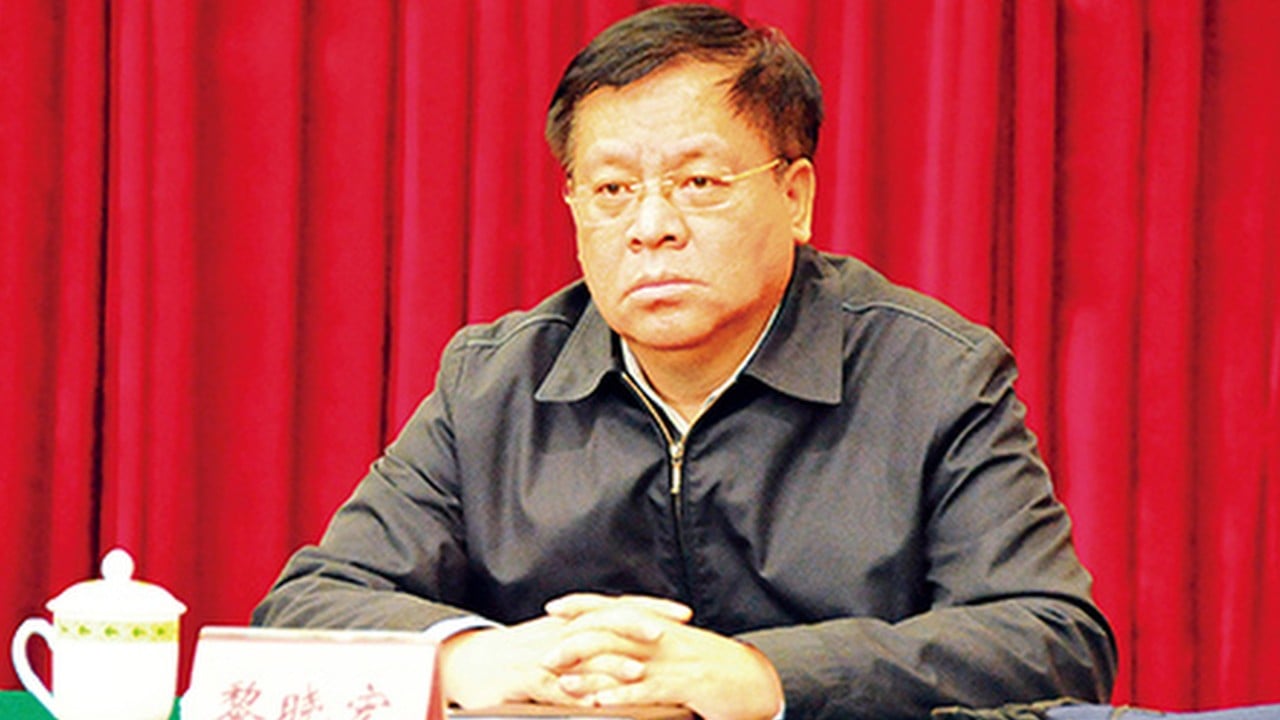
The ultimate hunters are now the hunted. If you think retiring from China’s powerful disciplinary apparatus buys you a permanent pass, think again. The Central Commission for Discipline Inspection (CCDI) just proved that retirement is no longer a safe harbor for the country's former elite enforcers.
The CCDI announced that Li Xiaohong, the 73-year-old veteran who once directed high-profile national anti-corruption sweeps, is under investigation. The official line is the standard euphemism. He is suspected of "serious violations of discipline and law."
This isn't just another routine announcement. It sends a massive shockwave through Beijing’s financial and regulatory networks. Li Xiaohong spent decades operating at the exact intersection of state-level discipline inspection and securities market management. His downfall signals that the long-standing anti-corruption campaign is entering a more aggressive phase. It targets the very people who built the enforcement playbook.
The Watchman Caught in the Net
Li Xiaohong wasn't a minor bureaucrat. He was a pioneer in China’s modern financial markets. Back in 2000, he took the reins as chairman and party secretary of Huaxia Securities. When that firm restructured in 2005, it became China Securities. He didn't stop there. He later climbed to top executive roles, including serving as a director of Citic Securities and chairman of China Securities.
But his true power base emerged when he moved into the regulatory shadows. Li became the top disciplinary official embedded within the national securities regulator. Eventually, he rose to become the Director of the Central Office in Charge of Discipline Inspection Tours. In that role, he literally managed the teams sent to uncover corporate and political malfeasance across the country.
In 2015, Li was the public face of China's anti-graft efforts on the global stage. He led the Chinese delegation at the International Anti-Corruption Academy assembly in Vienna. He gave speeches about a "zero-tolerance attitude" and boasted that there were no forbidden zones. He called the party's inspection tours a "sharp sword to punish corrupt officials."
Now, eleven years after that speech, that exact sword has turned on him.
Why Retirement No Longer Protects China Financial Elites
For decades, an unwritten rule existed in Chinese political life. Once an official safely hit retirement age and stepped away from active duty, their past actions were mostly left in the past. That grace period is completely dead.
Li Xiaohong retired nine years ago.
Pulling a 73-year-old out of a decade of quiet retirement means the CCDI is actively auditing historic financial decisions. The timeline matters here. Li’s active years coincided with the massive commercialization and wild-west expansion of China's domestic brokerage firms and state-backed investment houses. The authorities aren't just looking at current bribes. They're unearthing legacy networks, old deals, and structural favors traded in the early 2000s and 2010s.
This is part of a deliberate pattern. Look at the recent track record of the financial purge. We've seen the downfall of figures like Li Xiaopeng, the former chairman of China Everbright Group, and Liu Liange, the former head of the Bank of China. The state is systematically cleaning out the old guard of the financial sector. They want to break the deep-seated patronage networks that survived the first waves of the anti-graft campaign.
The Strategy Behind Targeting the Enforcers
When a regime starts investigating its own top graft inspectors, it reveals a deeper institutional anxiety. It means the system realizes that the watchdogs can be bought just as easily as the market players.
During his active tenure, Li Xiaohong wrote extensively about how inspectors needed to coordinate with police, audit agencies, and judicial organs to build airtight cases. He understood the machinery of state surveillance and financial tracking better than almost anyone. If someone with that level of systemic knowledge faces a probe, it means the CCDI has collected an overwhelming amount of data that bypasses traditional blind spots.
The ongoing "self-revolution" campaign isn't just about optics. It has a real, practical economic goal. Beijing wants tighter state control over capital flows and less systemic risk in the financial sector. To achieve that, they need absolute loyalty and clean books from regulators. If old-school executives retain behind-the-scenes influence over major brokerages, the state's economic directives get diluted.
What This Means for Domestic and Foreign Investors
If you're managing capital or navigating partnerships in China's financial landscape, you need to adjust your risk calculus. The arrest of a figure like Li Xiaohong proves that historical due diligence is mandatory.
- Audit your legacy relationships. Connections to retired regulatory giants or early pioneer executives are no longer political armor. They might actually be liabilities.
- Expect compliance tightening. Brokerages, investment funds, and joint ventures will likely face intense internal audits as firms scramble to distance themselves from past leadership networks.
- Watch for executive turnover. As these older networks unravel, expect sudden management shakeups across state-owned enterprises and financial institutions.
The era of relying on an untouchable patron is over in China's financial markets. The rules apply retroactively, and the watchdogs are looking closer than ever.