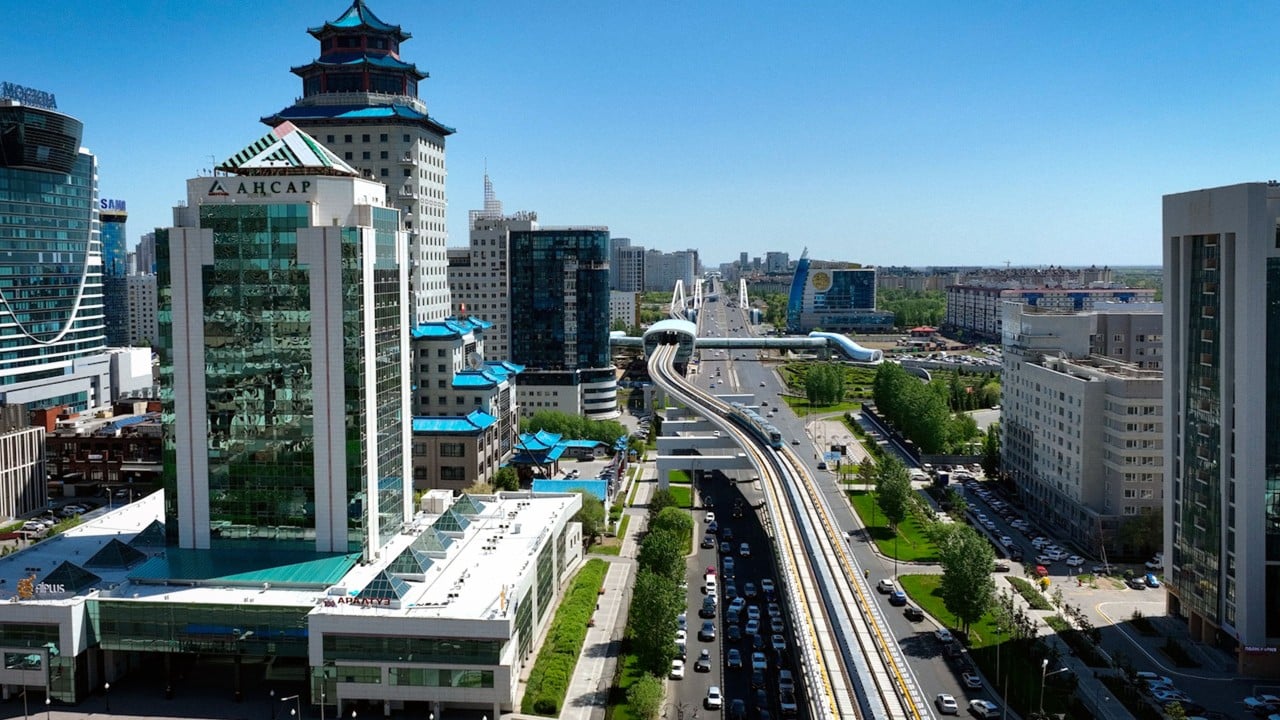
The traditional playbook for international finance is broken. For decades, resource-rich nations in Central Asia looked exclusively to London or New York to raise capital and structure their legal frameworks. That era is ending. Right now, Kazakhstan is aggressively redirecting its financial strategy toward East Asia, positioning Hong Kong as its primary financial gateway to global markets.
This isn't just a minor diplomatic shift. It is a massive structural realignment of how capital moves along the historic Silk Road. If you think Kazakhstan is just about oil and mining, you're missing the bigger picture. The country is executing a massive economic diversification strategy, and it is using Hong Kong's unique legal and financial ecosystem to fund it.
The Common Law Connection
The real catalyst for this expanding partnership isn't just trade volume. It is legal infrastructure. Businesses hate legal uncertainty, especially when operating across emerging markets. Kazakhstan solved this problem by creating the Astana International Financial Centre (AIFC), a specialized economic zone that intentionally mirrors the legal systems of the world's top financial hubs.
The AIFC handles civil and commercial matters under common law, operating with its own independent common law court. This matches Hong Kong's legal architecture. When a Hong Kong financial institution or professional services firm looks at Kazakhstan, they don't find a confusing, unfamiliar regulatory environment. They find a system they already understand.
This legal alignment has created a massive pipeline of corporate activity. The AIFC has brought in over $21 billion in investment since launching in 2018. As of mid-2025, over 14 Hong Kong companies and more than 700 mainland Chinese firms registered inside the AIFC. This shared legal language makes cross-border deals smoother, cheaper, and far less risky for international asset managers.
Moving Beyond Oil with Dim Sum Bonds
For a long time, the oil and gas sector dominated Kazakhstan’s economy, making up nearly 20% of its GDP back in 2010. By last year, that number dropped to 11.9%. The country is intentionally shrinking its reliance on fossil fuels, shifting its focus toward technology, infrastructure, and advanced logistics.
To fund this transition, Kazakh institutions are bypassing traditional Western debt markets and leaning heavily into offshore Renminbi (RMB) liquidity. A perfect example of this happened when the Development Bank of Kazakhstan issued a three-year, 2 billion yuan "dim sum" bond right in Hong Kong.
This move accomplished two things at once. It gave Kazakhstan direct access to deep pools of Chinese and international capital, and it reinforced Hong Kong’s position as the premier offshore RMB hub. We are also seeing a new trend of dual listings. A major tungsten mining operation recently chose to list simultaneously on both the Kazakh and Hong Kong stock exchanges. By listing in Hong Kong, Central Asian firms can capture international capital that they simply cannot reach from home.
The Digital Nomad Leap
While the West views Central Asia through an old-school industrial lens, Kazakhstan quietly turned into a digital banking powerhouse. According to Bauyrzhan Dosmanbetov, the Consul-General of Kazakhstan in Hong Kong, 80% of Kazakh government services are completely electronic. Residents pay taxes with one click and board domestic flights without showing a physical passport.
A single fintech company now serves over 14 million active users in the country, introducing advanced retail tech like "pay by palm" biometrics. This rapid tech adoption opens huge doors for Hong Kong fintech firms. Kazakhstan has the digital infrastructure and an eager consumer base, but it needs the international scaling expertise and capital market access that Hong Kong specializes in.
What Happens Next
The momentum behind this corridor is accelerating fast. A massive trade and ministerial delegation featuring over 60 senior business leaders from Hong Kong and mainland China is heading directly to Kazakhstan and Uzbekistan to lock down deeper ties. This represents the largest overseas business delegation organized by the current Hong Kong administration.
If you want to capitalize on this shifting capital flow, here is how to position your business:
- Evaluate the AIFC Framework: If you offer legal, compliance, or financial advisory services, review the AIFC common law guidelines. The regulatory familiarity means you can expand your practice into Central Asia without retraining your team on a completely foreign legal system.
- Target Capital Access for Tech and Logistics: Kazakh firms are actively searching for funding to build smart cities, upgrade logistics hubs, and scale fintech platforms. Hong Kong asset managers should position themselves as the bridge to offshore RMB liquidity.
- Look for Supply Chain Multipliers: Kazakhstan acts as the primary overland logistics hub between China and Europe, managing roughly 60% of Central Asia's total GDP. Establishing partnerships here provides an anchor point for broader Eurasian trade.
The financial bridge between these two hubs is officially built, and the capital flows are only moving in one direction.
The video Central Asia opportunities eyed offers a direct broadcast report outlining the upcoming high-level delegation and the expanding financial ties between Hong Kong and the region.