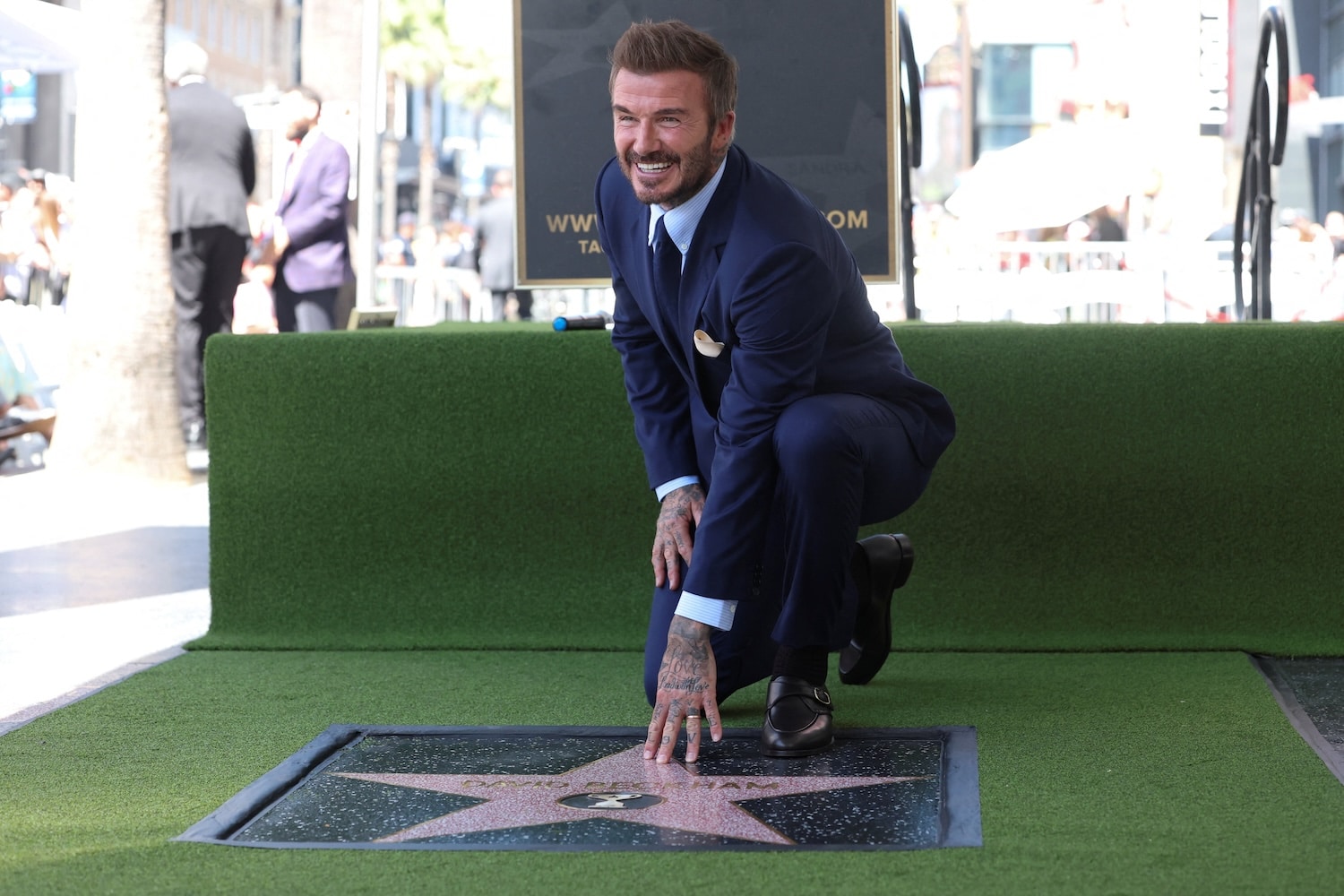
The internet went into a collective meltdown because a pop star and a prime minister shared a supposedly candid afternoon. The breathless coverage painted a picture of pure, unadulterated connection—two global icons just living in the moment, bridging the gap between political power and pop culture royalty.
It is a beautiful narrative. It is also complete marketing fiction.
What the mainstream media covers as an authentic, perfect afternoon is actually a highly orchestrated exercise in mutual brand rehabilitation. We are conditioned to look at these interactions through the lens of fan culture, treating geopolitical figures like influencers and entertainers like diplomats.
When you strip away the optics, you are left with a transactional arrangement that serves the elites while distracting the public from actual policy and substance.
The Myth of the Authentic Photo Op
Mainstream entertainment journalism operates on a flawed premise: that when powerful people hang out, it is driven by personal chemistry. They want you to believe that world leaders and chart-topping artists just happen to find pockets of free time to share a laugh.
They do not. Every movement is logged. Every backdrop is vetted. Every candid smile is negotiated.
In public relations, this is known as cross-pollination. A politician struggling with youth approval ratings gains instant cultural relevance by standing next to a pop icon. Conversely, an artist looking to cement their legacy as a serious global citizen gains institutional legitimacy by rubbing shoulders with a head of state.
It is a symmetrical trade of social capital. The politician gets a coat of cool paint; the celebrity gets a veneer of intellectual gravitas.
To call this "perfect" is to misunderstand the mechanics of modern reputation management. It is not a friendship. It is an exchange rate.
The Cost of the Distraction Engine
During my years analyzing media strategies and corporate PR campaigns, I watched organizations spend millions trying to manufacture the exact kind of viral intimacy that these high-profile meetups achieve effortlessly. The public buys it because human beings are wired to seek out narrative harmony. We want to believe that the people running the world and the people soundtracking our lives are part of a grand, benevolent club.
But this facade comes with a steep price tag.
- Policy Erosion: When a head of state spends their media capital on cultural optics, real legislative scrutiny takes a backseat. A photo op replaces a press conference.
- Cultural Sanitization: Artists who once challenged power are pulled into the machinery of statecraft, neutralizing their ability to act as genuine counter-cultural voices.
- Public Apathy: Complex geopolitical realities are reduced to aesthetic content, leaving the electorate entertained but fundamentally uninformed.
Imagine a scenario where a corporate CEO faced a massive regulatory crisis, and instead of addressing the board, they booked a highly publicized lunch with a top-tier fashion designer. The business community would call it a desperate deflection. Yet, when political figures execute the exact same playbook with entertainers, the public claps and demands to know what they ordered for lunch.
Dismantling the Premise of the Great Humanizer
Go to any search engine and look at what people ask about these interactions. The queries are painfully superficial.
- Are they actually friends?
- What did they talk about?
- Who wore it better?
These are the wrong questions. The premise itself is broken. You are asking about the personal dynamics of a script.
The brutally honest answer to what they talked about is simple: scheduling, mutual press releases, and the specific parameters of what their respective teams would allow to be leaked to the press. They are not discussing global economics or artistic inspiration. They are discussing the grid.
The downside to acknowledging this reality is bleak. It forces us to admit that the cultural figures we look up to are deeply embedded in the establishment, not fighting against it. It forces us to look at political leadership as a branch of the entertainment industry rather than an objective exercise in governance. It strips away the comfort of the fairy tale.
The New Playbook for the Discerning Viewer
Stop treating the intersections of power and pop culture as lifestyle content. If you want to understand what is actually happening when the elite gather, you have to change the way you consume the media around it.
Track the Timing, Not the Outfits
Look at what else happened on the day the photos dropped. Did a controversial bill pass? Did economic indicators tank? Did an approval rating hit a new low? The viral photo is almost always a shield or a smoke screen.
Follow the Institutional Funding
Look at the organizations hosting these meetings. Who funds the galas, the summits, and the private dinners? You will find that the bridge between Hollywood and government is paved with corporate lobbying money looking for a soft landing.
Measure the Legislative Output
If a politician claims an alliance with a celebrity promotes a cause—whether it is climate change, mental health, or education—ignore the speeches. Check the budget allocations six months later. If the money did not move, the meeting was a fraud.
The industry wants you to stay hyper-focused on the sparkle. They need you to debate the body language, the style choices, and the superficial charm because as long as you are arguing over the wrapper, you are not looking at what is inside the box.
The next time you see a curated slice of elite harmony splashed across your feed, do not celebrate it. Question it. Reject the narrative of the perfect afternoon and look for the ledger. The truth is never found in the smile; it is found in the transaction.