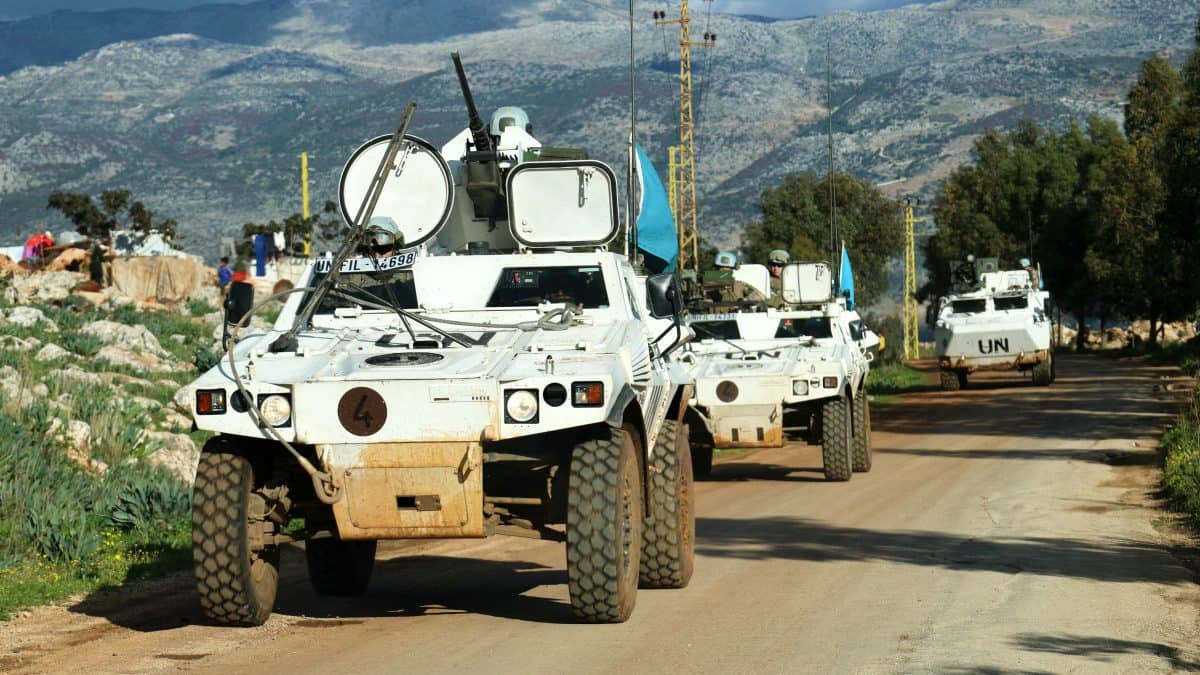
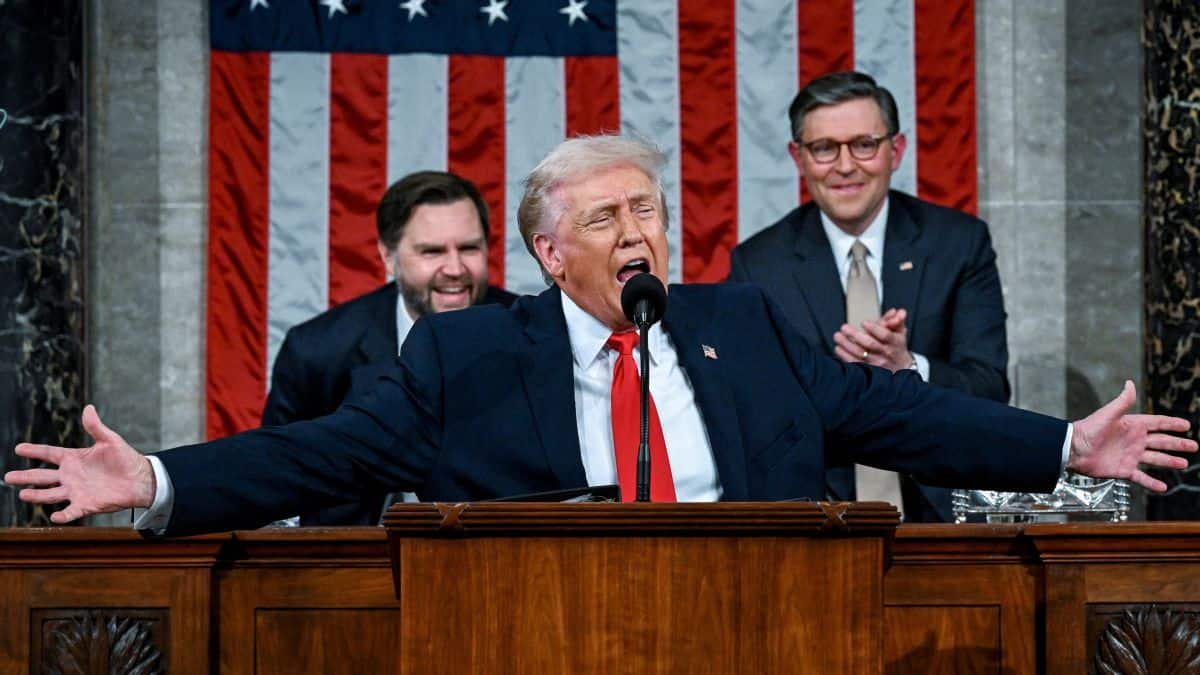
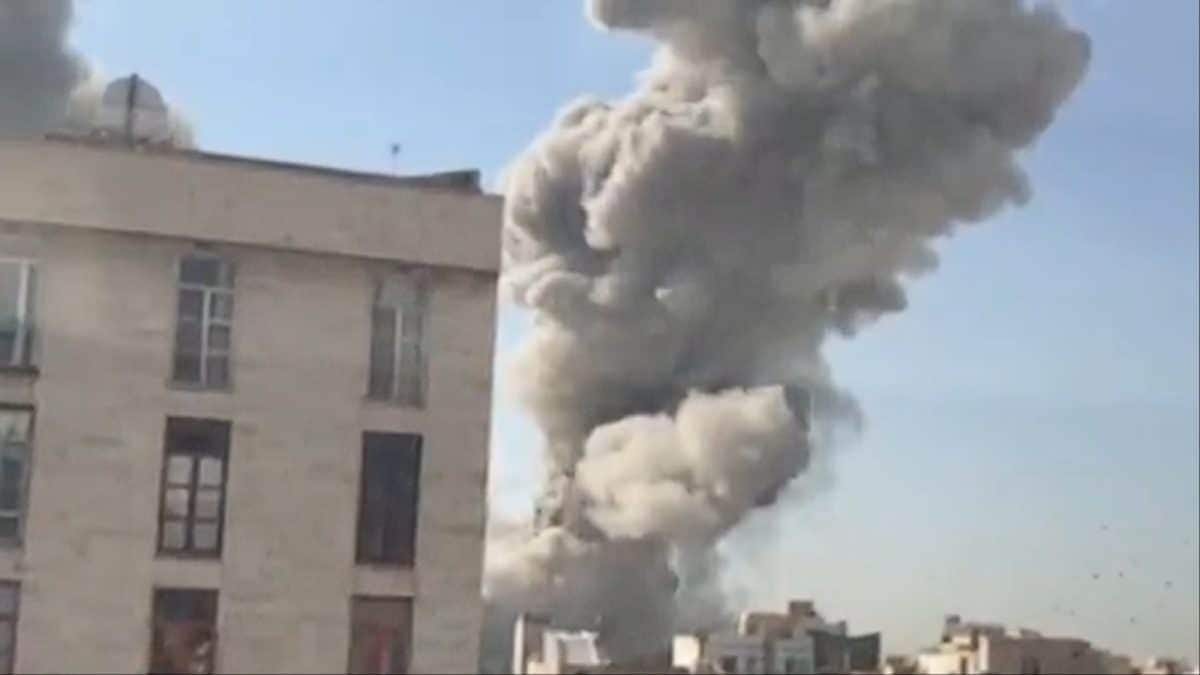
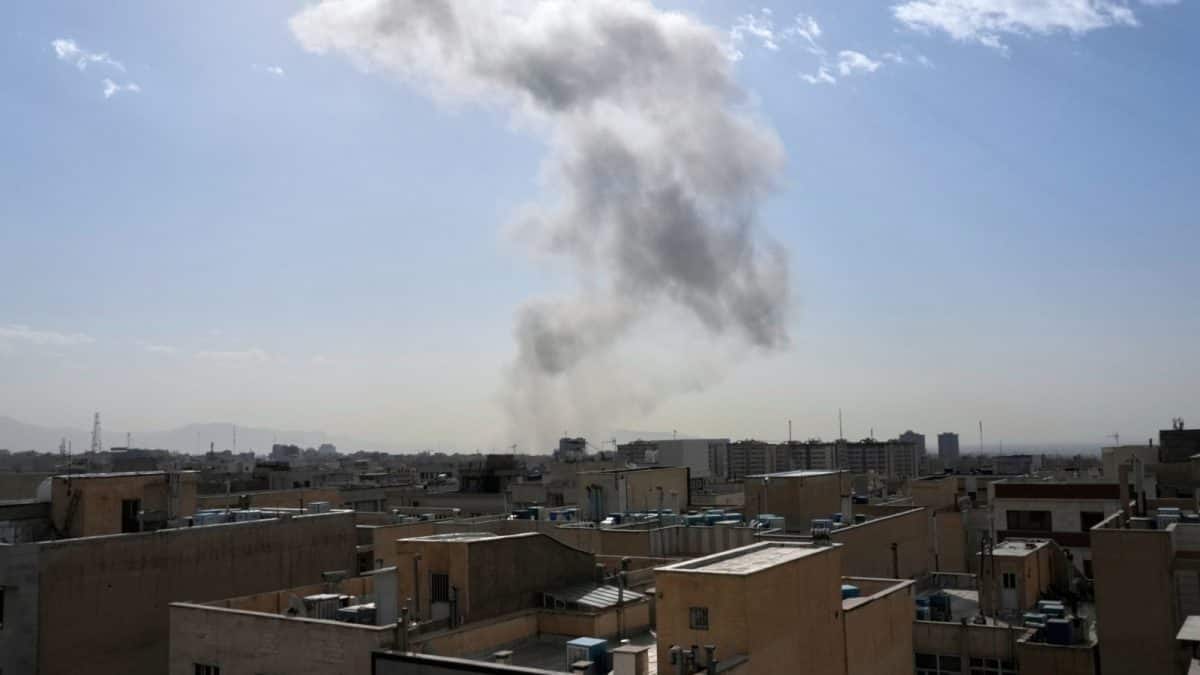
The world is currently flirting with a dangerous, old idea. It’s the notion that "might makes right," a philosophy where the biggest player in the room gets to set the table, eat the food, and kick everyone else out if they feel like it. We spent the better part of a century trying to build a system that prevents this. Now, that system is fraying. If you look at the headlines coming out of Ukraine, the South China Sea, or trade wars across the Atlantic, you'll see the same pattern. The rule of law is being replaced by the rule of the fist.
This isn't just about high-level diplomacy or maps in a war room. It affects your gas prices, your data privacy, and whether your kids grow up in a world where a border is a real thing or just a suggestion for a neighbor with a larger army. We've reached a point where we have to decide if we're going back to the 19th century or if we're going to fight for a global order that actually protects the little guy. Read more on a similar subject: this related article.
The illusion of the strongman's peace
Some people argue that a world run by raw power is actually more stable. They think that if a few superpowers just "divide" the world into spheres of influence, everyone will know their place and stop fighting. That's a lie. History shows us exactly what happens when we let raw power dictate terms. It leads to a constant, grinding state of anxiety. Smaller nations start arming themselves to the teeth because they know no treaty will save them.
Look at the period leading up to 1914. It was a masterpiece of "power balancing" and secret deals between empires. It ended in a slaughterhouse. When you remove a shared set of rules—what we call the international body of law—you don't get peace. You get a temporary truce that lasts only as long as the biggest bully stays fed. More reporting by The New York Times delves into similar views on the subject.
The moment that bully wants more, the truce evaporates. We’re seeing this play out in real-time. When a permanent member of the UN Security Council ignores the very charter they're supposed to uphold, it sends a signal to every other aspiring autocrat. It says the rules are for the weak. If you're strong enough, the rules don't apply.
Why the rules based order actually mattered
It’s easy to be cynical about international organizations. The UN is often slow. The World Trade Organization (WTO) can be toothless. But these institutions weren't created out of some hippie dream of global harmony. They were created by hard-nosed survivors of World War II who realized that total war is bad for business and even worse for survival.
The system they built focused on a few core ideas:
- Sovereignty is a right, not a privilege granted by neighbors.
- Disputes should be settled in courts or through arbitration, not by moving tanks.
- Trade should be governed by predictable agreements, not whims.
When these rules work, you don't notice them. You notice them when you go to the store and the shelves are full of electronics from five different continents. You notice them when you travel abroad and your passport is respected. Raw power puts all of that at risk. If we move to a world where only power matters, trade becomes a weapon. One country can decide to starve another of essential minerals or energy just because of a political disagreement. We’re already seeing "de-risking" and "friend-shoring" become the new buzzwords in Washington and Brussels. That’s just a polite way of saying the global trust is broken.
The high cost of cynicism
Many people today feel like the "international rules" were always a sham. They point to the invasion of Iraq or various interventions by Western powers as proof that the "rules" were only ever a tool for the powerful. Honestly, there's some truth to that. The system has been applied inconsistently. It's had huge holes.
But the answer to an imperfect system isn't to burn it down and go back to the jungle. If a law is broken, you fix the law or you hold the lawbreaker accountable. You don't abolish the concept of law entirely.
If we accept a world governed by raw power, we accept a world of permanent instability. In that world, human rights aren't universal. They're just "Western preferences" that can be ignored if you have enough oil or a large enough nuclear arsenal. That’s a terrifying prospect for anyone living under a regime that doesn't care about the ballot box. Without an international standard to appeal to, those people are truly alone.
Breaking the cycle of aggression
Rejecting raw power means more than just giving speeches at the UN. It requires actual sacrifice from the world’s biggest economies. It means sticking to trade rulings even when they hurt your domestic industries. It means sanctioning aggressors even when it makes your electricity bill go up.
The current trend toward "transactional" foreign policy—where every move is a direct trade-off and long-term principles are ignored for short-term wins—is a fast track back to 1930s-style chaos. We need to stop treating international law like an optional buffet. You can't just pick the parts you like and leave the rest.
What actually happens if we fail
If the global community fails to push back against the "might makes right" mindset, we’re looking at several specific, ugly outcomes:
- Nuclear Proliferation: If international law can't protect a country's borders, every country with the budget for it will try to get a nuclear deterrent. This makes the world exponentially more dangerous.
- Economic Fragmentation: Instead of one global market, we’ll have three or four competing blocs that don't talk to each other. Everything will get more expensive.
- The End of Global Problem Solving: You can't fix climate change or manage AI safety in a world where everyone is trying to stab each other in the back. These are issues that require a baseline of trust that raw power destroys.
Rebuilding the foundation
The path forward isn't about nostalgia for the 1990s. We can't go back to a world where one or two countries ran everything. The new reality is multipolar. That’s fine. Multipolarity can work, but only if every pole agrees to stay within the same fence.
We need to modernize the institutions. The Security Council needs to reflect the world of 2026, not 1945. We need new rules for digital warfare and space exploration. But the underlying principle has to remain the same: the law must be higher than the leader.
You can contribute to this shift by demanding transparency from your own government's foreign policy. Stop rewarding politicians who talk about international relations as a zero-sum game where "we win and they lose." In a world of raw power, everyone eventually loses.
Start by supporting organizations that track human rights abuses and international law violations. Pay attention to trade policies that bypass established norms. When we stop caring about the rules, we give the bullies permission to take over. Don't give them that permission. We've seen that movie before, and the ending is always the same. It ends in ruins. It's time to choose a different script.
Watch how your representatives vote on international aid and treaty obligations. Demand that they prioritize long-term stability over short-term nationalist wins. Read up on the history of the post-war consensus to understand exactly what we're about to throw away. If we don't stand up for a rules-based world now, we'll find ourselves living in a world where the only thing that matters is how much damage you can do to your neighbor. And that is no way to live.