Canada just signed a massive energy deal with Germany, but don't look at the pipelines if you want to understand what's actually happening. Look at the geopolitical chessboard.
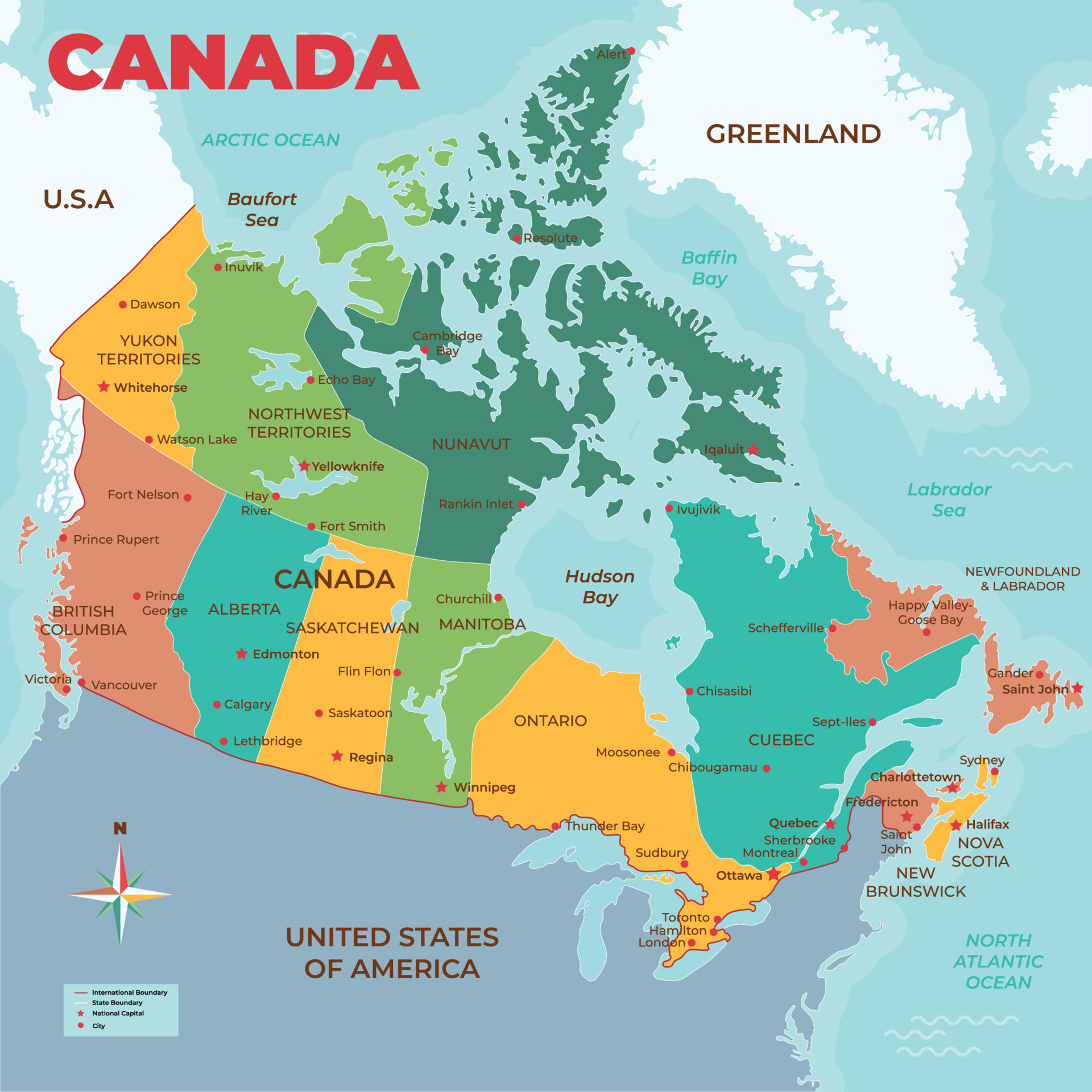
Under the agreement, Canada will export up to one million metric tons of liquefied natural gas every single year from a planned facility on the coast of British Columbia straight to Germany. The deal involves the German state-owned utility SEFE and the proposed 10-billion Canadian dollar Ksi Lisims LNG terminal. The shipments won't start flowing until the early 2030s.
So why is everyone talking about it right now? Because Canadian Prime Minister Mark Carney is trying to solve a massive, terrifying problem: Canada is completely trapped by its dependence on the United States economy.
With Donald Trump back in the White House imposing tariffs and threatening more economic disruption, Carney has set an aggressive goal to double Canada’s non-U.S. trade within a decade. This gas deal isn't just a business transaction. It's the first major crack in Canada's forced economic loyalty to its southern neighbor.
Breaking Free From the American Monopoly
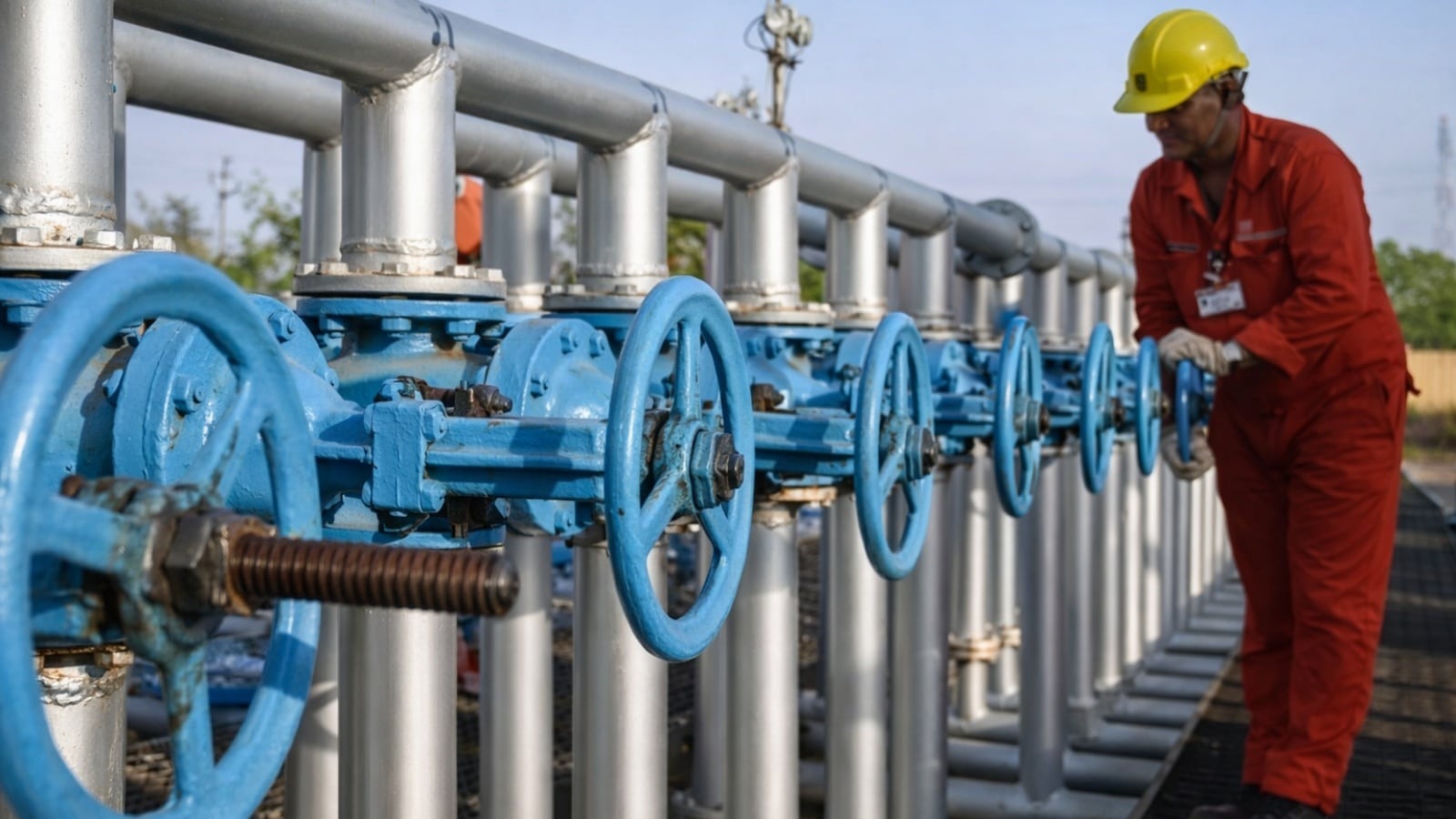
Right now, Canada exports almost all its oil and gas directly to the United States. It's a comfortable arrangement when times are good, but it's a structural nightmare when Washington decides to get protectionist. The U.S. essentially holds a monopoly on Canadian energy exports, buying the product cheap, refining it, and sometimes selling it back or exporting it at a massive premium.
Carney knows this vulnerability inside out. Since taking office last year, he has been flying around the world trying to find anyone else to buy Canadian goods. This German deal is his first massive win.
But let's look at the actual logistics because they reveal exactly how desperate both countries are. The gas is coming from the Ksi Lisims facility, which is a floating terminal planned for Pearse Island, right up by the Alaska border. To get that gas to Germany, ships will either have to traverse the Panama Canal, navigate the Suez Canal, or participate in a complex global swap where Canadian gas goes to Asia and an equivalent amount of gas from another source gets redirected to Europe.
It sounds incredibly convoluted. It is. It's also going to be expensive. But for Germany, paying a premium for Canadian gas makes perfect sense because their previous strategy blew up in their face.
The Ghost of Gazprom
To understand why Germany is willing to buy gas from the literal opposite side of the world, you have to look at SEFE, the company buying the gas. SEFE stands for Securing Energy for Europe. If that sounds like a government agency, that's because it basically is. It used to be the German subsidiary of Russia's state-owned Gazprom.
Germany nationalized the company in 2022 after Vladimir Putin cut off the pipelines to Europe. The weaponization of Russian gas fueled inflation, shut down German factories, and forced Berlin to realize that cheap energy from a dictator is a trap.
Germany needs stable, democratic trading partners. Canada fits the bill perfectly. Even if the shipping routes are a logistical puzzle, a multi-decade contract with Ottawa means German factories can rely on a steady supply that won't be shut off because of a geopolitical whim.
The Trillion Dollar Catch
While the political optics look fantastic for both Carney and German officials, the actual project faces a massive hurdle. The Ksi Lisims LNG project isn't built yet.
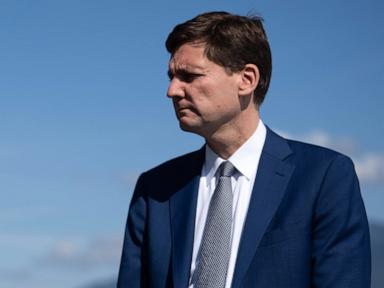
British Columbia Premier David Eby openly admitted that this supply agreement is just a stepping stone. The project has the regulatory permits it needs, but the consortium backing it hasn't actually made a final investment decision. They needed these big international buyers to prove the project is viable before they drop 10 billion dollars on construction.
Ksi Lisims is a unique beast. It's co-owned by the Nisga’a Nation, Western LNG, and Rockies LNG. It's designed to be a floating facility that will eventually export up to 12 million metric tons per year, making it the second-largest LNG terminal in Canada. They've already locked in smaller agreements with Shell and TotalEnergies, but the German government's backing gives the project the financial heavyweight status it desperately needed.
What This Means for Global Energy Markets
If you're tracking the energy sector, this deal changes the playing field for the next twenty years. It proves that the global energy market is fracturing into ideological blocs.
The main competitors for Canadian gas aren't in Europe or Russia anymore; they're the massive U.S. export terminals along the Gulf of Mexico. By bypassing the Gulf and building out Pacific coast infrastructure, Canada is positioning itself to supply both European allies and Asian markets directly.
For investors and industry players, the next move is watching whether the Ksi Lisims consortium officially triggers construction. If they do, expect a massive influx of infrastructure capital into northern British Columbia. For businesses relying on global supply chains, it's time to start factoring in higher, more volatile energy transport costs as the world pivots away from cheap, localized pipelines toward secure, long-distance shipping routes. Diversifying away from single-source suppliers isn't just a strategy for prime ministers anymore; it's the baseline requirement for surviving the next decade of global trade.