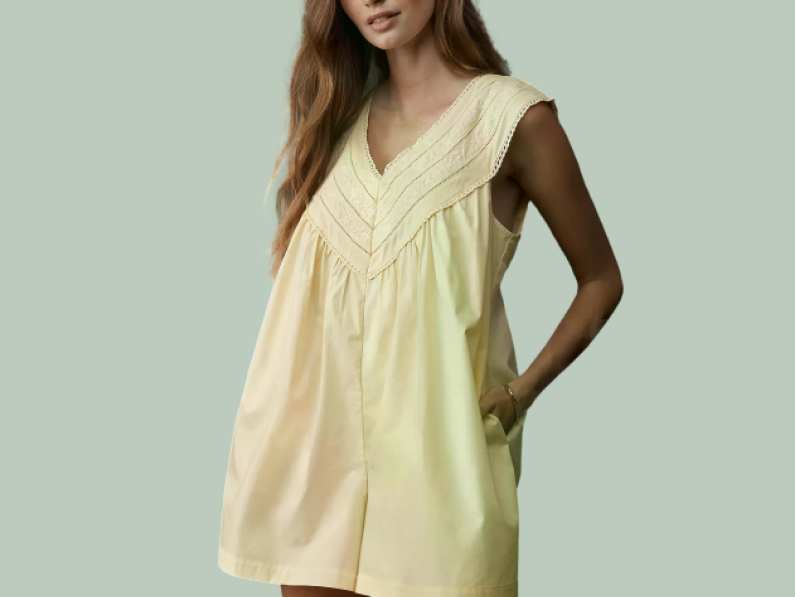
The internet is flooded with curation lists promising to solve your summer wardrobe crisis for less than the price of a decent dinner. They promise high-end aesthetics at bargain-basement prices. They parade ten cheap polyester items under $100 as "must-have essentials."
It is a lie.
The budget summer haul is a financial trap dressed up in seasonal optimism. I have spent fifteen years analyzing apparel supply chains, manufacturing margins, and textile life cycles. I can tell you exactly what happens when you buy a $45 summer dress or a $30 linen-blend shirt. You are not beating the system. You are funding your own stylistic bankruptcy.
Cheap summer fashion is an oxymoron. Warm-weather clothing faces the harshest wearing conditions of the year: high friction, constant sweat, frequent washing, and intense UV exposure. Building a hot-weather wardrobe out of cheap materials is the fastest way to look unkempt, feel miserable, and throw money directly into a landfill.
The Low Cost Illusion
The premise of the under-$100 curation list is simple: save money now, look good today. But the math does not hold up.
Let us look at the true mechanics of a $50 fast-fashion summer dress.
To retail at $50, the manufacturing cost of that garment cannot exceed $8 to $10. That budget must cover fabric, hardware, labor, shipping, duties, and packaging. To hit that number, brands resort to cheap synthetic fibers, primarily polyester, nylon, and low-grade viscose.
Polyester is plastic. Wearing woven plastic in 90-degree weather creates a personal greenhouse effect. It traps heat. It holds onto sweat, allowing odor-causing bacteria to thrive. You will wash it after every single wear because it smells.
Because it is cheap, low-twist yarn, frequent washing triggers rapid degradation. The seams puckers. The hem frays. The color fades. By August, that $50 dress is unwearable.
Now, consider the alternative. You buy a single, high-quality, long-staple organic cotton or pure linen dress for $220. It breathes. It wicks moisture. It survives forty washes without losing its structural integrity. It lasts for three summers minimum.
- The Cheap Option: Three $50 dresses per summer = $150. Multiplied by three years = $450 total spend. Cost per wear? Roughly $5.
- The Premium Option: One $220 dress. Lasts three years. Worn thirty times a summer. Cost per wear? Less than $2.50.
The budget list is actually the expensive option. It forces you into a continuous cycle of replacement.
Dismantling the Cotton Blend Deception
Look at any budget summer fashion round-up and you will see items proudly labeled as "linen-blend" or "cotton-rich."
This is marketing sleight of hand.
The textile industry uses blending to slash production costs while hijacking the prestige of natural fibers. When an item is 85% polyester and 15% linen, it inherits none of the performance benefits of linen. It does not wick moisture. It does not cool the skin. It merely wrinkles like linen while heating you up like polyester.
The minimum threshold for a blend to retain the functional characteristics of its premium fiber is roughly 70%. If a shirt is not at least 70% pure linen or long-staple cotton, you are purchasing a synthetic shirt with a marketing glow-up.
The Real Cost of Natural Fibers
True performance fabrics cost money because their production cannot be easily automated or skipped.
| Fabric Type | Cost per Yard (Wholesale) | Lifespan (Washes) | Breathability Rating |
|---|---|---|---|
| Low-Grade Polyester | $0.50 - $1.50 | 10 - 15 | Poor |
| Standard Viscose/Rayon | $1.50 - $3.00 | 15 - 20 | Moderate |
| Long-Staple Cotton | $4.00 - $8.00 | 50+ | Excellent |
| Pure Belgian Linen | $8.00 - $15.00 | 100+ | Superior |
When a brand sells a pure linen shirt for $45, they are cutting corners elsewhere. They are using short-staple linen flax fibers that break easily, causing the fabric to feel scratchy rather than soft. They are skipping the pre-washing process, meaning the garment will shrink two sizes the moment it hits warm water. They are using cheap, single-stitched seams that unravel under minimal tension.
Why Cheap Tailoring Fails in Summer
Winter clothing can hide bad construction. Heavy wools, structured denim, and thick coats mask poor tailoring and cheap stitching. Summer clothing has nowhere to hide.
Lightweight fabrics require immaculate construction to hang correctly on the body. A budget shirt uses generic, boxy patterns designed to fit as many body types poorly as possible. They skimp on the armhole construction, restricting movement. They use cheap plastic buttons that crack in the wash. They skip the stabilizing interfacing in collars and plackets, leaving you with a limp, sad collar that collapses under its own weight after two hours in the humidity.
Imagine a scenario where you walk into a midday business-casual meeting. You chose the budget $60 blazer from a popular online mall. Within twenty minutes of commuting, your body heat has caused the polyester lining to sweat. The cheap shoulder pads have shifted, making one side look deflated. The fused glued lapel is bubbling because the humidity is dissolving the low-quality adhesive.
You do not look effortless. You look melted.
High-end summer tailoring uses unlined or half-lined constructions with bound interior seams. This requires immense technical skill and more manufacturing time. It allows air to pass through the garment completely. The collars are stitched, not glued. The buttons are genuine mother-of-pearl or horn, anchored with a thread shank to prevent detachment. That is why it costs more than $100, and that is why it looks sharp at 4:00 PM on a sweltering July afternoon.
The Dark Side of the Budget Obsession
We must address the downside of avoiding the bargain bin. Buying high-quality, expensive pieces requires capital upfront. It requires patience. It requires you to step off the dopamine treadmill of weekly package deliveries.
It means having a smaller wardrobe.
The hardest part of abandoning the under-$100 list is accepting that you might only own three great summer shirts instead of twelve mediocre ones. It means doing laundry more deliberately. It means learning how to properly care for natural fibers—steaming instead of ironing, air-drying instead of blasting garments in a high-heat dryer.
But the trade-off is a complete shift in how you present yourself to the world. A small wardrobe of exceptional garments projects ease, stability, and taste. A massive wardrobe of cheap garments projects frantic consumption and structural impermanence.
How to Build a Real Summer Wardrobe
Stop looking for lists of ten items. You do not need ten items. You need three foundational pillars executed flawlessly.
1. The Heavyweight Linen Shirt
Ignore the ultra-thin, see-through linen shirts found in discount department stores. They wrinkle into sharp, messy lines and look messy within minutes. Look for medium-to-heavyweight linen (around 160 to 180 grams per square meter). High-quality linen wrinkles in soft, undulating waves that look relaxed, not messy. It should feel slightly stiff at first; it will soften with every wash, becoming a second skin over a decade.
2. High-Twist Tropical Wool
The ultimate counter-intuitive summer move is wearing wool. Not the heavy tweed of winter, but tropical wool made from high-twist yarns. The fibers are spun so tightly that they create a bouncy, open-weave fabric that allows air to pass through effortlessly. It resists wrinkles naturally, wicks moisture better than cotton, and retains its shape flawlessly. A pair of tropical wool trousers will outperform any cheap cotton chino on the market.
3. The Long-Staple Cotton Knit
Ditch the standard $15 t-shirt. The fibers are short, causing them to pill and lose shape after three trips through the laundry. Invest in a long-staple cotton (like Pima or Sea Island) knit polo or t-shirt. The longer fibers create a smoother yarn, resulting in a subtle luster, a beautiful drape, and an inability to twist at the seams over time.
Stop letting internet curators convince you that your style is defined by how many items you can acquire for a single crisp bill. They are optimizing for affiliate clicks. You should be optimizing for longevity, comfort, and visual authority.
Throw out the budget list. Buy one exceptional piece. Wear it to death. That is how you own the summer.