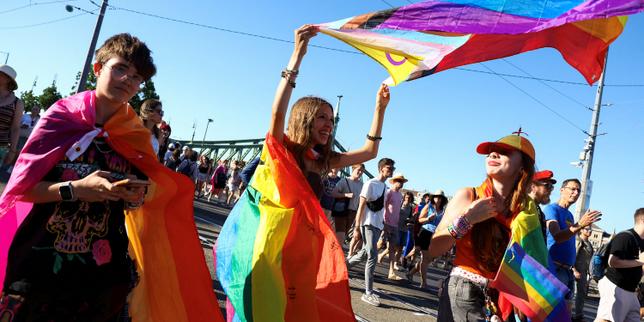
Budapest Mayor Gergely Karácsony won't face charges for organizing the 2025 Budapest Pride march. Hungarian courts just dropped the case. It's a massive moment. For years, Prime Minister Viktor Orbán’s government has squeezed LGBTQ+ rights into a corner, using legal threats to stifle opposition. This sudden judicial retreat caught many by surprise. But it isn't just a local legal quirk. It shows the limits of state-sponsored culture wars when they clash with local governance and international scrutiny.
If you've been tracking Central European politics, you know the stakes. This wasn't a minor administrative dispute. It was a targeted political strike aimed directly at the capital’s progressive leadership.
The Backstory of the 2025 Budapest Pride Dispute
To understand why the court dropped the charges, look at what happened during the summer of 2025. Budapest Pride has always been a flashpoint. In 2025, the tension boiled over. The Fidesz-led national government tried to block the march using public safety regulations and the country's controversial 2021 anti-LGBTQ+ law, which bans the "display or promotion" of homosexuality to minors.
Karácsony refused to back down. He authorized the route. He marched at the front.
Government authorities quickly retaliated. They alleged that the mayor misused his office and violated child protection statutes by allowing the public demonstration to proceed through major city thoroughfares. The prosecution claimed the event exposed minors to prohibited content.
It was a classic intimidation tactic. We've seen it used against independent media, NGOs, and academic institutions across Hungary. The goal wasn't necessarily to put Karácsony behind bars. The goal was to tie him up in legal battles, drain his political capital, and signal to the rest of the country that defending minority rights carries a heavy personal cost.
Why the Hungarian Court Backed Down
The judicial system in Hungary faces heavy criticism from the European Union for its lack of independence. That's what makes this dismissal so fascinating. The court ruled that organizing a peaceful demonstration falls squarely within constitutional rights, even under Hungary's restrictive legal framework. The judges essentially decided that the prosecution's case was built on hot air.
There are three real reasons the state's case collapsed.
First, the legal definition of "promoting" homosexuality remains incredibly vague. The government's own laws are so poorly drafted that prosecutors couldn't prove a public march constituted a targeted effort to influence minors.
Second, international pressure played a huge role. The European Commission has already frozen billions of euros in funding to Hungary over rule-of-law violations, specifically citing anti-LGBTQ+ legislation. Pushing forward with a high-profile, highly visible trial against the capital’s mayor would have triggered immediate financial and diplomatic backlash from Brussels. Orbán knows exactly how far he can push the EU before the financial pain becomes unbearable.
Third, Karácsony's local popularity makes him a dangerous target. Budapest is a progressive island in a conservative sea. Attacking its mayor over a popular civil rights event risks mobilizing the urban electorate against the ruling party ahead of upcoming electoral cycles.
The Reality of Being a Progressive Mayor under Fidesz
Running Budapest when Fidesz controls the national government is a nightmare. I’ve watched this dynamic play out for years. The national government routinely starves the capital of funding, redirects tax revenues to rural strongholds, and uses state media to paint municipal leadership as incompetent or corrupt.
Karácsony's strategy has always been defiance through international alliances. He helped form the Pact of Free Cities, linking Budapest with Prague, Warsaw, and Bratislava to bypass national governments and secure funding directly from the EU.
Budapest Political Divide:
- Municipal Government: Progressive, pro-EU, socially liberal, defensive of LGBTQ+ rights.
- National Government: Nationalist, socially conservative, anti-immigration, highly restrictive of LGBTQ+ visibility.
This legal victory proves that the municipality still holds some leverage. The state cannot simply erase local autonomy with a single judicial decree. It's a rare win for the opposition, but nobody is celebrating too hard. The structural systemic pressures remain completely unchanged.
What This Means for LGBTQ Rights in Central Europe
Don't mistake this court ruling for a sudden shift toward liberalism in Hungary. The 2021 law is still active. Bookstores still face fines for wrapping young adult novels with queer characters in plastic. Media outlets still censor programming to avoid government wrath.
What this ruling actually does is draw a line in the sand for public spaces. It establishes that the state cannot completely ban public visibility. The Pride march will happen again. The community can still claim the streets of Budapest, at least for a few days a year.
Activists across the region are analyzing this case closely. In neighboring countries where populist movements mimic Orbán’s playbook, the Budapest dismissal provides a blueprint for resistance. It shows that public officials who stand firmly behind civil liberties can survive legal onslaughts if they leverage international visibility and maintain strong local support.
Navigating Political Defiance Safely
If you are an activist, policymaker, or organizer operating in an increasingly restrictive political environment, this ruling offers distinct, practical lessons you can use right now.
- Build ironclad local administrative justifications. Karácsony didn't just wave a flag; his legal team meticulously utilized municipal zoning and public assembly laws to ensure the event's permits were technically flawless before the march ever started.
- Secure international observer networks early. Do not wait for a lawsuit to reach out to international human rights monitors or European lawmakers. Have them on the ground during your events to make the political cost of state retaliation visible immediately.
- Decouple local messaging from national polarization. The municipal team framed the march as an issue of city autonomy and citizen safety, rather than letting the state dictate a purely ideological battleground.
Keep your documentation public, keep your international allies informed, and do not let the threat of vague legal statutes freeze your municipal organizing efforts.