The recent surge in "toxic" literary tropes and the revitalization of Wuthering Heights isn't a mystery of the heart. It is a calculated response to the antiseptic nature of modern dating. We are currently witnessing a cultural whiplash where readers, exhausted by the clinical boundaries of swipe-culture and "green flag" checklists, are sprinting back toward the chaotic, jagged edges of Heathcliff and Catherine Earnshaw. This isn't just about bad boys or misunderstood anti-heroes. It is a systemic rejection of the emotional safety that modern society demands we prioritize.
People are choosing paper-cut passion over digital stability. When life feels predictable, the visceral, often violent emotionality of a destructive relationship offers a distorted sense of being alive. We aren't looking for love in these stories; we are looking for the high that comes from total emotional annihilation.
The Commodification of Chaos
Publishing houses have identified a goldmine in what was once considered a psychological red flag. The "dark romance" subgenre has moved from the fringes of self-publishing into the front displays of major retailers, fueled largely by an audience that feels increasingly alienated by the "healthy" relationship models promoted by wellness influencers. There is a profound irony in the fact that as we become more educated about trauma bonds and narcissistic traits, our appetite for consuming them as entertainment has doubled.
This is the "Heathcliff Effect." In Emily Brontë’s original text, Heathcliff is not a swoon-worthy lead; he is a vengeful, brutalized man who hangs spaniels and ruins lives. Yet, the modern lens has softened him into a symbol of "all-consuming" devotion. We have traded the reality of domestic misery for the aesthetic of the tormented soul.
Industry data from major book platforms shows that titles tagged with "enemies to lovers" or "toxic" outpace traditional sweet romances by significant margins. The mechanism here is simple. A healthy relationship in fiction is often boring. It lacks the jagged peaks and valleys required to keep a dopamine-addicted brain engaged. We have reached a point where stability is synonymous with stagnation, and conflict is the only believable proof of intensity.
Why the Safety Net Failed
For the last decade, the cultural narrative has been dominated by the concept of "setting boundaries." We are told to identify red flags early, to go "no contact" at the first sign of trouble, and to seek partners who provide peace rather than passion. While this is sound psychological advice for real life, it has created a void in our collective imagination.
Human beings are not wired solely for peace. We are also wired for struggle, for the hunt, and for the ego-validation that comes from "taming" something wild. When the real world becomes a series of polite Zoom calls and filtered Instagram feeds, the raw, unwashed cruelty of Wuthering Heights feels more authentic than a million "I hear you" affirmations.
The Neurobiology of the Bad Match
The attraction to these stories isn't just a failure of character; it’s a biological trap. Intermittent reinforcement—the psychological term for receiving rewards at unpredictable intervals—is the most powerful way to condition behavior. It is the same mechanism that keeps people pulling the lever on a slot machine.
In a toxic narrative, the "hero" is cruel 90% of the time, but that 10% where he shows vulnerability acts as a massive dopamine hit. The reader becomes an addict, waiting for the next hit of warmth. This cycle is far more addictive than a partner who is consistently kind. We are essentially training ourselves to associate anxiety with excitement.
The Death of the Nuanced Anti-Hero
We have lost the ability to view these characters as cautionary tales. In the mid-20th century, a character like Heathcliff was understood to be a monster created by a monstrous society. Today, he is rebranded as a victim of "unrequited love" who just needs the right person to fix him.
This shift is dangerous because it ignores the actual mechanics of the story. Catherine and Heathcliff do not have a love story; they have a shared psychosis. They do not want each other's happiness; they want each other's possession. By stripping away the horror of their dynamic to make it "romantic," we lose the very thing that made Brontë’s work a masterpiece: its unflinching look at how poverty and abuse turn humans into ghosts.
The Role of Digital Isolation
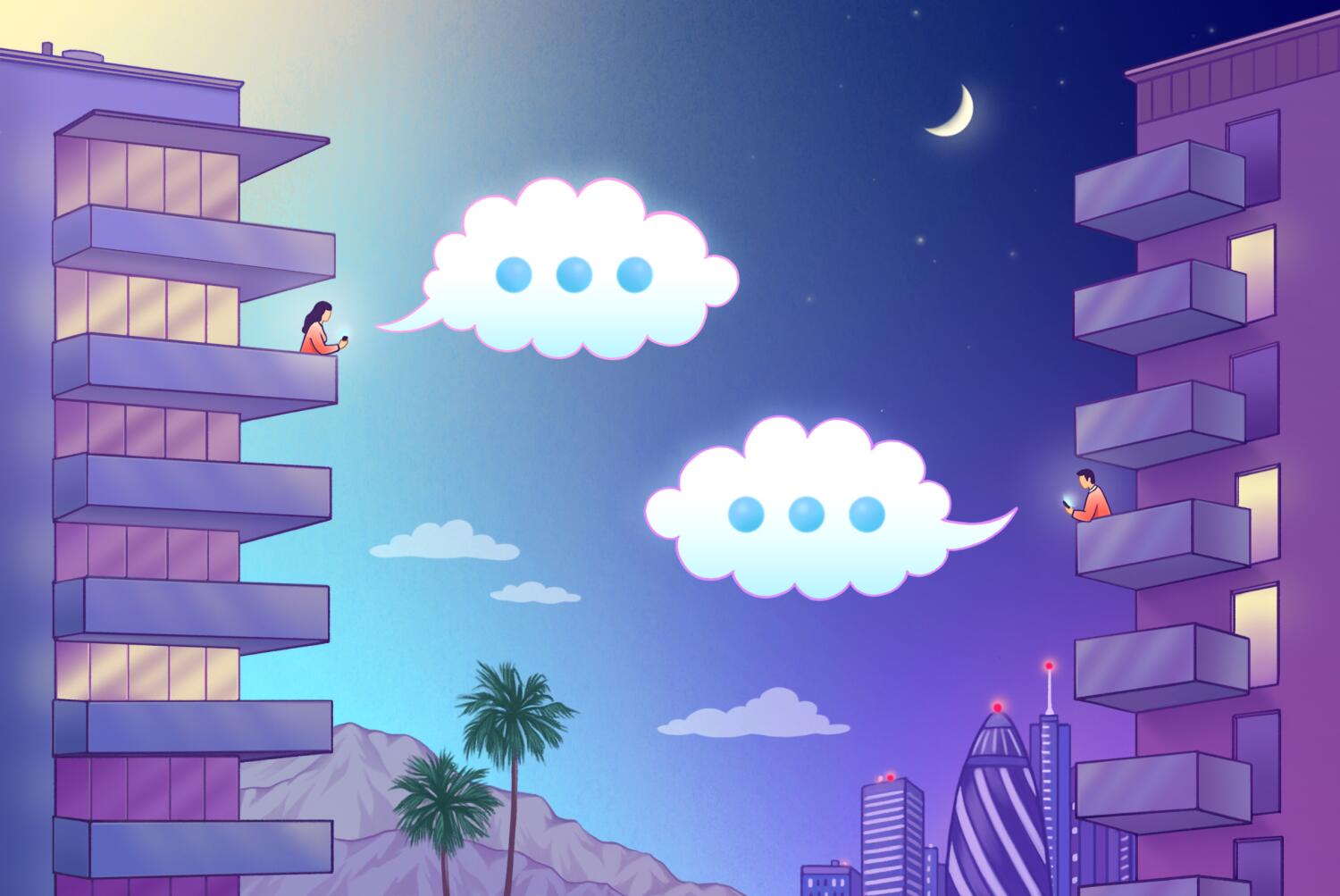
The rise of this obsession correlates almost perfectly with the increase in digital isolation. When most of our interactions are mediated through screens, the physical, earthy, and often violent descriptions of 19th-century romance provide a sensory groundedness that modern life lacks. There is a desperate hunger for something that cannot be "muted" or "blocked."
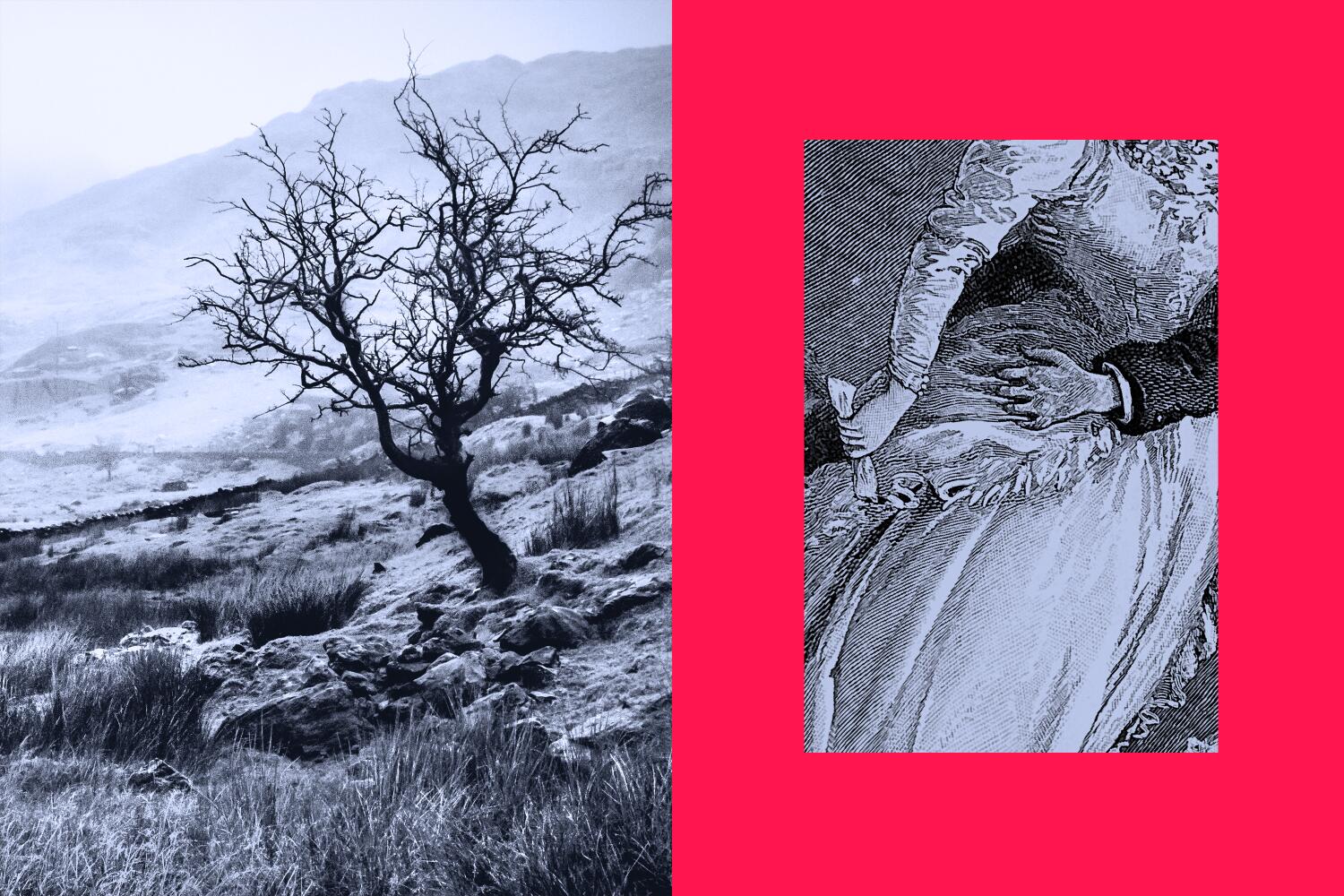
The moors of Yorkshire represent a lawless space where social media etiquette doesn't exist. In that space, emotions are allowed to be ugly. This "ugliness" is what the modern reader is actually craving. We are tired of being "good." We are tired of being "balanced." We want to see someone burn the house down because they were told they couldn't have what they wanted.
Beyond the Page
The fallout of this trend isn't confined to the bestseller list. It bleeds into how a generation views their own interpersonal failures. If you are raised on a diet of "love as war," you begin to view a lack of conflict as a lack of chemistry. You start to look for the "spark" in the very people who are most likely to cause you harm.
We are seeing a rise in "romantic fatalism"—the idea that you have one "soulmate" and that the path to them must be paved with suffering. This is a narrative lie that has been sold so effectively that it has become a baseline expectation for many. The reality is that the "toxic" love we crave in fiction is a death sentence in practice. It is a fire that doesn't keep you warm; it just consumes the fuel until there is nothing left but ash.
The Aesthetic of the Abyss
Look at the visual language used to promote these books and their film adaptations. It is all dark shadows, heavy rain, and bruised colors. This is the "Dark Academia" aesthetic, which prioritizes the mood of tragedy over the reality of the situation. It suggests that if your pain is beautiful enough, it is justified.
This is where the industry analyst in me gets cynical. We are selling the abyss to people who are already standing on the edge. By framing toxic dynamics as a "resurgence" of classic literature, we provide a high-brow excuse for low-frequency behavior. We are telling people that their trauma is actually a "gothic romance" in the making.
The Problem With the "Healing" Narrative
Many modern authors attempt to fix the toxic tropes by giving the characters a "redemption arc." They take a Heathcliff-type and, by the end of the book, turn him into a golden retriever in human form. This is arguably worse than the original tragedy. It reinforces the delusion that you can change a destructive person through the sheer force of your own endurance.
It teaches the reader that if they just hold on through the abuse, they will eventually get the prize. Emily Brontë was smarter than that. She knew that Heathcliff doesn't change. He dies alone, haunted and hollowed out. That is the truth we are currently trying to edit out of our entertainment.
A Systemic Failure of Imagination
The reason we keep coming back to these stories is that we have failed to find a way to make "the good life" compelling. We haven't figured out how to write about stability without making it look like a beige prison. Until we can find a way to portray healthy intimacy with the same intensity and stakes as a train wreck, the "toxic" allure will remain the dominant force in our culture.
Stop looking for the "why" in the heart. The "why" is in the market. The "why" is in the biological craving for a spike in a world of flatlines. We don't crave toxic love because we are broken; we crave it because we are bored, and we have been taught that the only way to feel is to bleed.
Go back and read the final chapters of Wuthering Heights without the filter of a romance novel. Look at the wreckage left behind. Notice how nobody wins. That is the reality of the "toxic" dream. If you want the high, buy the book. But for God's sake, don't look for the moors in your own backyard. You'll only find mud.


/elle-india/media/media_files/2025/02/01/OyynNvuRn9ZetUd464wd.jpg)