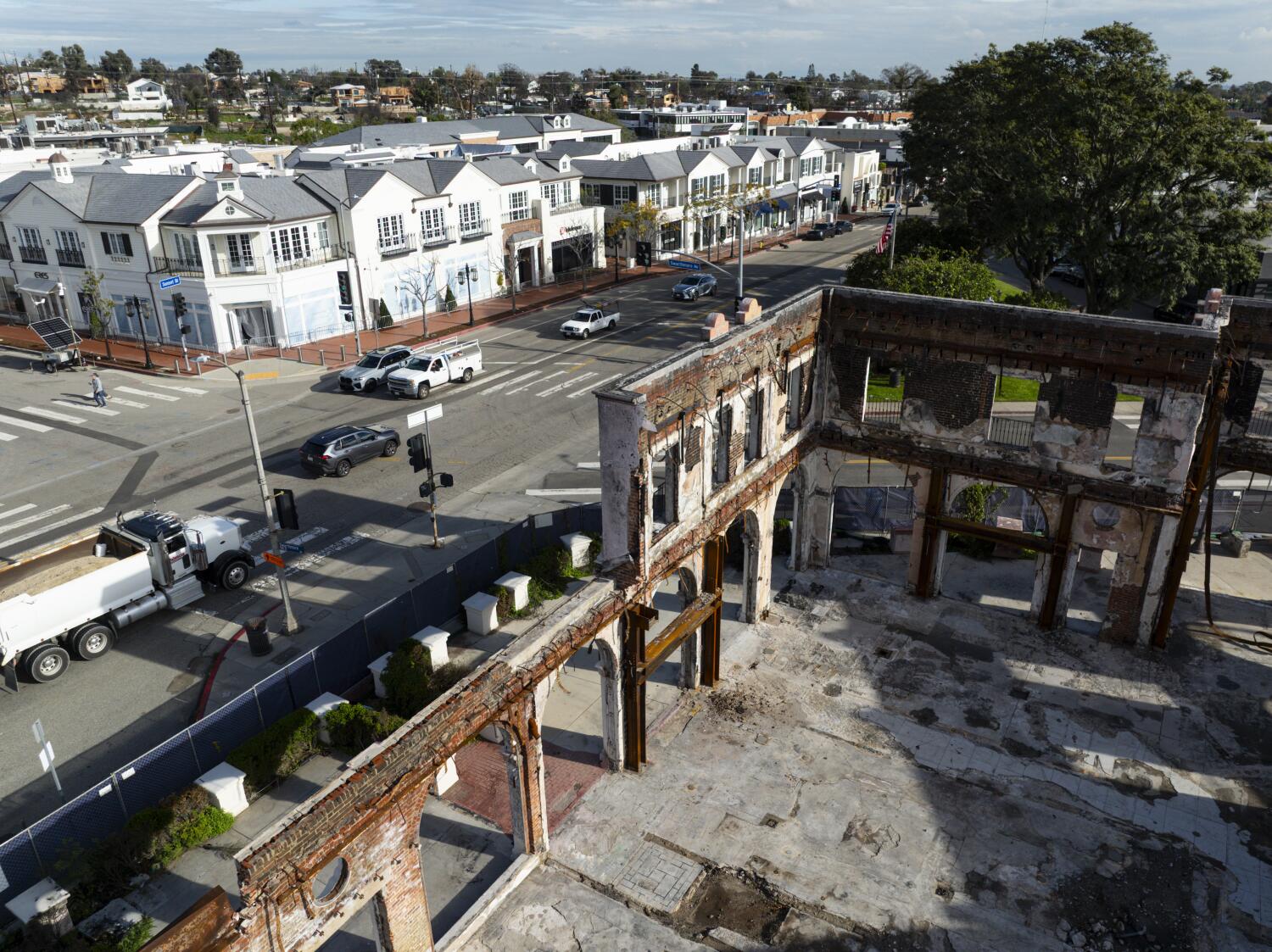
Windows are boarded up. The smell of wet soot lingers for months, long after the fire trucks have packed up their hoses and the local news cameras have moved on to the next tragedy. For most people, a commercial fire is a thirty-second clip on the evening report. For the business owners left standing in the ashes, it's the start of a grinding, bureaucratic nightmare that lasts years.
Recovery isn't just about insurance checks or fresh paint. It’s about the "missing customers" who found a new coffee shop or dry cleaner while your doors were shut. It’s about the sudden, terrifying silence of a street that used to hum with foot traffic. When a block of shops burns, the economic heartbeat of a neighborhood doesn't just skip—it often stops entirely. Read more on a connected issue: this related article.
The Invisible Costs of a Fire Scarred Block
Most entrepreneurs plan for the physical damage. They think about the inventory, the furniture, and the structure itself. They rarely account for the psychological "no-go zone" that forms around a fire site.
When a building stays charred and derelict for months, it creates a visual anchor of decay. Pedestrians start walking on the other side of the street. They subconsciously avoid the area. This "shadow effect" kills the surrounding businesses that didn't even have a single flame touch their walls. If you're the one shop left open next to three abandoned, smoke-damaged storefronts, your revenue will drop. It's a guarantee. You're effectively operating in a ghost town, but your rent and tax obligations don't care about the lack of atmosphere. More journalism by MarketWatch highlights similar views on the subject.
Insurance companies often cover "Business Interruption," but these policies are notoriously rigid. They usually pay out based on historical data. They don't account for the fact that once you reopen, your customer base has been "re-homed." People are creatures of habit. If they spent six months going to the bakery three blocks over because you were closed, they won't all magically migrate back the day you flip your "Open" sign. You have to buy your customers back, and that marketing cost is rarely factored into a standard claim.
Why Rebuilding Takes Forever
You’d think everyone would want to move fast. The city wants tax revenue. The owner wants profit. The community wants their amenities back. Instead, the process feels like wading through chest-deep sludge.
The delay usually starts with the investigation. Arson units and insurance adjusters have to pick through every charred joist. Then comes the battle over "code upgrades." This is where many small businesses die. If your building was fifty years old, the city will likely demand you bring the entire structure up to modern 2026 standards during the rebuild. That means expensive new HVAC systems, ADA-compliant entrances, and updated electrical grids that the insurance payout might not fully cover.
I've seen owners get stuck in a three-way standoff between the bank, the insurance company, and the municipal planning department. The bank wants the loan secured. The insurance wants to pay the minimum. The city wants a masterpiece. Meanwhile, the owner is hemorrhaging personal savings just to keep their staff from disappearing to other jobs.
The Employee Brain Drain
This is the part that hurts the most. Your staff is your family, right? But they have bills. They have kids. They can’t wait eighteen months for you to navigate a zoning dispute.
When a fire closes a shop, the "human capital" evaporates almost instantly. The veteran manager who knows every regular’s name finds a job at a corporate chain because they need health insurance. The talented chef moves to a different city. By the time you finally get the keys back to your renovated space, you’re starting from zero. You aren't just reopening; you're launching a brand-new business with a raw team and a mountain of debt.
The physical building is just a shell. The actual value of the business—the relationships and the institutional knowledge—is often the first thing the fire consumes.
Managing the Aftermath Without Losing Your Mind
If you’re currently staring at a pile of rubble or a smoke-damaged inventory, you need to pivot your strategy immediately.
Don't wait for the insurance company to tell you what to do. They're looking for reasons to save money, not to save your livelihood. Hire a public adjuster. These are independent professionals who work for you, not the insurance firm. They take a percentage of the settlement, but they almost always find enough missed damage and policy technicalities to more than cover their own fee. It's the difference between getting a "patch job" and a real recovery.
Next, you have to stay visible. If you can’t sell from your storefront, sell online. Set up a pop-up shop. Do a collaboration with a neighboring business that survived. You have to keep your brand in the minds of your customers so they don't form new habits elsewhere.
- Document everything. Take thousands of photos before any cleanup starts.
- Communicate aggressively. Use social media to tell the story of the rebuild. People love a comeback story, but only if they’re invited to watch the progress.
- Review your lease. Many commercial leases have "casualty clauses" that allow you to terminate or reduce rent if the space is unusable. Don't keep paying full price for a cage of charred 2x4s.
The recovery isn't over when the construction crews leave. It's over when the foot traffic returns to pre-fire levels. That usually takes twice as long as the actual building repairs. You have to be prepared for a long, quiet period where you're essentially re-introducing yourself to the neighborhood.
Start looking for "bridge loans" or community grants now. Small Business Administration (SBA) disaster loans are a common path, but the paperwork is a nightmare. Start the application the week of the fire. Waiting until you’re out of cash is a fatal mistake. Get the capital lined up before the "reconstruction fatigue" sets in. You’ll need it for the marketing push that's required to tell the world you're back.