In a dimly lit boardroom in Beijing, the air doesn’t smell like revolution or war. It smells like expensive tea and old paper. There are no maps with red arrows pointing toward the Taiwan Strait. Instead, there are spreadsheets. There are psychological profiles. There are projections of American manufacturing costs and the volatile whims of a single man.
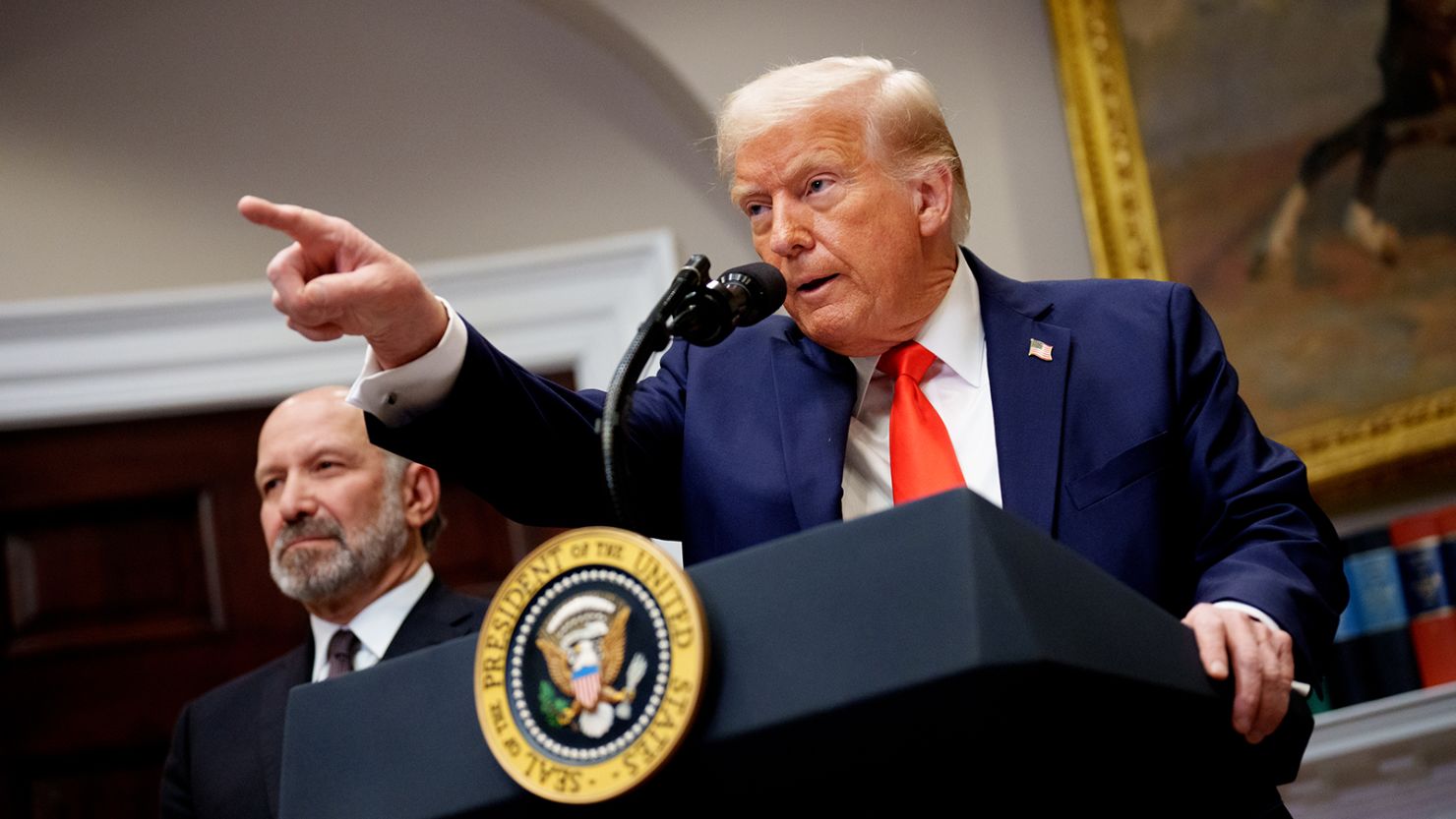
The strategy currently unfolding in the halls of Zhongnanhai isn't about traditional military conquest. It is a sales pitch. China is attempting to sell a specific version of reality to Donald Trump, and the stakes of this transaction involve the most vital chip-making infrastructure on the planet.
For decades, the "Taiwan Question" was a matter of high-flung ideology—democracy versus autocracy, sovereignty versus legacy. But the weather has changed. Beijing has realized that the path to Taipei might not lead through a naval blockade, but through the transactional heart of the Mar-a-Lago dining room.
The Price of a Silicon Shield
Consider a hypothetical mid-level executive at a tech firm in Shenzhen. Let's call him Mr. Chen. Chen doesn't care about the poetry of "reunification" when he's looking at his quarterly reports. He cares about the fact that the world’s most advanced semiconductors come from a tiny island 100 miles away. He knows that if a single missile touches a TSMC foundry, the global economy doesn't just stumble—it evaporates.
Beijing’s new narrative for the Trump era is designed to tap into this exact brand of cold, hard pragmatism. They aren't talking about Mao anymore. They are talking about "America First." The argument they are whispering into the ears of diplomats and business intermediaries is simple: Taiwan is an expensive liability for you, but a natural partner for us.
Trump has already hinted at this skepticism. He has publicly complained that Taiwan "took" the US chip business. He has suggested that the island should pay for its own protection, treating the US military presence like a high-stakes security subscription service. China sees this crack in the old Cold War armor and is swinging a sledgehammer made of gold and logic.
The Transactional Trap
The traditional American stance on Taiwan was built on "strategic ambiguity." It was a delicate dance, a way of saying we might help them, or we might not, so don't try anything. It worked because it was based on values and long-term stability.
But values are hard to quantify. You can't put "freedom" on a balance sheet.
Beijing’s gambit is to turn the Taiwan issue into a line item. They want to convince the Trump administration that defending Taiwan is a "bad deal." They point to the billions of dollars in military aid, the risk of a direct confrontation with a nuclear power, and the disruption of Chinese-American trade.
Imagine the conversation. A Chinese envoy doesn't lead with threats. He leads with an invitation. "Why spend American taxpayer money defending an island that competes with your own tech industry?" he might ask. "Why risk a recession for a piece of land that has been Chinese since before your country was founded?"
It is a seductive melody for an administration that views foreign policy through the lens of a ledger.
The Invisible Stakes of the Strait
The problem with treating Taiwan as a transaction is that the "product" being sold is the foundation of the modern world. If you look at a map of the Taiwan Strait, you aren't just looking at water. You are looking at the carotid artery of global trade.
Nearly half of the world's container ships pass through these waters. If China successfully "converts" the US to a policy of non-interference, it doesn't just get an island. It gets the keys to the global supply chain.
The human element here isn't found in the politicians, but in the people who build our world. Think of the engineer in Ohio waiting for a specific part, or the doctor in Berlin relying on a high-tech scanner. Their lives are tethered to the stability of that 100-mile stretch of ocean.
When Beijing tries to woo Trump, they aren't just negotiating over territory. They are negotiating over who gets to turn the lights off in the global economy.
A Different Kind of Fortress
Taiwan knows this. They aren't sitting still while Beijing prepares its PowerPoint presentations for Washington. They are building a "Silicon Shield" that is more complex than any missile defense system.
By deeply embedding their technology into the very fabric of American and European industry, Taiwan makes itself "un-sellable." If the cost of losing Taiwan is the total collapse of the US tech sector, then no matter how "bad" the deal looks on paper, the alternative is extinction.
But the pressure is mounting. China is leveraging its massive market as a carrot. They are telling American CEOs that a "peaceful" transition—one where the US steps back—would mean unprecedented access to 1.4 billion consumers. It is the ultimate "Art of the Deal" scenario.
The tension is palpable in every diplomatic exchange. It’s the silence between the words. Beijing is betting that every person has a price, and every nation has a point where the cost of a principle becomes too high to bear.
The Ghost in the Machine
History is full of moments where a single shift in perspective changed the map of the world. We often think of these shifts as being driven by great battles, but more often, they are driven by a change in the perceived value of a thing.
China’s goal is to make Taiwan feel small. They want it to feel like a distant, nagging problem that is getting in the way of a more profitable future. They are trying to de-risk the idea of abandonment.
But there is a human cost to this kind of cold calculation. There are 23 million people on that island who are not line items. They are entrepreneurs, students, and families who have built a society that functions as a mirror—one that China’s leadership finds deeply uncomfortable to look into.
The real struggle isn't happening in the South China Sea. It’s happening in the mind of the American voter and the American leader. Is the world a series of transactions, or is it a web of commitments?
If Beijing succeeds in converting the US leadership to its vision of "peace," it won't be because they won a war. It will be because they convinced the world’s most powerful economy that its soul was too expensive to keep.
The tea in the boardroom grows cold. The spreadsheets remain open. The pitch continues, one quiet conversation at a time, waiting for the moment when the price is finally right.
The most dangerous weapon in the 21st century isn't a carrier group; it's a convincing argument made to a man who loves a bargain.