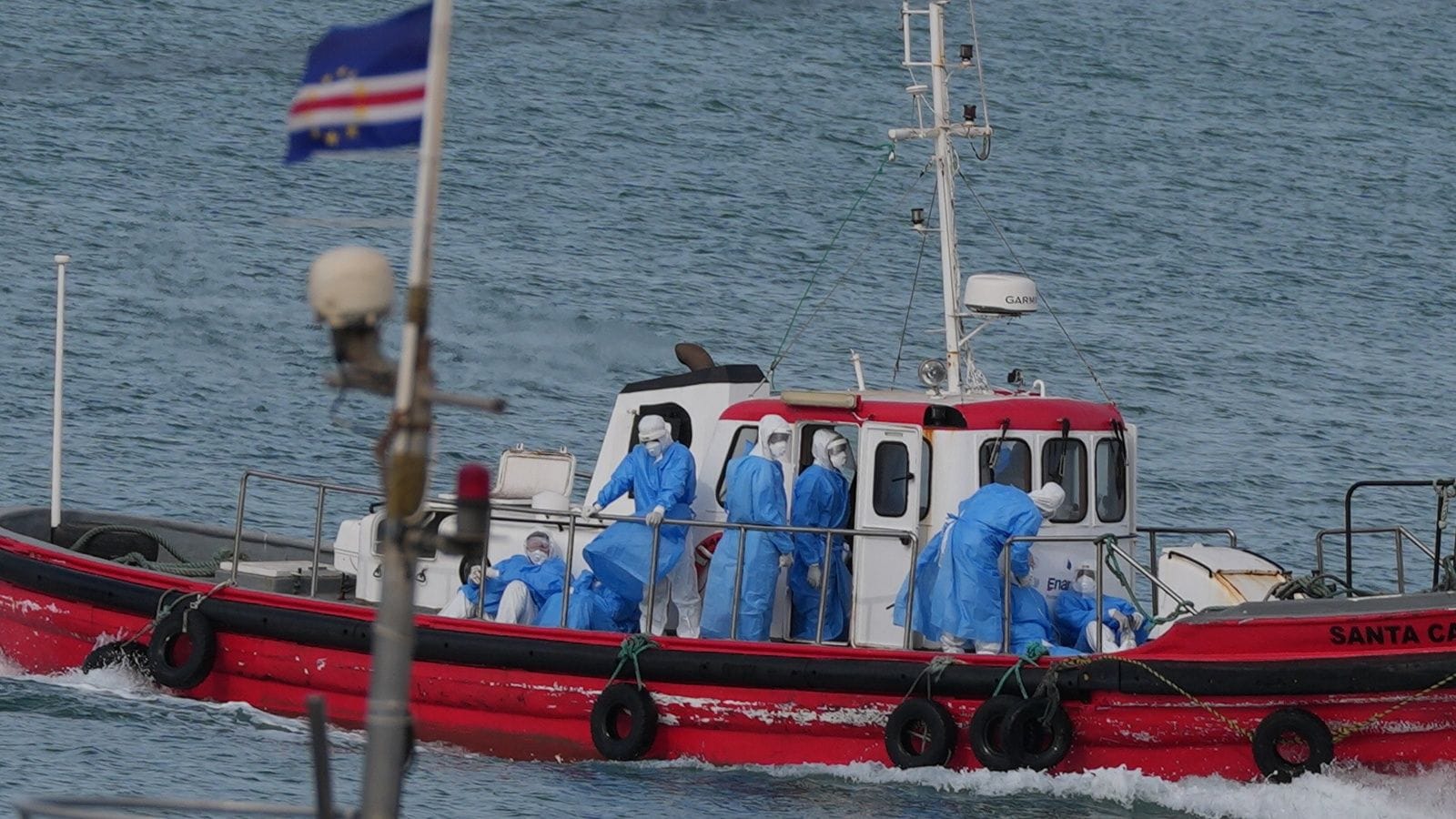
Argentina is dealing with a spike in Hantavirus cases that should put every traveler on high alert. This isn't just about a single "stricken cruise ship" that grabbed headlines recently. It's about a persistent, deadly respiratory threat that hides in the beautiful rural landscapes of Patagonia and the humid thickets of the north. If you think a luxury cabin protects you, you're missing the point. The virus doesn't care about your ticket price.
Hantavirus Pulmonary Syndrome (HPS) is a severe, sometimes fatal, respiratory disease. In South America, specifically Argentina and Chile, it's primarily carried by the long-tailed pygmy rice rat. You don't get it from a bite. You get it by breathing. When rodent urine, droppings, or saliva dry out and mix with dust, the virus becomes airborne. One deep breath in a dusty shed or a rustic cabin is all it takes.
The recent news involving a cruise ship departing from Argentine ports highlighted the logistical nightmare of managing infectious diseases at sea. But the real story is on the ground. Argentina has seen a notable uptick in cases in provinces like Chubut and Salta. Public health officials are scrambling. They're trying to contain an invisible enemy that looks like a common flu until your lungs start filling with fluid.
The Reality of Hantavirus in Argentina Right Now
South America doesn't deal with the same Hantavirus strains we see in North America. Down here, it’s often the "Andes virus" variant. Why does that matter? Because the Andes strain is the only one documented to spread from person to person. That changes the stakes entirely. It means a single traveler catching it in a rural village can theoretically bring it into a crowded bus, a plane, or a cruise ship dining room.
The mortality rate is terrifying. We're talking 20% to 40% depending on the year and the speed of medical intervention. In Argentina, the health ministry monitors "endemic zones" where the virus is always present but occasionally boils over into an outbreak.
The geography of risk looks like this:
- The Northwest: Salta and Jujuy provinces. High humidity and agriculture create perfect rodent habitats.
- The Center: Buenos Aires and Santa Fe. Even urban outskirts aren't immune.
- The South: The Andean-Patagonian region. This is the postcard-perfect area travelers love. It’s also where the Andes strain thrives in the bushes.
Recent data shows that the seasonal "bloom" of certain bamboo species can lead to a rodent population explosion. When the seeds drop, the rats feast. When the food runs out, they move into human structures. That’s when people start dying.
Why the Cruise Ship Narrative is Misleading
Media outlets loved the "cruise ship" angle because it sounds like a movie plot. A ship leaves an Argentine port, people get sick, and panic ensues. But focusing on the ship obscures the actual source. Ships are sanitized environments. The danger lies in the excursions.
Think about the typical Patagonia itinerary. You go trekking in El Chaltén. You visit a remote farm for a traditional "asado." You explore a dusty souvenir shop in a small village. These are the front lines. The ship is just the container where the symptoms finally manifest. Since the incubation period can last up to six weeks, you might be back in New York or London before you realize your "heavy cold" is actually your lungs failing.
Spotting the Symptoms Before It Is Too Late
Hantavirus is a master of disguise. It starts with "prodromal" symptoms that look like every other viral infection on earth. You’ll feel tired. Your muscles will ache, especially in your thighs and back. You’ll probably have a fever.
Then comes the "cardiopulmonary phase." This happens fast. Usually four to ten days after the initial chills, the coughing starts. Shortness of breath follows. It feels like a tight band around your chest or a pillow over your face. This is the point of no return for home care. You need an ICU, and you need it immediately.
There is no cure. No "Hantavirus pill" exists. Doctors can only provide supportive care—intubation, oxygen, and keeping your blood pressure stable while your body fights. If you've been in Argentina and start feeling "flu-ish" two weeks later, tell your doctor exactly where you were. Don't let them dismiss it as a standard bug.
How to Stay Safe Without Cancelling Your Trip
You don't need to cancel your vacation to Argentina, but you do need to stop being reckless. Travelers often have a sense of invincibility that disappears the moment they see an Argentine hospital ward.
If you’re staying in cabins or Airbnbs in rural areas, look for signs of rodents. If you see droppings, don't just sweep them up. Sweeping kicks the virus into the air. You might as well huff it. Use a bleach solution. Soak everything. Wear a mask.
Don't sleep on the bare ground. Use a tent with a floor. Keep your food in sealed, rodent-proof containers. If you're hiking, stay on the well-beaten paths. Shoving your way through thick brush is a great way to disturb a nest and inhale a lethal dose of Andes virus.
Local health authorities in regions like Epuyén have implemented strict protocols, including mandatory isolations for those exposed. They take this seriously because they've seen entire families wiped out. You should take it just as seriously.
The Economic Impact of a Silent Killer
Argentina’s economy relies heavily on tourism, particularly in the south. An outbreak isn't just a health crisis; it’s a financial disaster. When news broke about the recent rise in cases, bookings in some sectors dipped. The government is walking a tightrope between informing the public and scaring away the dollars they desperately need.
But transparency is the only way forward. The rise in cases is likely linked to climate shifts and land use changes that push rodents closer to human settlements. As we see more "spillover" events, the medical infrastructure in remote areas gets pushed to the brink. Most small-town clinics in the Andes aren't equipped with the high-tech ventilators required for HPS patients. They have to airlift you to Bariloche or Buenos Aires. That takes time you don't have.
Steps for Immediate Protection
If you are currently in Argentina or planning a trip soon, take these steps. They aren't suggestions; they are basic survival tactics in an endemic zone.
- Ventilate everything. If you enter a building that has been closed for a while, open all doors and windows. Leave for at least 30 minutes before you spend any time inside.
- Disinfect with bleach. A 10% bleach-to-water ratio kills the virus on surfaces. Use it on counters, floors, and especially near any mouse holes.
- Seal the food. Mice can chew through plastic bags. Use glass or heavy-duty plastic bins.
- Watch the news. Local Argentine news outlets (like Clarín or La Nación) often carry more granular updates on specific regional outbreaks than international sites.
- Report symptoms early. If you develop a fever after being in a rural area, get to a hospital. Mention "Hantavirus" or "Sindrome Pulmonar por Hantavirus."
The risk is real, but it's manageable with a bit of cynicism and a lot of bleach. Don't let the beauty of the Lake District distract you from the fact that the local wildlife carries a pathogen with a coin-flip survival rate. Be smart, stay out of the brush, and keep your living spaces clean. Argentina is worth the trip, but it's not worth your life.