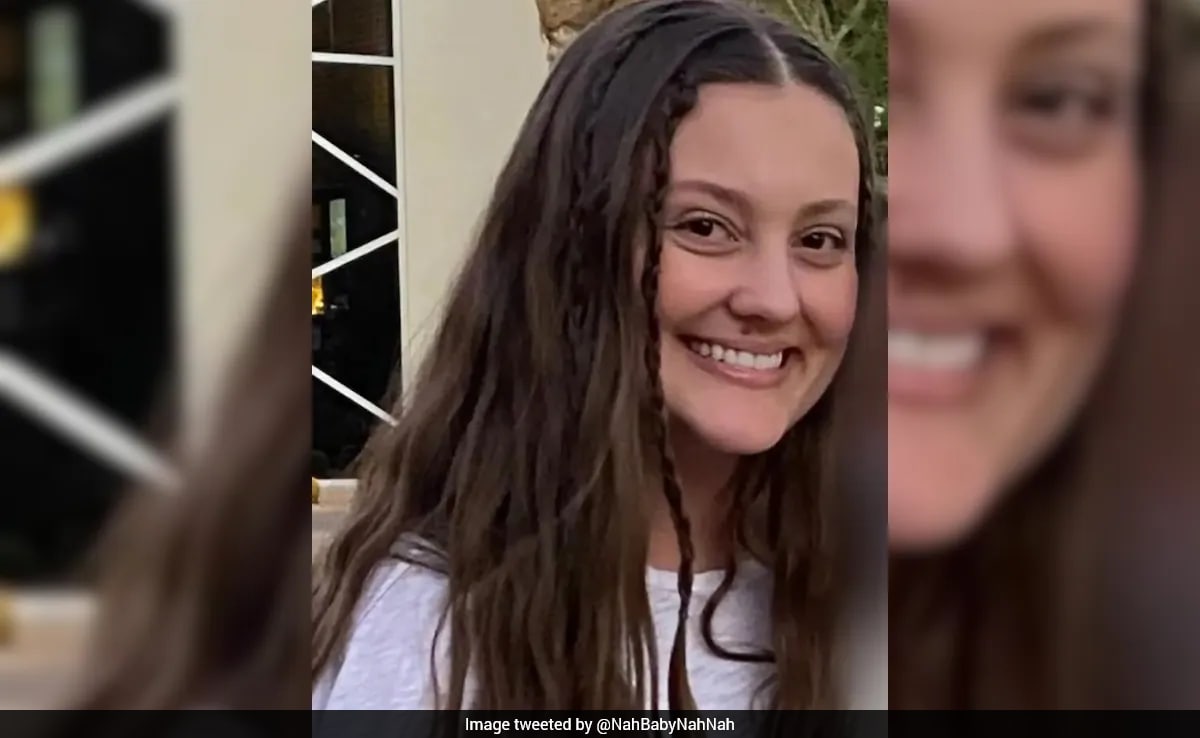
The predatory nature of digital sympathy is currently under the microscope following the case of Madison Russo, a young woman who successfully defrauded donors of approximately $22,000 (roughly Rs 18 lakh) by claiming to suffer from various aggressive cancers. This was not a victimless crime. It was a calculated exploitation of the modern crowdfunding ecosystem, a platform built on the fragile foundation of human empathy. Russo’s scheme succeeded because she understood a fundamental truth about the internet: people are desperate to believe in the resilience of others, especially when that resilience is packaged in a relatable, telegenic format.
By the time the authorities intervened, Russo had documented her "battle" with leukemia, a spinal tumor, and a football-sized mass on her lung across various social media platforms. She accepted donations from hundreds of individuals, including local foundations and private citizens who believed they were funding a life-saving fight. The reality was far more cynical. The money was funneled into a lifestyle that had nothing to do with chemotherapy or radiation. It was spent on rent, travel, and personal entertainment, while the "medical equipment" seen in her photos was often nothing more than household items or improperly applied medical supplies sourced elsewhere.
The Digital Architecture of Deceit
Crowdfunding sites like GoFundMe have revolutionized how we handle personal tragedies. They provide a direct line between those in need and those with the means to help. However, this direct line bypasses the traditional gatekeepers of medical verification. When a person tells a story of suffering, our collective social contract dictates that we believe them. To do otherwise feels ghoulish. Russo leveraged this social contract with precision.
She didn't just ask for money; she provided a narrative. She shared photos of herself with medical tubes, bandages, and monitors. To the untrained eye, these images were harrowing. To medical professionals who eventually saw the photos online, they were a collection of red flags. Some of the equipment was attached incorrectly. The "port" she claimed was for her treatment was in the wrong place. These technical errors are common in medical malingering cases. The perpetrator mimics the aesthetic of illness without understanding the actual mechanics of the treatment they claim to receive.
The psychology at play here often goes beyond simple greed. While the financial gain is the measurable outcome, the social capital gained through being a "warrior" or an "inspiration" provides a powerful dopamine hit. In the digital age, being a victim is often a form of currency. It brings followers, engagement, and a sense of belonging to a community of survivors. When that status is fabricated, the betrayal felt by the community is profound because it poisons the well for people who are actually suffering.
The Failure of Platform Oversight
We must look at the platforms that facilitate these transactions. Crowdfunding companies often hide behind the "neutral platform" defense. They argue that they provide the tools, but the responsibility for vetting the truth lies with the donors. This is a convenient stance for a business model that takes a percentage of every dollar raised, whether that dollar is going to a legitimate cancer patient or a fraudster.
Verification is difficult. Requiring every user to upload certified medical records creates a barrier to entry that might prevent legitimate people in crisis from getting help quickly. Privacy laws also complicate the process. Yet, the current "report and react" model is clearly insufficient. Russo’s case is not an isolated incident; it is a symptom of a systemic lack of friction. If it is too easy to start a fundraiser, it is too easy to lie.
The Ripple Effect of Skepticism
The most damaging consequence of Russo’s fraud isn't the lost $22,000. It is the erosion of trust. Every time a high-profile medical scam is exposed, a "cynicism tax" is levied against every future person who asks for help. The next time a person truly in need launches a campaign, a potential donor might pause. They might remember the woman who faked the football-sized tumor and decide to keep their wallet closed.
This skepticism creates a survival-of-the-fittest environment for the truly ill. Patients are now often forced to provide increasingly invasive levels of proof—sharing photos of their most vulnerable moments or posting detailed pathology reports—just to convince a skeptical public that they aren't scammers. We are reaching a point where being sick isn't enough; you must also be your own private investigator and public relations firm.
Institutional Blind Spots
Local media and community organizations often play an unwitting role in these scams. In the Russo case, she was featured in news segments and invited to speak at events. Journalists often fail to do basic due diligence when a story feels "good." A young woman fighting for her life while maintaining a positive attitude is a ratings winner. By the time a reporter asks for a doctor's note, the story has already gone viral.
The same applies to non-profit organizations. Many small foundations operate on shoestring budgets and rely on the honor system. They are ill-equipped to verify medical claims, making them easy targets for a sophisticated liar. When an institution lends its credibility to a fraudster, it gives that fraudster a shield. Donors assume that if a reputable foundation is involved, the vetting has already been done. In reality, everyone is often just assuming that someone else checked the facts.
The Pathological Component
The court proceedings and the statements from those who knew Russo often touched on the word "sociopath." While that is a clinical term often used loosely by the public, it points to a specific lack of empathy required to look a real cancer survivor in the eye and take their money. To maintain this level of deception for over a year requires a high degree of compartmentalization. It is not just one lie; it is a thousand small lies told every single day.
Observers often wonder how someone can live with that level of anxiety. The answer is often that they don't feel the anxiety the way a normal person would. For the medical grifter, the game itself is the reward. The successful deception validates their sense of superiority over the "gullible" people who want to help. This isn't a lapse in judgment. It is a fundamental personality trait that prioritizes self-interest over the wreckage left behind in other people's lives.
Verifying the Unverifiable
For those who wish to continue giving, the burden of proof has shifted. We can no longer rely on emotional narratives or staged hospital photos. The most reliable way to donate is through established medical institutions or direct payment to service providers, though this lacks the personal connection that draws people to crowdfunding in the first place.
If you are donating to an individual, look for consistency over time. True medical journeys are messy. They involve setbacks, boring recovery periods, and a lack of "curated" aesthetics. When a medical story looks too much like a lifestyle brand, it warrants a closer look. Check for mentions of specific hospitals or doctors, and see if the timeline of treatment matches standard medical protocols.
The Russo case ended with a ten-year suspended sentence and a requirement to pay back the stolen funds. For the donors, the money may eventually return, but the sense of betrayal remains. For the people currently fighting actual cancer, the world just got a little colder and a lot more suspicious. The true cost of this scam is not measured in currency, but in the hardening of the human heart against the suffering of others.
The next time you see a plea for help on your feed, remember that your empathy is a finite resource. Guard it. Not to become cynical, but to ensure it is available for those who are actually standing in the fire.