You’ve heard the old line about an ounce of prevention being worth a pound of cure. In the world of high-stakes cardiology, that’s not just a cliché—it’s a multi-billion-dollar strategy. Amgen CEO Robert Bradway is currently leaning hard into this philosophy, and he’s got the clinical data to back it up. The big news isn’t just about lowering cholesterol anymore; it’s about stopping the very first disaster before it ever happens.
Most people think of heart medicine as something you take after the "big one." You have a heart attack, you get a stent, and then you start the pills. Bradway wants to flip that script. He’s looking at a massive, underserved population of people who are walking around with "ticking time bombs" in their arteries but haven’t actually exploded yet. For a different view, consider: this related article.
The Breakthrough in Primary Prevention
The recent buzz centers on the VESALIUS-CV trial. If you aren't a data nerd, here’s the gist: Amgen took over 12,000 adults who had high-risk factors like diabetes or clear signs of plaque buildup (atherosclerosis) but—and this is the crucial part—had never had a heart attack or stroke.
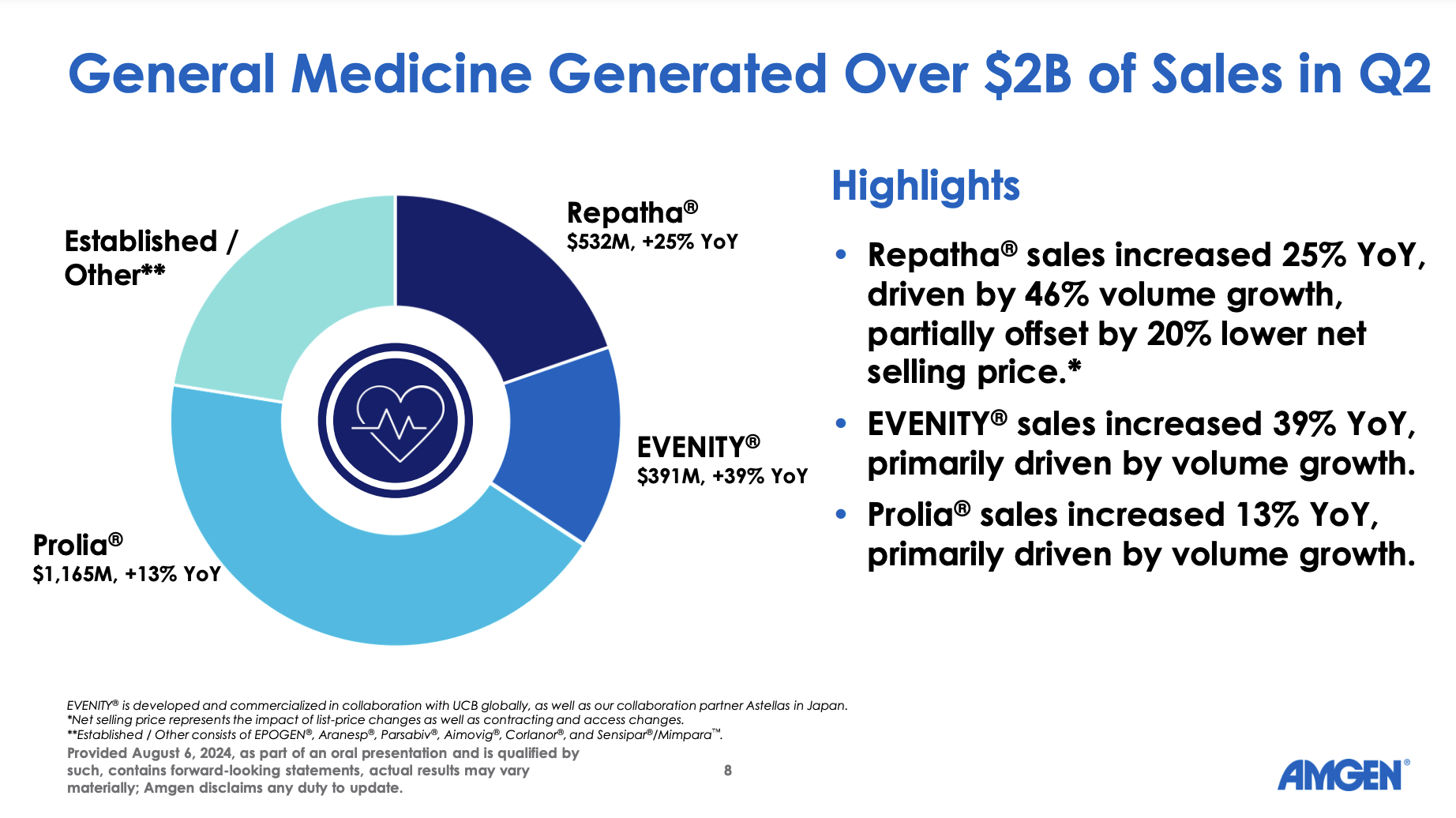
They gave them Repatha (evolocumab) on top of their usual statins. The results were a massive wake-up call for the medical community. The drug slashed the risk of a first heart attack by a staggering 36%. It also dropped the risk of major cardiovascular events—think death, stroke, or urgent surgery—by 25%. Related insight regarding this has been published by National Institutes of Health.
Honestly, these numbers matter because they challenge how we treat "healthy" people with bad labs. Usually, doctors are hesitant to prescribe aggressive, expensive biologics to someone who hasn't crashed yet. But when you can tell a patient they have a one-in-three better chance of avoiding their first trip to the ER, the conversation changes.
Why Lower is Better and Sooner is Smarter
Bradway has been vocal about a simple reality: heart disease is largely a modifiable problem. We know what causes it. We know that LDL (the "bad" cholesterol) is the primary villain. Yet, we still treat it like an inevitable part of aging.
During the latest updates at the 2025 AHA Scientific Sessions and subsequent investor talks in early 2026, the message was clear. It isn't just about getting your LDL down to a "decent" level. It's about getting it low—really low—and doing it early.
In the trial, patients on Repatha saw their LDL levels plummet to an average of 45 mg/dL. Compare that to the 109 mg/dL seen in the placebo group. We’re talking about levels usually seen in newborns. Bradway’s argument is that by the time you have your first heart attack, the damage to your "pipes" is already done. Why wait for the flood to start fixing the plumbing?
The Obstacles Nobody Wants to Talk About
It sounds like a slam dunk, right? Just give everyone the drug. But it’s never that simple. The real-world hurdle isn't the science; it's the "access gap."
Biologics like Repatha are injections, not cheap generic pills. Even though Amgen launched a direct-to-consumer platform called AmgenNow to cut costs—dropping the price to around $239 a month—that’s still a far cry from a $4 bottle of atorvastatin at the local pharmacy.
Insurance companies are notoriously stingy about "primary prevention." They’d often rather wait for a patient to have an expensive surgery before they’ll pay for an expensive preventative drug. It's backward logic, but it's the world we live in. Bradway is banking on this new data to force the hands of payers. When the evidence shows you’re preventing 36% of first-time heart attacks, the "it’s too expensive" argument starts to look pretty flimsy compared to the cost of an ICU stay.
Beyond the Statin Ceiling
We’ve reached what I call the "statin ceiling." For decades, statins were the gold standard. They’re great, don't get me wrong. But for millions of people, they aren't enough.
Some people can't tolerate the side effects like muscle pain. Others take the maximum dose and their LDL still won't budge. This is where the PCSK9 inhibitors come in. By blocking the PCSK9 protein, these drugs basically tell the liver to keep its "cholesterol vacuums" open longer, sucking more LDL out of the blood.
What’s Next for Your Medicine Cabinet
Amgen isn't stopping with Repatha. They’re currently running the OCEAN(a) trial for a drug called olpasiran. This one is even more targeted, focusing on Lipoprotein(a)—a type of cholesterol that is purely genetic and doesn't care how many salads you eat or how many miles you run. If you have high Lp(a), statins barely touch it.
The primary results for that trial are expected by late 2026. If it hits, it’ll be another tool in the kit for people who "do everything right" but still have high cardiac risk.
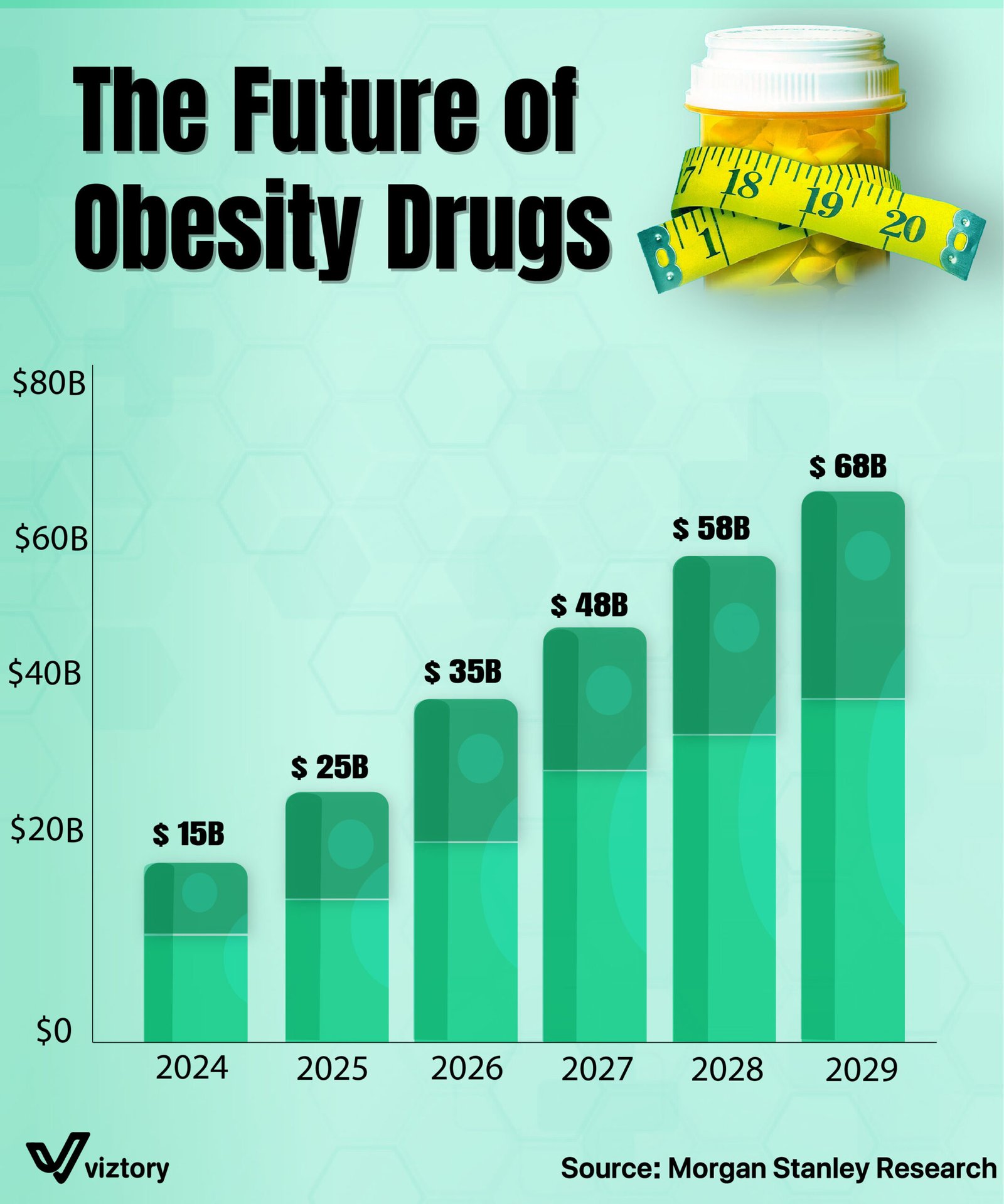
Then there’s the elephant in the room: MariTide. It’s Amgen’s answer to the Wegovy and Zepbound craze. While it’s primarily an obesity drug, the cardiovascular benefits are the secret sauce. Bradway is positioning Amgen to own the entire "cardiometabolic" space. They want to treat your weight, your diabetes, and your cholesterol all at once.
Taking Control of Your Risk
If you’re sitting there wondering if this applies to you, look at your last blood test. If your LDL is still north of 70 mg/dL despite taking your meds, or if you have a family history of early heart attacks, don’t just accept "it’s fine for now."
The medical guidelines are shifting. The "wait and see" approach is dying. You need to be your own advocate. Ask your doctor about the VESALIUS-CV data. Ask about your Lp(a) levels—most standard panels don't even check it unless you ask.
Stop thinking of heart health as a reactive game. Start looking at it as a long-term engineering project. The goal isn't just to survive a heart attack; it's to make sure you never have one in the first place. Check your numbers, talk to your cardiologist about the new "low" targets, and don't be afraid to push for the most aggressive treatment if your risk factors demand it.