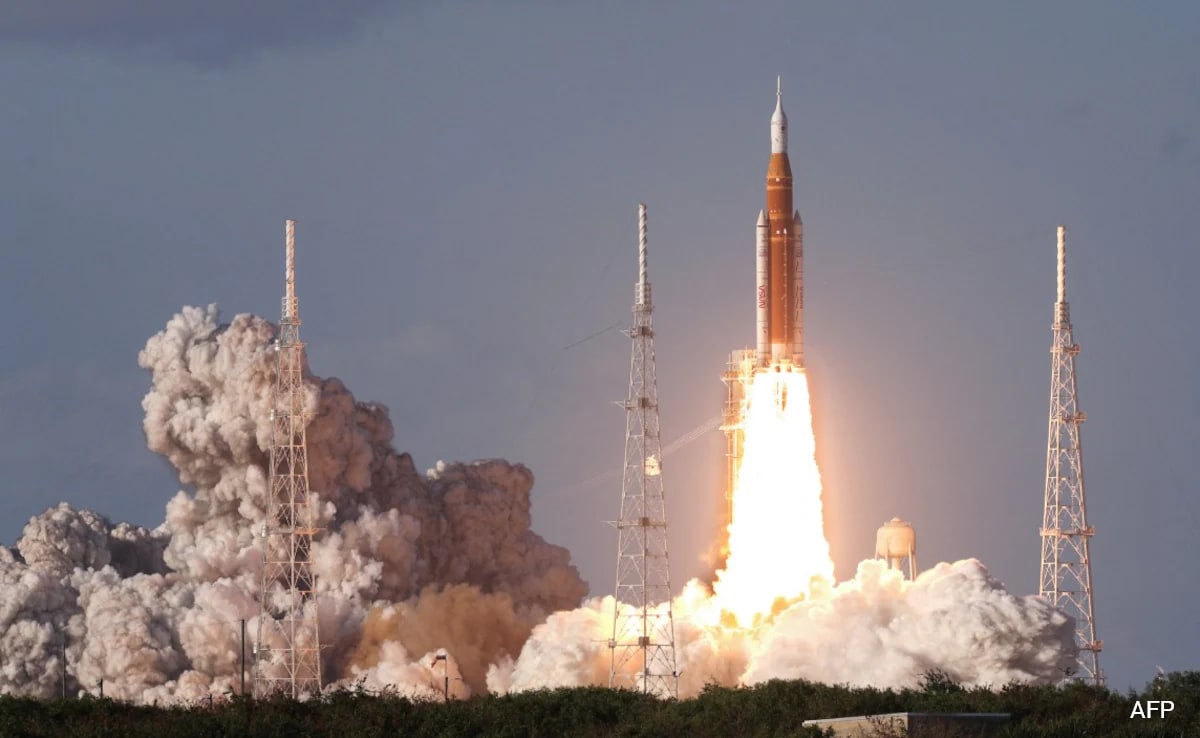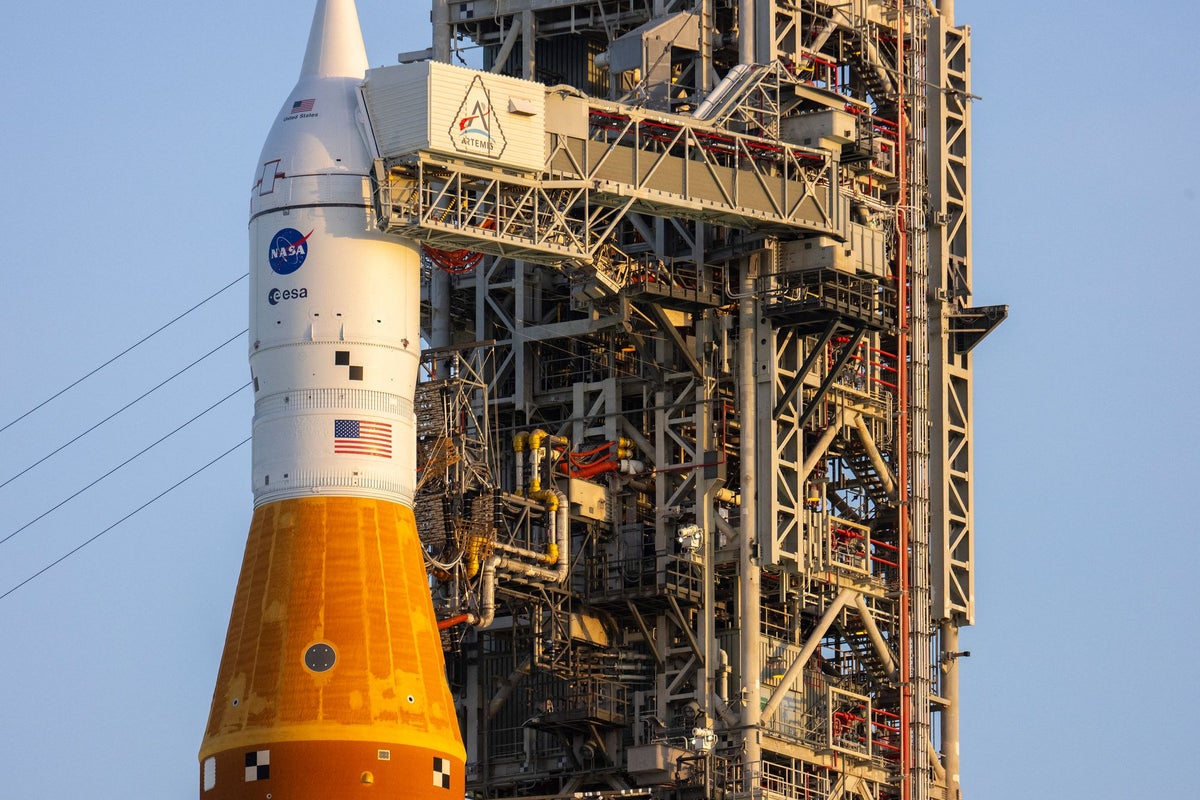
We aren't going back to the moon just to plant another flag or snap a high-res selfie. If that were the case, the $93 billion price tag through 2025—a figure that's only climbing as we hit 2026—would be an insult to every taxpayer. You’ve likely heard the critics. They say we have enough problems on Earth. They say the Space Launch System (SLS) is just a "jobs program" for legacy aerospace contractors.
They aren't entirely wrong, but they're missing the bigger picture.
The Artemis program is the most ambitious play for technological and geopolitical dominance in a generation. It’s not a rerun of the 1960s. This time, we’re going because the moon has become the most valuable piece of real estate in the solar system. If the U.S. doesn't secure its spot, someone else will.
The ice at the bottom of the world
For decades, we thought the moon was a dry, dead rock. We were wrong. Recent data from lunar orbiters confirmed that the south pole is home to massive deposits of water ice hidden in craters that never see sunlight.
This isn't for drinking—at least, not primarily. Water is oxygen to breathe and hydrogen for rocket fuel. Launching fuel from Earth is incredibly expensive because you have to fight our planet's gravity. It’s like trying to start a cross-country road trip but having to carry every gallon of gas you'll ever need in your trunk.
By harvesting ice on the moon, we turn the lunar surface into the solar system’s first "gas station." This makes Mars missions actually feasible. Without lunar fuel, a trip to Mars is a pipe dream for anyone but a billionaire with a death wish. Artemis is building the infrastructure to make deep space travel a routine business.
A 93 billion dollar investment in American industry
Let's talk about that $93 billion. It sounds like a mountain of cash being lit on fire in a vacuum, but every cent of that money stays on Earth. It goes to engineers in Alabama, software developers in Colorado, and technicians in Florida.
The economic "spinoff" effect isn't just a marketing myth. NASA's 2022 economic impact study showed that for every dollar spent on the agency, it generates more than three times that in total economic output. We’re seeing breakthroughs in:
- Modular Nuclear Reactors: To survive the 14-day lunar night, we need tiny, reliable nuclear power. That tech is now being adapted to provide clean energy for remote towns and disaster zones here on Earth.
- Closed-Loop Life Support: If you can recycle 98% of your water and air on the moon, you can solve water scarcity in the most arid parts of our planet.
- Advanced Robotics: The tech used to build a lunar base is the same tech that's going to revolutionize automated manufacturing and hazardous waste cleanup.
The new space race is a marathon
The geopolitical landscape is shifting. In early 2026, the race between the U.S. and China has moved from "friendly competition" to a full-blown strategic sprint. China aims to land taikonauts on the moon by 2030 and is already building its own lunar research station.
If the U.S. steps back now, we lose the ability to set the rules of the road. The Artemis Accords—a set of international agreements led by the U.S.—aim to ensure space exploration is peaceful and transparent. Without American leadership, the moon could become a lawless frontier where the first person to grab a resource owns it forever.
We’re also seeing a shift in how NASA works. Unlike the Apollo era, where the government built everything, NASA is now a customer. SpaceX and Blue Origin are competing to build the Human Landing System (HLS). This competition is driving costs down and innovation up. It’s the reason why, despite the delays, the program hasn't been canceled. It’s no longer just a government project; it’s the foundation of a new lunar economy.
Why the delays actually make sense
You’ve probably seen the headlines about Artemis III being pushed back to 2027 or 2028. It's frustrating. But space is hard, and 2026 has been a year of sobering reality checks. Investigations into heat shield charring and the complexities of docking the Orion capsule with SpaceX's Starship in orbit have slowed things down.
Honestly, we should be happy about these delays. In the 60s, we accepted a much higher level of risk because we were in a desperate Cold War sprint. Today, we’re building a sustainable presence. You don't build a permanent base by cutting corners on the safety of the people meant to live there.
The current plan involves testing the hardware in Low Earth Orbit first. It’s a pragmatic, "walk-before-you-run" approach. We’re moving away from the "flags and footprints" model toward a model of "stay and thrive."
What you should do next
If you're still skeptical about the cost, take a look at the federal budget. NASA's entire annual budget is usually less than 0.5% of total federal spending. We spend more on pet grooming in the U.S. than we do on exploring the cosmos.
To stay informed and see where your tax dollars are going, you can:
- Track the Artemis II mission: This crewed flyby is the next big milestone. It’ll prove the life support systems are ready for the long haul.
- Follow the CLPS program: Commercial Lunar Payload Services are sending small robotic scouts to the south pole right now. These missions are the "eyes" for the human missions to follow.
- Check out NASA Spinoff: Look at the "Spinoff 2026" report to see exactly how lunar tech is being used in your healthcare and electronics today.
We're going back because the moon is no longer the finish line—it's the starting block. It’s the place where we’ll learn to live off the land before we head to Mars. The cost is high, but the price of staying home and letting the rest of the world lead the way is much higher.