The internet is currently losing its mind because a ceramic-coated aluminum pan is on sale. You’ve seen the headlines. "Rare 40% discount!" "The kitchen workhorse you need!" "The pan that replaces eight pieces of cookware!"
It is a lie.
I have spent fifteen years in professional kitchens and another five consulting for consumer goods manufacturing. I have seen how the "direct-to-consumer" sausage is made. The Always Pan isn't a culinary breakthrough; it is a masterclass in influencer marketing applied to a fundamentally flawed product. When you buy this pan—even at a 40% discount—you aren't investing in your kitchen. You are renting a temporary aesthetic that will end up in a landfill within twenty-four months.
The Myth of the "Eight-in-One" Utility
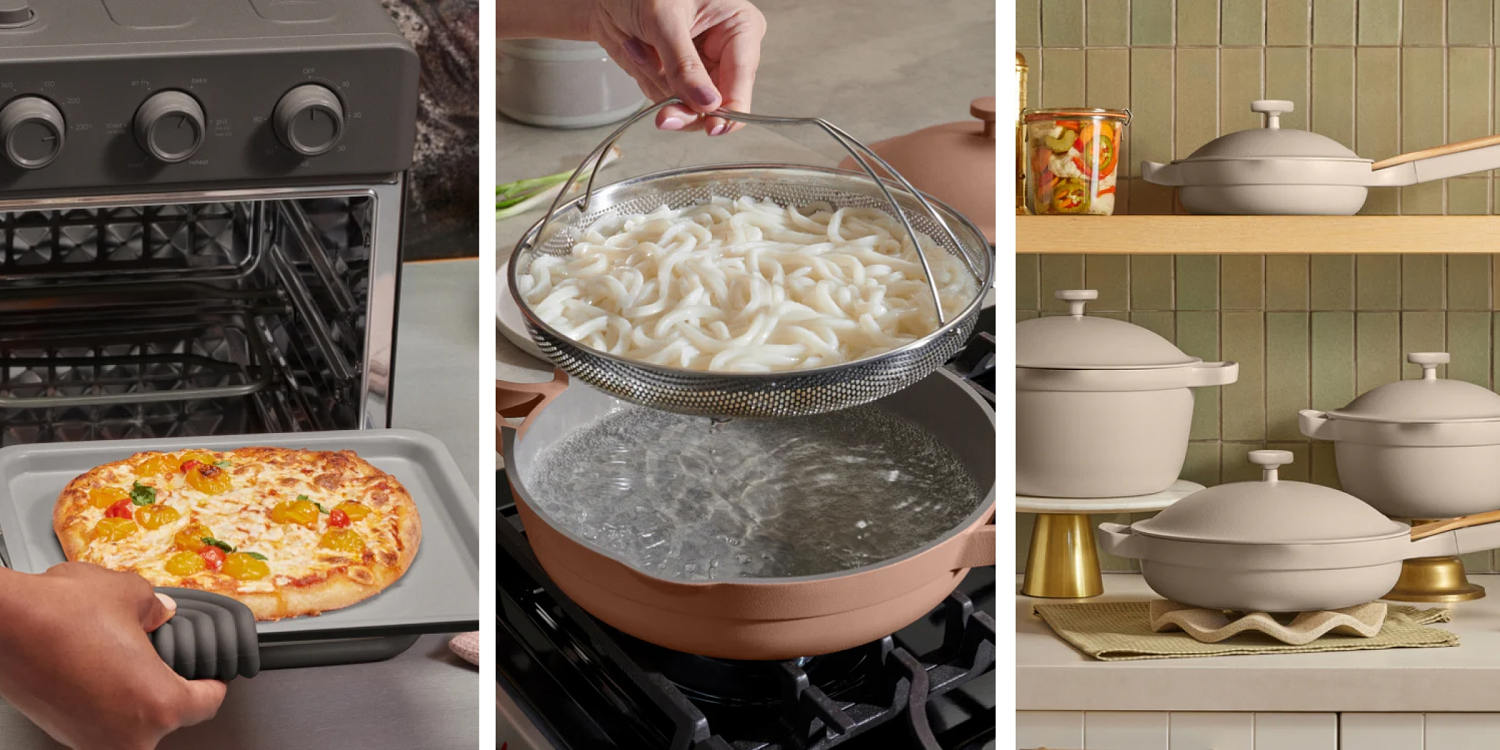
The marketing department at Our Place wants you to believe this pan replaces your steamer, strainer, sauté pan, skillet, saucier, non-stick pan, spatula, and spoon rest.
Logic dictates otherwise.
A "jack of all trades" is a master of none, but in thermodynamics, a jack of all trades is usually a disaster. A true sauté pan needs high, straight sides to toss food without losing heat. A skillet needs flared sides to evaporate moisture quickly for a proper sear. By trying to be both, the Always Pan is mediocre at everything.
The depth is wrong for a proper sear, and the surface area is too small for meaningful reduction. If you try to steam vegetables while simultaneously using it as your "skillet," you’ve effectively neutralized the pan's primary function. You haven't replaced eight tools; you've bought one tool that does eight jobs poorly.
Ceramic Coating Is Designed To Fail
Here is the technical reality that the "Deal of the Day" articles won't tell you: Ceramic non-stick is a ticking time bomb.
Unlike traditional PTFE (Teflon), which has its own environmental baggage but offers consistent longevity if handled correctly, ceramic coatings are made of "sol-gel." This is essentially a silica-based sand turned into a glossy layer.
- The Micro-Fracture Problem: Every time you heat that pan, the aluminum base and the ceramic coating expand at different rates. This creates microscopic cracks.
- The Carbonization Trap: Even tiny amounts of oil trapped in those micro-cracks will carbonize. Once that happens, the "non-stick" property vanishes.
- The Heat Barrier: Ceramic is a great insulator. This sounds good until you realize you want your pan to conduct heat, not block it.
I’ve seen hundreds of these pans go from "perfect eggs" to "burnt-on mess" in six months. No amount of Barkeepers Friend can fix a structural failure of the sol-gel matrix. You are paying $100+ for a product with the lifespan of a pair of fast-fashion sneakers.
Thermodynamics Doesn't Care About Your Instagram Grid
The Always Pan is made of cast aluminum. Aluminum is a fantastic conductor—it heats up fast and cools down fast. But for serious cooking, you want thermal mass.
If you drop a cold ribeye into a lightweight aluminum pan, the surface temperature plummets. Instead of a crust, you get gray, steamed meat. This is why professional chefs use carbon steel or cast iron. Those materials are heavy because they hold energy.
The Always Pan is designed to be light enough for a "lifestyle" photoshoot. It’s designed for people who value the color "Sage" or "Spice" more than the Maillard reaction. If you cannot put your pan in an oven above 450°F—or in many versions, put it in the oven at all without risking the handle or the coating—you don't own a versatile kitchen tool. You own a prop.
The High Cost of "Cheap" Sales
The "40% off" hook is a classic psychological trigger. It creates a sense of urgency for a product that is perpetually "on sale" or "about to sell out."
Let's look at the math of true value:
| Pan Type | Price | Lifespan | Cost Per Year |
|---|---|---|---|
| Always Pan (On Sale) | $90 | 2 Years | $45.00 |
| Lodge Cast Iron Skillet | $30 | 100+ Years | $0.30 |
| All-Clad Stainless Steel | $160 | Lifetime | $2.00 |
| Cheap Restaurant Supply PTFE | $25 | 2 Years | $12.50 |
Even at its steepest discount, the Always Pan is one of the most expensive ways to cook. You are paying a "Design Tax." You are funding the massive Instagram ad budget that targeted you in the first place.
The "Non-Toxic" Marketing Smoke Screen
The brand leans heavily into being "PTFE-free" and "PFAS-free." This appeals to our very real concerns about "forever chemicals." But "non-toxic" has become a hollow buzzword in the kitchenware industry.
Just because a coating is ceramic doesn't mean the entire manufacturing process is "green." Furthermore, the most "non-toxic" pan in existence is a well-seasoned carbon steel pan or a stainless steel skillet. They require no chemical coatings whatsoever.
By selling you a "safe" pan that you have to throw away every two years, these companies are creating a cycle of waste that is far more damaging to the planet than buying one high-quality steel pan that your grandkids will eventually use.
What You Should Actually Buy
Stop looking for the "one pan." It doesn't exist. If you want to actually cook, you need a trio of specialists, not a mediocre generalist.
- A 12-inch Cast Iron Skillet: For searing, baking, and frying. It’s indestructible.
- A 10-inch Stainless Steel Tri-Ply Pan: For acidic sauces, sautéing, and deglazing.
- A Cheap Non-Stick Skillet: For eggs only. Replace it every two years without guilt because you only paid $20 for it.
If you have $100 to spend during this "mega sale," go to a local restaurant supply store. Buy a heavy-duty stainless steel pan and a bag of high-quality salt. You will be a better cook, your kitchen will be less cluttered with "multi-purpose" junk, and you won't be contributing to the planned obsolescence of the "aesthetic" kitchenware movement.
The Always Pan is designed to look good on a stove. It is not designed to stay on one.
Stop buying cookware based on a color palette. Buying a tool that is guaranteed to fail is never a deal, no matter what the percentage off is.