The modern agricultural enterprise operates at the intersection of biological production and unintentional digital consumption. In Scotland, the Highland cow (Bos taurus taurus) has transitioned from a high-protein, hardy livestock asset into a high-value digital asset for the global attention economy. This transition creates a significant negative externality for the primary producer: the farmer. When the aesthetic value of an asset exceeds its functional utility to the point of operational interference, the rational economic actor must pursue a strategy of Aesthetic Devaluation. By selectively breeding for "less photogenic" traits, producers are attempting to decoupled their physical property from its unsolicited status as a public-access tourist attraction.
The Economic Friction of Unmonetized Tourism
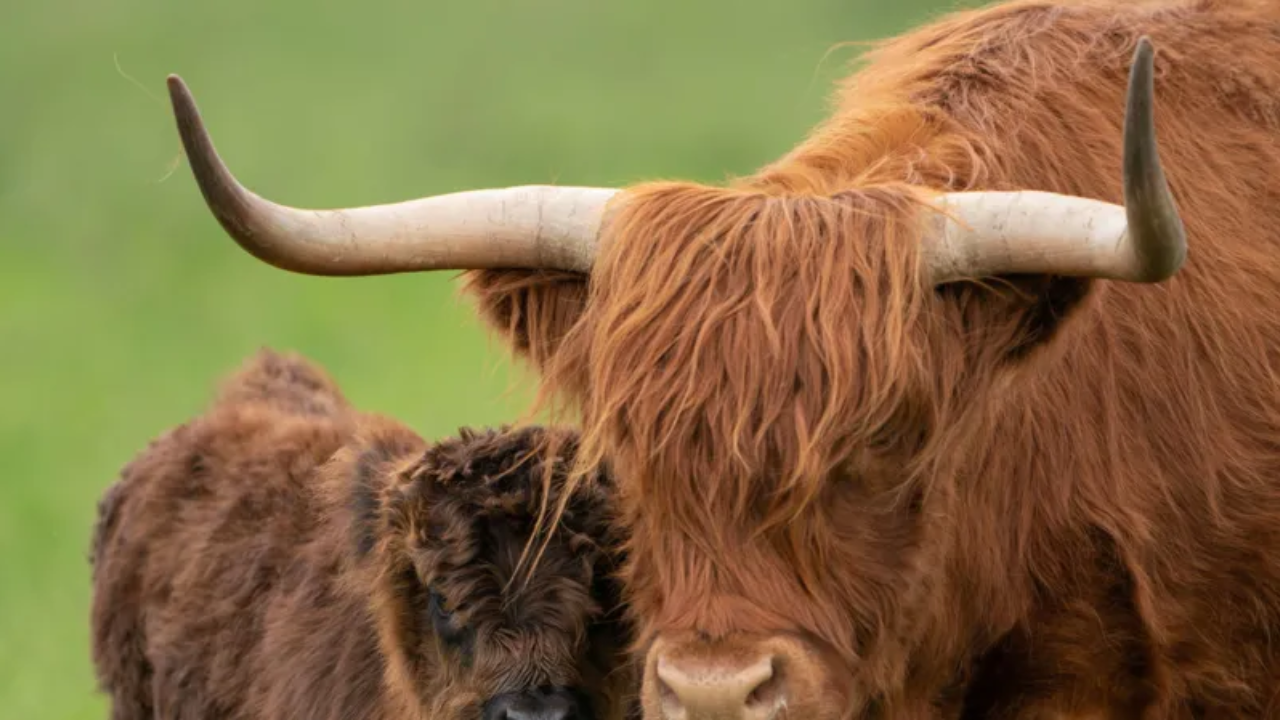
Highland cattle possess a unique set of phenotypic traits—long horns and a thick, wavy double coat—that optimize them for cold, wet climates. These same traits satisfy the visual requirements of "scenic" social media content. This creates a market failure where the farmer provides the "content" (the cattle) and maintains the "infrastructure" (the land), while third-party tourists and influencers capture 100% of the social and financial capital generated by the imagery.
The cost function of this unmonetized tourism for the farmer includes three primary variables:
- Operational Disruption: Unauthorized entry into grazing areas interrupts feeding schedules and increases the metabolic stress of the herd.
- Liability and Risk: Highland cattle are protective. Physical proximity by untrained civilians increases the probability of bovine-human conflict, leading to potential litigation and animal welfare investigations.
- Infrastructure Degradation: The "influencer effect" concentrates foot traffic in specific, non-reinforced areas, leading to soil compaction, gate damage, and the destruction of dry-stone walls.
The Selective Breeding Intervention
Traditional livestock breeding focuses on weight gain, calving ease, and temperament. The shift toward breeding "less photogenic" cows introduces a new selection pressure: Visual Utility Reduction. This is a deliberate attempt to alter the phenotype to reduce "Instagrammability" while maintaining the biological resilience of the breed.
Phenotypic Targets for Devaluation
To successfully deter unsolicited digital capture, the breeding program must target specific visual markers that the current algorithm-driven tourism market favors:
- Coat Texture and Length: The iconic "shaggy" look is the primary draw. Selecting for shorter, coarser hair reduces the visual "softness" that appeals to lifestyle photographers.
- Horn Geometry: Massive, symmetrical horns are a hallmark of the breed's "regal" aesthetic. Selecting for asymmetrical or downward-sloping horns disrupts the visual balance required for high-engagement social media posts.
- Color Uniformity: Deep reds and gingers are the most sought-after colors for high-contrast landscape photography. Diversifying the herd toward duller, mottled, or unconventional color patterns reduces the "pop" required for digital thumbnails.
The Biological Defense Against Digital Extraction
This strategy is a form of biological encryption. Just as digital platforms use watermarks to prevent unauthorized use, the farmer is "watermarking" the herd with undesirable traits to prevent the extraction of aesthetic value. This is not a rejection of the breed’s history, but a radical protection of its future. If the animal no longer fits the "fairytale" narrative of the Scottish Highlands, the incentive for a tourist to stop their vehicle, cross a fence, and disturb the herd vanishes.
The risk in this approach lies in the potential loss of breed purity and the long-term impact on the sale price of pedigree stock. However, when the daily operational losses caused by tourism exceed the projected decrease in pedigree value, the pivot becomes a mathematical necessity.
The Attention Economy as an Invasive Species
We must categorize social media-driven tourism not as a harmless hobby, but as an invasive economic force. In the traditional agricultural model, the fence is a hard boundary defining property rights. In the digital model, the fence is transparent. The camera "harvests" the value of the cow without ever touching it.
The farmer’s move to breed "uglier" cows is a structural response to a lack of legal recourse. Current "Right to Roam" laws in Scotland (Land Reform (Scotland) Act 2003) allow for public access but are often misinterpreted by tourists as a right to interfere with livestock. Since the farmer cannot legally block the person, they must instead "hide" the product in plain sight.
The Feedback Loop of Visual Commodification
- Discovery: A specific location or animal is tagged on a high-traffic social platform.
- Saturation: The algorithm prioritizes similar visual content, driving more traffic to that specific GPS coordinate.
- Depreciation: The physical asset (the cow/land) begins to suffer under the weight of the traffic.
- Modification: The producer modifies the asset to break the loop.
Scaling the Strategy of Aesthetic Resistance
While this specific case focuses on Highland cattle, the framework of Aesthetic Devaluation is applicable across various sectors where "visual noise" interferes with core operations.
- Architecture: High-end residential designs are increasingly incorporating "anti-paparazzi" features, such as matte surfaces that reflect light poorly or landscaping that obscures the "hero shot" while maintaining the view for the occupant.
- Public Spaces: Cities are utilizing "hostile architecture" not just to manage behavior, but to prevent certain areas from becoming "viral" and subsequently overcrowded.
The farmer’s strategy is the biological equivalent of these urban interventions. It is a cynical but necessary optimization of a physical asset in a world that prioritizes the digital derivative over the physical reality.
Strategic Recommendation for Agricultural Asset Management
The pursuit of "ugly" cattle is a short-term tactical fix for a long-term systemic problem. For producers facing similar pressures, the implementation of a Multi-Tiered Asset Protection Strategy is required:
- Phenotypic Diversification: Immediately introduce genetic lines that deviate from the "classic" look. This reduces the concentration of high-value visual assets within the herd.
- Acoustic and Olfactory Deterrence: Enhance the "farm" environment to be less palatable to the casual tourist. This includes strategic placement of manure piles or the use of noisier machinery during peak tourist hours.
- Digital Obfuscation: Request the removal of "hidden gem" tags on mapping platforms and social media.
The ultimate goal is to return the Highland cow to its status as a functional tool of Scottish agriculture. If the animal is too "boring" to film, the farmer wins. The future of rural business survival may well depend on the ability to remain unremarkable to the digital eye.