United Airlines isn't "struggling" with fuel prices. They are weaponizing them.
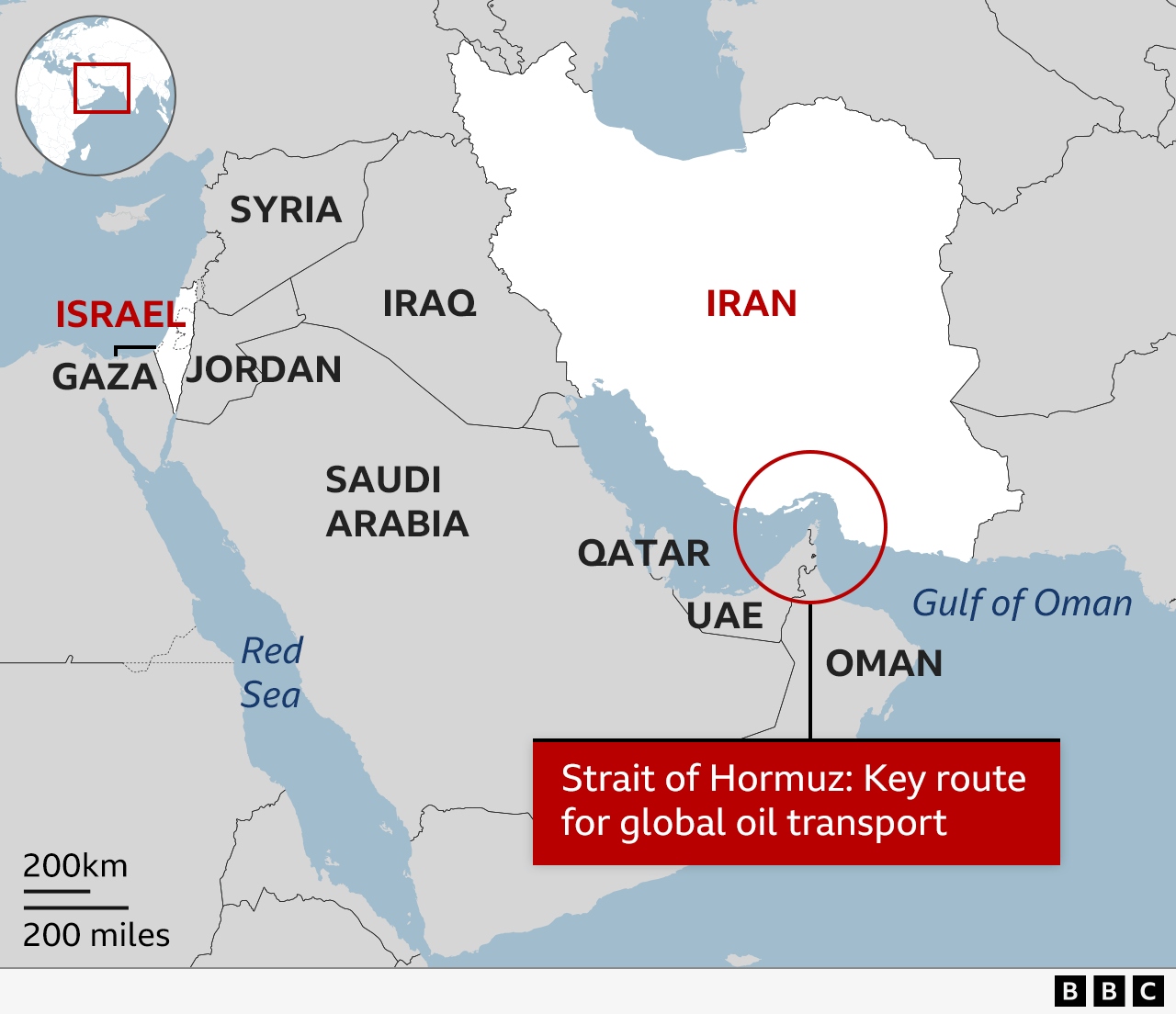
The mainstream press loves a simple narrative: Oil prices go up, airlines panic, and your summer vacation gets 20% more expensive because of geopolitical tension in the Middle East. It’s a clean story. It’s also fundamentally wrong. If you believe United is a victim of the Brent Crude spike, you don’t understand how the aviation industry actually functions.
When a carrier like United signals a massive fare hike tied to fuel, they aren't just covering costs. They are performing a coordinated margin expansion under the cover of "geopolitical necessity." They aren’t asking you to pay for the gas; they are asking you to pay for their next share buyback program while blaming a war.
The Fuel Surcharge Smoke Screen
Most casual observers think airlines buy fuel like you buy gas at the pump. They imagine Scott Kirby sitting in Chicago, watching a ticker, and sweating as oil hits $100 a barrel.
Wrong.
Modern airlines are essentially massive fuel-hedging funds that happen to own aluminum tubes. United, Delta, and American have spent decades refining the art of the crack spread—the pricing difference between a barrel of crude and the refined jet fuel that actually goes into the wing.
When fuel prices rise, the "Big Three" don't suffer; the low-cost carriers (LCCs) suffer. Spirit, Frontier, and JetBlue operate on razor-thin margins. They don't have the sophisticated hedging desks or the cash reserves to weather a sustained surge. By raising fares 20%, United isn't just surviving. They are clearing the field. They are using high oil prices as a biological weapon to kill off the budget competition that has been eating their lunch on domestic routes.
If United raises prices and the market follows, they aren't losing customers. They are consolidating power. They know that the high-yield business traveler—the person paying $1,200 for a last-minute seat to London—isn't going to cancel their trip because of a $150 fuel surcharge.
The False Correlation of Oil and Tickets
If you look at the historical data, the link between jet fuel and ticket prices is surprisingly weak. In 2014, when oil prices collapsed from over $100 to under $50, did your airfare drop by 50%? Of course not.
Airlines have decoupled their pricing from their input costs. They use algorithmic "dynamic pricing" that measures one thing: demand elasticity. If they can get away with a 20% hike, they will do it regardless of whether oil is at $60 or $120. The "Iran war" is simply the PR department’s way of making the price gouging palatable. It turns a corporate cash grab into an inevitable consequence of global instability.
It is the ultimate "get out of jail free" card for the C-suite.
Why the "Struggle" is a Narrative Choice
United reported billions in profit recently. They have mastered the art of ancillary revenue—charging you for bags, seats, and the privilege of boarding five minutes early. Fuel is a significant line item, yes, but it is a predictable one.
The real threat to United isn't a surge in fuel; it's a surge in capacity. When there are too many seats in the sky, prices drop. By screaming about fuel prices and threatening 20% hikes, United is signaling to the rest of the industry to keep capacity low. It’s a "soft" form of price signaling. They are telling their competitors: "If we all raise prices and blame the war, we all make more money."
The Death of the Budget Traveler is a Feature, Not a Bug
We need to stop asking "Will fares go up?" and start asking "Who is being priced out?"
The industry is pivoting toward premium leisure. United is betting that the bottom 30% of the market—the people who hunt for $99 fares—are no longer worth the hassle. By hiking fares, they are effectively "firing" the low-value customer. This reduces the strain on their overstretched ground crews and allows them to focus on the high-margin travelers who buy Polaris seats.
High oil prices provide the perfect excuse to execute this pivot without looking like the "elitist" airline. They get to play the victim while moving the velvet rope further back.
The Hedging Trap
I have watched airlines blow hundreds of millions on bad hedges. In 2008, several carriers locked in high prices just before the market crashed, leading to catastrophic losses. But United has learned. They don't hedge to save money anymore; they hedge to ensure certainty.
When United says fares "may" rise 20%, they already know exactly what their fuel bill will be for the next six months. They’ve already locked in the contracts. The price hike isn't a reaction to a future cost; it's the realization of a profit target they set in a boardroom months ago.
Imagine a scenario where oil prices actually drop tomorrow. Do you think United will issue a press release saying, "Good news! The war risk subsided, so we’re cutting fares by 20%?"
You know the answer.
The prices stay high because the consumer has been conditioned to accept the "new normal." This is how inflation becomes sticky. It’s not about the cost of the commodity; it's about the psychological limit of the buyer.
Stop Reading the Headlines, Start Reading the Load Factors
If you want to know if United is actually "struggling," don't look at the price of Brent Crude. Look at their load factors—the percentage of seats filled.
As long as planes are 85% full, United has zero incentive to lower prices, even if fuel was free. They are currently operating in a high-demand, low-supply environment. The shortage of Boeing and Airbus aircraft (due to well-documented manufacturing disasters) means United has a literal monopoly on certain routes.
A 20% fare hike isn't a survival tactic. It is a monopoly tax.
Your Move
If you are a traveler, stop waiting for "sales" that will never come. The era of cheap flight is being intentionally dismantled by the legacy carriers to repair their balance sheets.
If you are an investor, stop selling United because of oil headlines. They are the biggest beneficiary of high energy costs because it suffocates their smaller, unhedged rivals.
The "struggle" is a myth. The war is a distraction. The fare hike is a choice.
Stop being a victim of the narrative. United isn't afraid of the fuel surge; they’ve been waiting for it.